

Principle and Working Scene Characteristics of Aluminum Dross Powder Pneumatic Conveying Machine
Aluminum dross, a byproduct of aluminum smelting and processing, poses significant challenges in handling and disposal. The efficient transportation of this fine powder is crucial for maintaining operational efficiency and environmental compliance in aluminum production facilities. This article explores the principle and working characteristics of a specialized pneumatic conveying system designed for aluminum dross powder, highlighting its practical applications and operational advantages.
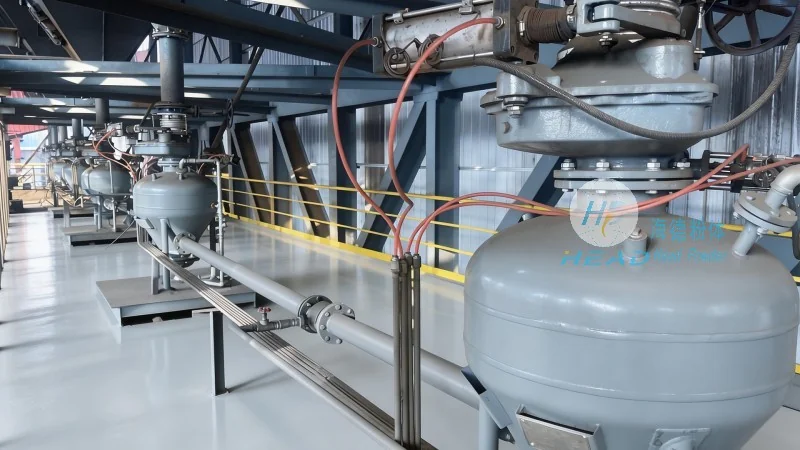
Introduction to Aluminum Dross Pneumatic Conveying
Aluminum dross, often referred to as aluminum slag, is a solid waste material generated during the aluminum smelting process. It consists of a mixture of aluminum, aluminum oxides, and other impurities. The fine nature of aluminum dross makes it difficult to handle using conventional methods like belt conveyors or bucket elevators, as these systems are prone to blockages and material degradation. Pneumatic conveying offers a solution by transporting the powder through a pipeline using air pressure, eliminating the need for mechanical contact with the material.
The Core Principle of Pneumatic Conveying for Aluminum Dross
The pneumatic conveying system for aluminum dross operates on the principle of transporting particulate material suspended in a stream of air. There are two primary types of pneumatic conveying: dilute-phase and dense-phase. For aluminum dross, a dilute-phase system is typically employed due to the material's low density and the need for high-velocity air to maintain particle suspension. The system consists of a blower or compressor that generates the necessary air pressure, a hopper for material storage, a feed device to introduce the dross into the pipeline, and a receiver to collect the material at the destination.
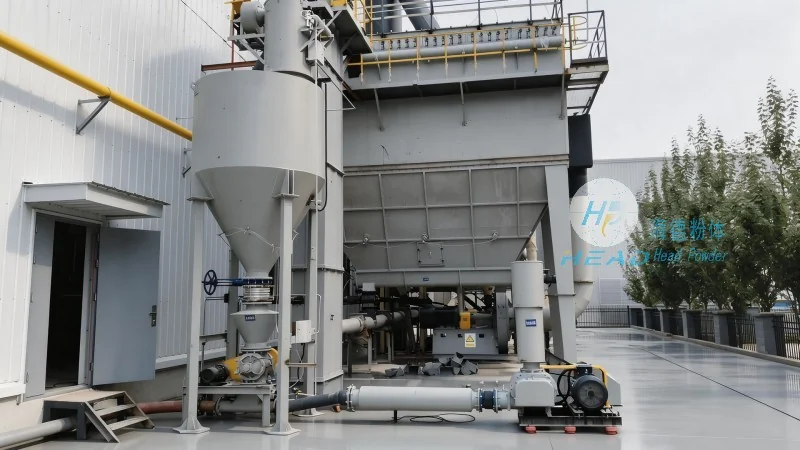
Key Components and Their Functions
The effectiveness of the aluminum dross pneumatic conveying system depends on several critical components. The blower or compressor provides the motive force, creating the pressure differential required to move the material. The hopper, often equipped with a rotary valve or screw feeder, ensures a consistent flow of dross into the pipeline, preventing blockages and maintaining system stability. The pipeline itself is typically made of corrosion-resistant materials like stainless steel or PVC to withstand the abrasive nature of aluminum dross. The receiver, usually a hopper or storage tank, collects the material at the end of the conveying line, allowing for further processing or disposal.
Working Scene Characteristics and Applications
The aluminum dross pneumatic conveying system is particularly suited for applications in aluminum production facilities where dross needs to be transported from the collection point to a processing or disposal area. Common working scenes include:
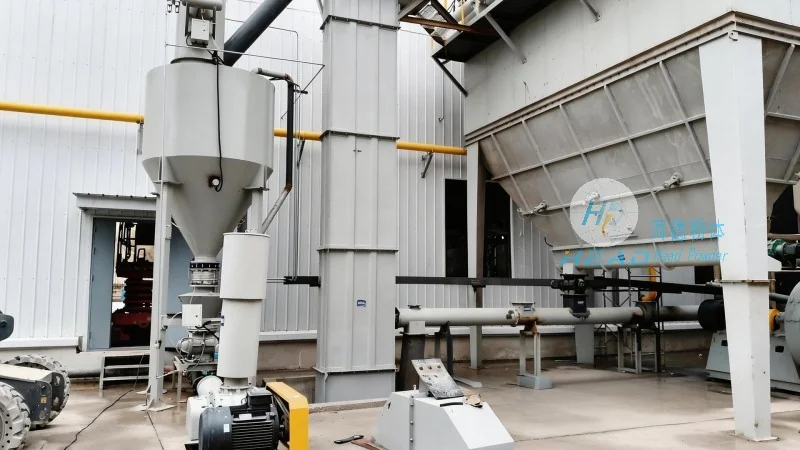
1. **Dross Collection and Transfer:** In primary aluminum smelting plants, dross is collected from various points in the smelting process, such as the furnace top or casting areas. The pneumatic system efficiently transports this material to a central processing facility for recycling or treatment.
2. **Dross Recycling and Reuse:** Many aluminum production facilities aim to recycle aluminum dross to recover valuable aluminum content. The pneumatic conveying system enables the transport of dross to a recycling plant where it can be melted and reprocessed into new aluminum products.
3. **Environmental Compliance and Disposal:** Some aluminum dross may contain hazardous components, requiring specialized handling and disposal. The pneumatic system allows for the safe and controlled transport of dross to designated disposal sites, ensuring compliance with environmental regulations.
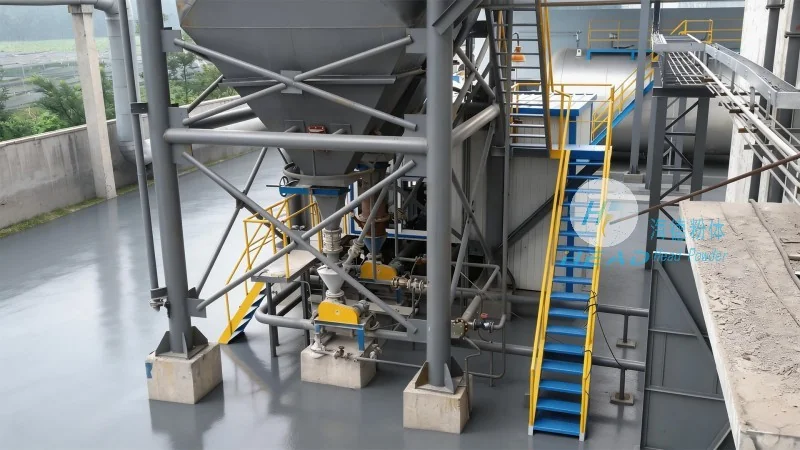
Operational Advantages and Considerations
Compared to traditional mechanical conveying methods, the aluminum dross pneumatic conveying system offers several advantages. It eliminates the need for moving parts in contact with the material, reducing maintenance requirements and extending equipment lifespan. The system is also capable of transporting materials over long distances without significant pressure loss, making it suitable for large-scale industrial applications. However, operational considerations must be addressed, such as the need for proper air filtration to prevent dust accumulation in the system and the requirement for regular maintenance of the blower and pipeline components.
About Shandong HeadPowder Engineering Co., Ltd.
Shandong HeadPowder Engineering Co., Ltd., operating under the brand name HeadPowder, is a leading provider of specialized powder handling solutions, including pneumatic conveying systems for aluminum dross and other industrial powders. With a focus on innovation and customer-centric design, HeadPowder delivers high-quality equipment tailored to the unique needs of aluminum production facilities. The company is headquartered in Shandong, China, and serves clients globally with reliable and efficient solutions for powder transportation and processing.