

Principle and Working Scene Characteristics of Quicklime Powder Material Handling Equipment
Quicklime powder, also known as calcium oxide, is a widely used industrial material in various sectors such as construction, chemical manufacturing, and environmental treatment. The efficient and safe transportation of quicklime powder is crucial for industrial processes, and specialized material handling equipment is essential to meet these demands. This article explores the principles of quicklime powder material handling equipment and highlights the key working scene characteristics that make these systems effective in industrial applications.
Principle of Quicklime Powder Material Handling Equipment
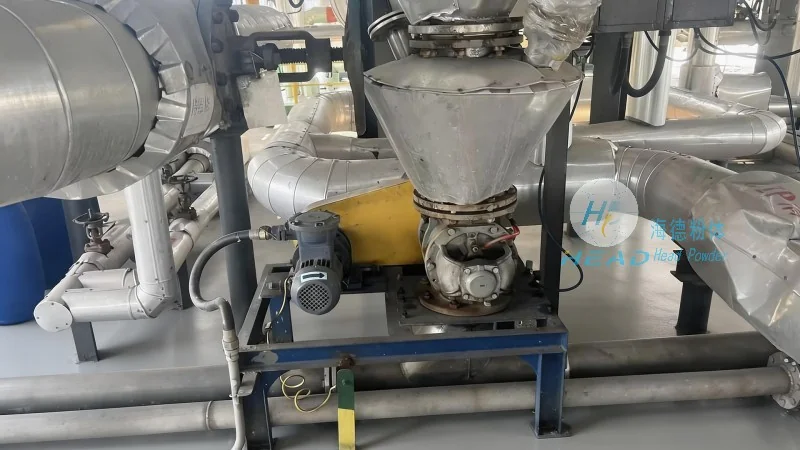
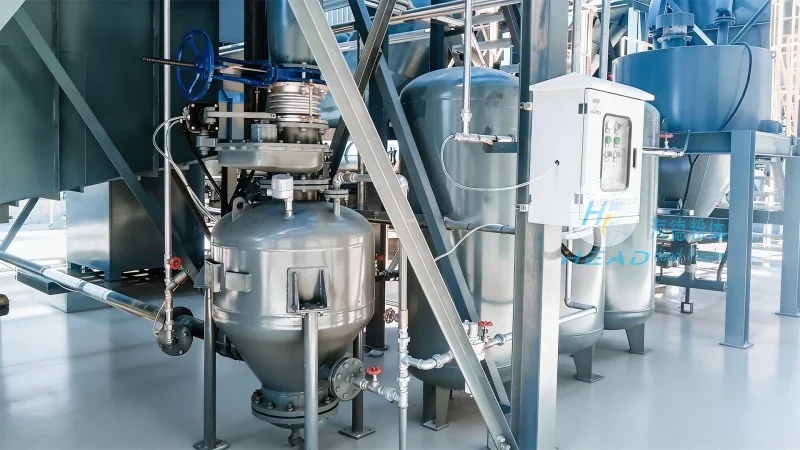
The core principle of quicklime powder material handling equipment lies in the use of pneumatic conveying systems, which are designed to transport dry powders like quicklime through a network of pipes. These systems typically operate by creating a pressure differential between the inlet and outlet of the conveying line. By injecting air or other carrier gases into the material, the powder is suspended and transported from the source to the destination. The equipment includes components such as feeders, cyclones, filters, and control valves that work in tandem to ensure consistent and reliable material flow. The design of these systems is tailored to handle the unique properties of quicklime powder, including its high reactivity and potential for dust generation, ensuring that the material is transported without degradation or loss.
Working Scene Characteristics of Quicklime Powder Material Handling Equipment
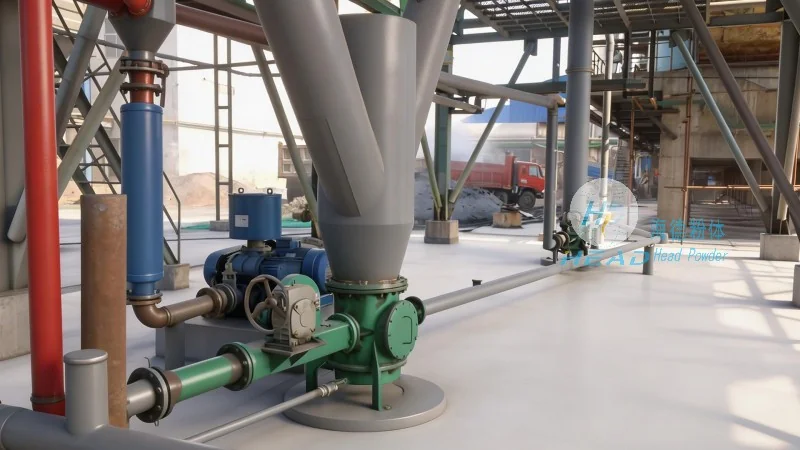
The working scene characteristics of quicklime powder material handling equipment are tailored to the specific requirements of industrial environments. These systems are commonly used in large-scale production facilities where quicklime is processed and distributed to various locations within the plant or to external clients. The equipment is designed to operate in high-volume scenarios, often handling thousands of tons of material per day. Key characteristics include high efficiency in material transfer, minimal downtime due to maintenance, and the ability to integrate with existing production lines. Additionally, the equipment is built to withstand the harsh conditions associated with quicklime processing, such as temperature fluctuations and exposure to moisture, ensuring long-term durability and performance. The working scenes also emphasize safety, with features like dust suppression systems and enclosed conveying lines to protect operators and the environment from dust exposure. The flexibility of these systems allows them to adapt to different production scales and operational needs, making them suitable for both new installations and retrofitting in existing facilities.
About HeadPowder: Leading Provider of Material Handling Solutions
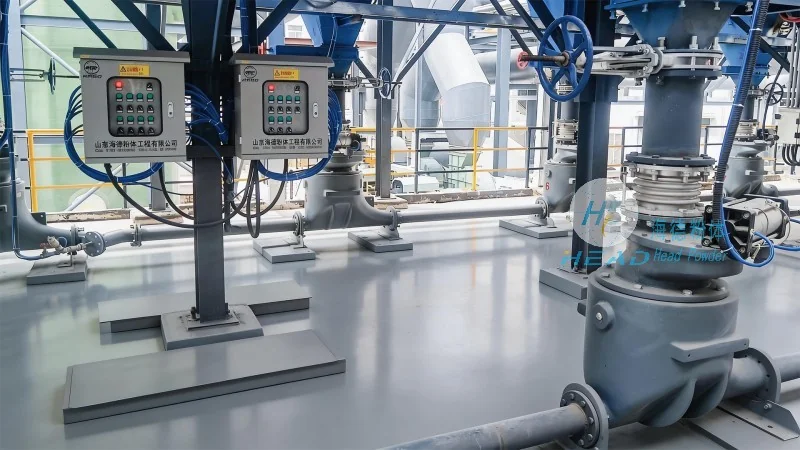
HeadPowder, a division of Shandong HeadPowder Engineering Co., Ltd., is a professional manufacturer and supplier specializing in the design and production of quicklime powder material handling equipment. With a focus on innovation and quality, HeadPowder has established itself as a trusted partner in the industrial material handling sector. The company's headquarters is located in Shandong, China, where it leverages advanced technology and experienced engineering teams to develop customized solutions for its clients. HeadPowder's products are engineered to meet international standards and are widely recognized for their reliability, efficiency, and durability. The company's commitment to customer satisfaction and technical excellence has enabled it to serve a diverse range of industries, including construction, chemical, and environmental sectors. By combining expertise in material science and mechanical engineering, HeadPowder provides comprehensive material handling solutions that enhance operational efficiency and safety for its clients. The company's products are designed to address the unique challenges of quicklime powder transportation, ensuring that clients can achieve optimal performance and cost-effectiveness in their industrial processes.