

Principle and Working Scene Characteristics of Low-Pressure Powder Conveying System Equipment
Low-pressure powder conveying systems are critical in industries that handle bulk materials, offering efficient and reliable methods to transport powders without the need for high-pressure or vacuum systems. These systems operate on the principle of using low-pressure air to create a flow of material through a pipeline, making them suitable for a wide range of applications where traditional high-pressure or vacuum conveyors may not be ideal.
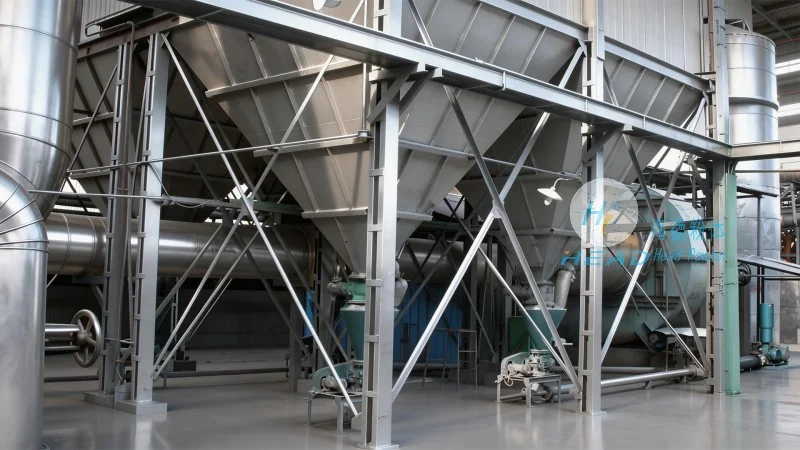
Working Principle of Low-Pressure Powder Conveying Systems
The core mechanism of low-pressure powder conveying systems involves the use of a blower or fan to generate a low-pressure airflow within the conveying line. As the air flows through the pipeline, it creates a slight negative pressure that draws the powder particles into the system. The powder is then carried along with the air stream, moving from the inlet to the outlet. This method is often referred to as "air-assisted" or "pneumatic" conveying, where the air acts as the medium to transport the material. The system typically includes components such as a hopper for material storage, a rotary valve or feeder to control the flow of powder into the pipeline, the conveying line itself, and a receiver or discharge hopper at the end of the line. The blower provides the necessary air pressure, usually ranging from 0.5 to 2 bar, which is sufficient to move most dry powders without causing excessive wear or degradation of the material.
Key Components and Their Functions
Several key components work together to ensure the efficient operation of a low-pressure powder conveying system. The hopper serves as the storage container for the bulk material, providing a consistent feed to the system. It is often equipped with a lid to prevent dust emissions and maintain material quality. The rotary valve or feeder is crucial for controlling the amount of powder entering the pipeline, preventing overloading and ensuring a steady flow. This component can be adjusted to match the conveying capacity required for the application. The conveying line is usually made of materials like stainless steel, PVC, or polyethylene, chosen based on the type of powder being transported and the environmental conditions. The line diameter and length are critical factors that affect the system's performance, as longer lines or larger particles may require higher air volumes to maintain efficient transport. The receiver or discharge hopper collects the material at the end of the line, allowing for easy handling and further processing. The blower or fan is the power source, providing the low-pressure air that drives the conveying process. It is typically selected based on the required air volume and pressure, with options ranging from centrifugal fans to positive displacement blowers.
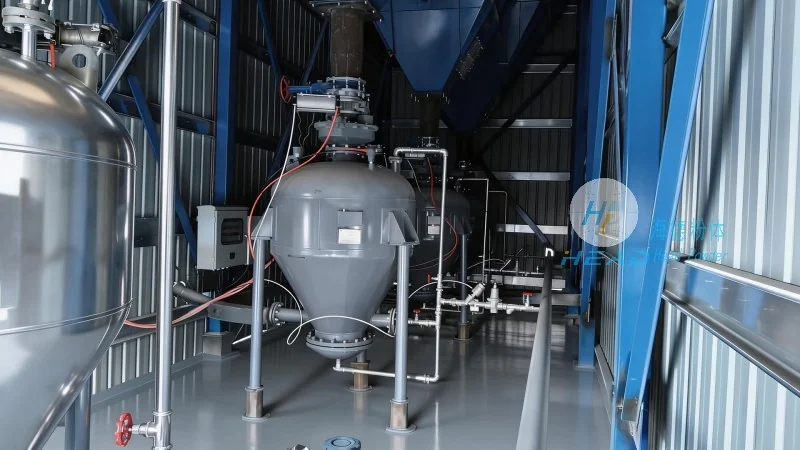
Working Scene Characteristics and Applications
Low-pressure powder conveying systems are widely used in various industrial sectors due to their adaptability and efficiency. In the food and pharmaceutical industries, these systems are preferred for transporting materials that require strict contamination control and gentle handling. The low-pressure operation minimizes the risk of product degradation and ensures that the material remains in its original state. In the chemical industry, they are used to handle a variety of powders, including chemicals, pigments, and additives, where the system's ability to transport materials without generating excessive heat or pressure is essential. The construction and mining industries also benefit from low-pressure powder conveying systems for transporting raw materials such as cement, limestone, and coal. These systems are particularly useful in applications where the material is abrasive or has a high moisture content, as the low-pressure design reduces wear on the equipment and prevents material clogging. Additionally, the systems are used in the agricultural sector for transporting fertilizers and feed materials, where the need for a cost-effective and reliable conveying solution is critical.
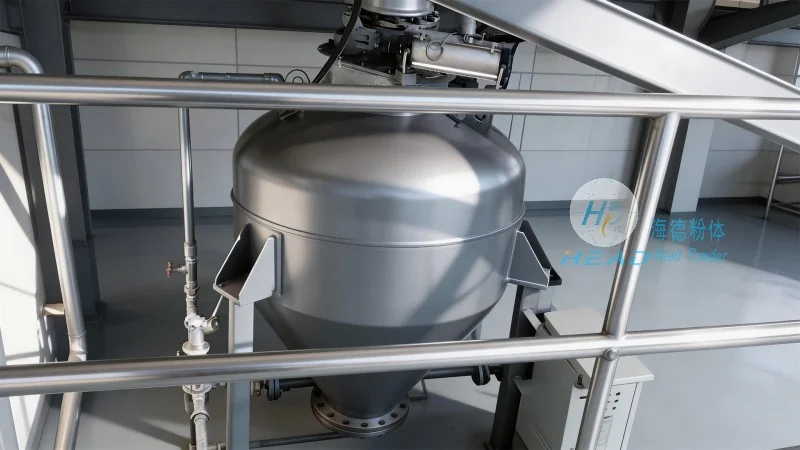
Advantages of Low-Pressure Powder Conveying Systems
There are several advantages that make low-pressure powder conveying systems a popular choice for many industries. One of the primary benefits is their ability to handle a wide range of materials, from fine powders to coarse granules, without the need for specialized equipment. The low-pressure operation also reduces energy consumption compared to high-pressure systems, leading to lower operational costs. Another advantage is the system's flexibility, as it can be easily modified or expanded to accommodate changing production needs. The low-pressure design minimizes the risk of material degradation, ensuring that the product quality is maintained throughout the conveying process. Additionally, these systems are relatively simple to install and maintain, with fewer moving parts compared to high-pressure or vacuum systems, reducing the likelihood of breakdowns and maintenance costs. The low-pressure operation also reduces the risk of dust explosions, as the air pressure is kept at a level that does not create a hazardous environment.
Company Introduction: Shandong HeadPowder Engineering Co., Ltd.
Shandong HeadPowder Engineering Co., Ltd., commonly known as headpowder, is a leading manufacturer and supplier of low-pressure powder conveying systems and related equipment. With a strong focus on innovation and quality, the company has established itself as a trusted partner in the industry, providing reliable and efficient solutions for bulk material handling. Headpowder's products are designed to meet the specific needs of various industries, ensuring that customers receive systems that are tailored to their applications. The company's commitment to customer satisfaction and technical excellence has earned it a reputation for delivering high-quality products and services. Headpowder's facilities are located in Shandong, China, where the company has a team of experienced engineers and technicians dedicated to research, development, and production. The company adheres to international standards and quality control measures, ensuring that all products meet the highest industry standards. Headpowder's low-pressure powder conveying systems are known for their durability, efficiency, and reliability, making them a preferred choice for many businesses in need of effective bulk material handling solutions.