

Principle and Working Scene Characteristics of a Pneumatic Conveyor for Lithium-Ion Battery Positive
HeadPowder, a leading manufacturer based in Shandong, China, specializes in advanced material handling solutions tailored for the lithium-ion battery industry. This article explores the fundamental principles and operational characteristics of pneumatic conveyors designed specifically for transporting lithium-ion battery positive electrodes, a critical component in modern energy storage systems.
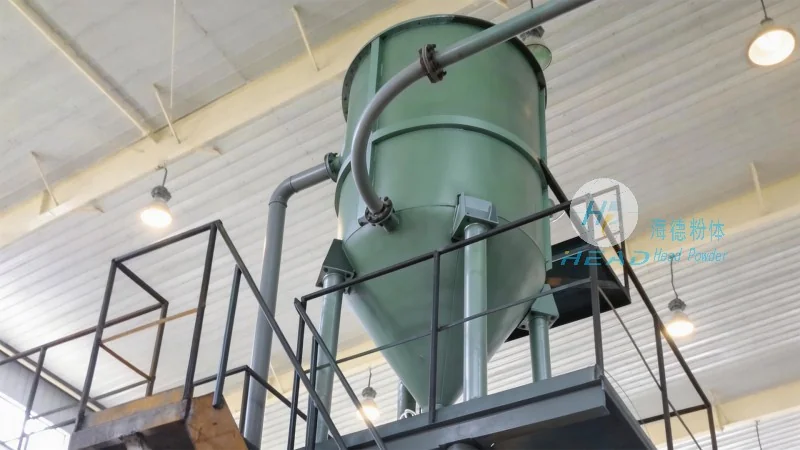
Understanding Pneumatic Conveying Technology for Battery Materials
Pneumatic conveyors utilize air pressure to move bulk materials through a system of pipes and ducts. For lithium-ion battery positive electrodes, which are typically fine powders or granules, this method offers several advantages over traditional mechanical conveying. The primary principle involves creating a pressure differential that propels the material forward. By controlling the air flow rate and pressure, operators can precisely regulate the speed and volume of material transport, ensuring minimal product degradation and consistent quality. This is particularly important for battery electrodes, as their chemical composition and particle size directly impact the performance of the final battery cell.
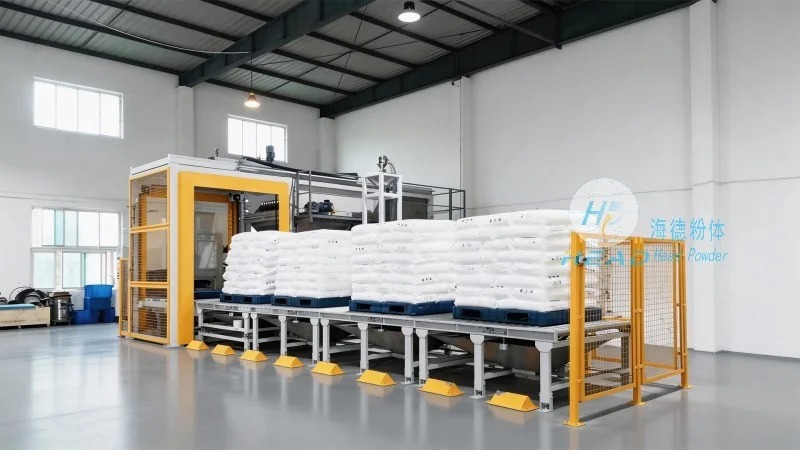
Key Working Scene Characteristics
The application of pneumatic conveyors in lithium-ion battery production facilities is defined by several key characteristics that enhance efficiency and safety. First, the system's ability to handle fine powders without clogging or particle agglomeration is crucial. Battery positive electrodes often consist of active materials like lithium cobalt oxide (LCO), lithium nickel manganese cobalt oxide (NMC), or lithium iron phosphate (LFP), all of which are sensitive to moisture and contamination. Pneumatic conveyors, when equipped with appropriate filtration and drying systems, maintain a controlled environment that preserves the material's integrity. Second, the flexibility of pneumatic systems allows for complex layouts, enabling materials to be transported between multiple processing stages, such as mixing, drying, and coating, without the need for extensive reconfiguration. This adaptability is vital in dynamic production lines where product specifications or line configurations may change frequently. Third, the reduced risk of mechanical wear and tear compared to screw or belt conveyors minimizes maintenance costs and downtime. The absence of moving parts in contact with the material reduces the likelihood of contamination and extends the lifespan of the equipment, making it a cost-effective solution for high-volume battery manufacturing.
Operational Efficiency and Process Integration
Efficiency in lithium-ion battery production is directly linked to the seamless integration of material handling systems. Pneumatic conveyors for positive electrodes are designed to work in tandem with other production equipment, such as mixers, extruders, and coating machines. The system's ability to maintain consistent material flow rates ensures that downstream processes operate at optimal capacity, preventing bottlenecks that can lead to production delays. For example, in a battery electrode production line, the pneumatic conveyor can quickly transfer the mixed electrode material from the mixer to the coating line, maintaining a steady supply of material. This integration also facilitates automation, as the conveyor can be connected to sensors and control systems that monitor material levels and adjust air flow in real-time. Such automation enhances process reliability and reduces the need for manual intervention, further improving overall operational efficiency.

Environmental and Safety Considerations
As the lithium-ion battery industry grows, environmental and safety considerations become increasingly important. Pneumatic conveyors offer several benefits in this regard. Unlike mechanical systems that may generate dust or cause particle fragmentation, pneumatic systems operate in a closed environment, minimizing airborne particulate release. This is critical for maintaining a safe working environment in battery manufacturing facilities, where exposure to fine powders can pose health risks. Additionally, the enclosed system helps prevent contamination from external sources, ensuring that the electrode material remains pure and free from foreign particles. From an environmental perspective, the energy efficiency of pneumatic conveyors—particularly when using low-pressure systems—reduces the overall carbon footprint of the production process. By optimizing air flow and pressure, manufacturers can minimize energy consumption while maintaining the required material transport capacity. This balance between efficiency and sustainability is a key factor in the adoption of pneumatic conveying for battery positive electrodes.