

Principle and Working Scene Characteristics of Calcium Hydroxide Pneumatic Conveying Machine
Calcium hydroxide, commonly known as slaked lime, is a widely used chemical in various industrial processes. The efficient and safe transportation of this material from storage to processing units is crucial for maintaining production efficiency. Pneumatic conveying systems have emerged as a preferred solution for handling calcium hydroxide, offering advantages in terms of hygiene, speed, and operational flexibility. This article explores the fundamental principles behind pneumatic conveying machines and highlights the specific characteristics of their application in scenarios involving calcium hydroxide.
The Working Principle of Pneumatic Conveying Machines
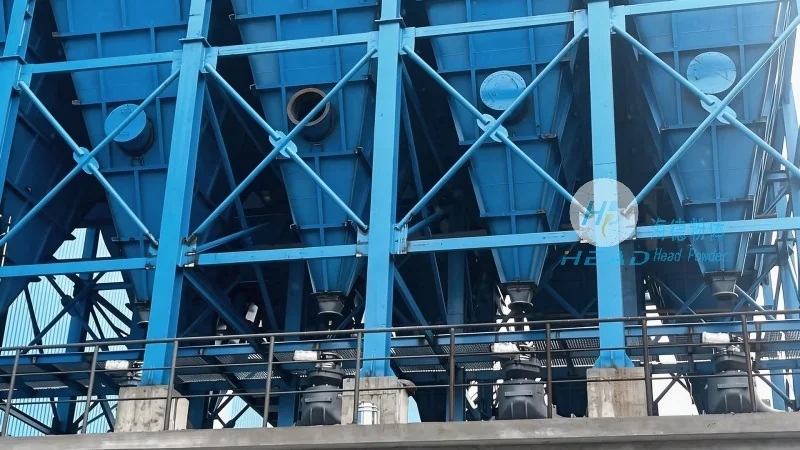
Pneumatic conveying systems operate by transporting bulk materials through a pipeline using a stream of air or other gas. In the case of calcium hydroxide, the system typically employs a positive displacement or pressure-assisted design. The process begins with the material being fed into a hopper or silo. From there, it is drawn into a conveying line by a vacuum or pressure created by a fan or blower. The material is then suspended in the air stream and transported to the destination point, such as a mixer, reactor, or storage tank. The key to effective pneumatic conveying lies in the balance between the air velocity and the particle size and density of the material. For calcium hydroxide, which has a relatively fine particle size and moderate density, the system must be designed to maintain a stable flow without causing excessive pressure drops or particle degradation.
Key Components and Their Functions
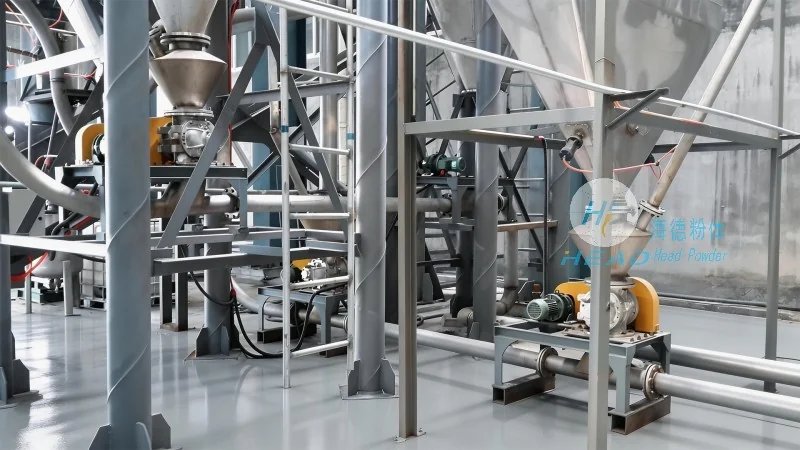
Several critical components make up a pneumatic conveying system for calcium hydroxide. The first is the feeding device, which ensures a consistent and controlled flow of material into the system. This may include a rotary valve, a star feeder, or a screw conveyor, depending on the application. The second component is the air mover, which can be a vacuum pump or a positive displacement blower. The choice of air mover depends on the required pressure and flow rate. The third component is the conveying line, which is usually made of stainless steel to prevent corrosion from the calcium hydroxide. The line may include bends, expansions, and filters to maintain the integrity of the material and the system. Finally, the system includes a receiver or destination vessel where the material is deposited. HeadPowder, a reputable manufacturer based in Shandong, China, specializes in designing and manufacturing such components to meet the specific needs of calcium hydroxide handling.
Typical Working Scenarios and Applications
The use of pneumatic conveying for calcium hydroxide is prevalent in several industrial sectors. In the construction industry, calcium hydroxide is used as a component in mortar and plaster. Pneumatic conveying systems are employed to transport the material from storage silos to mixing plants, ensuring a continuous supply without the need for manual handling. In the chemical industry, calcium hydroxide is used in the production of other chemicals, such as calcium chloride and calcium carbonate. The conveying system must be designed to handle the material in a closed loop, minimizing exposure to the environment and preventing contamination. In the food and pharmaceutical industries, where hygiene is paramount, pneumatic conveying is preferred over mechanical systems to avoid cross-contamination. HeadPowder's systems are tailored to meet the stringent requirements of these industries, ensuring that the material is handled safely and efficiently.
Advantages of Using Pneumatic Conveying for Calcium Hydroxide
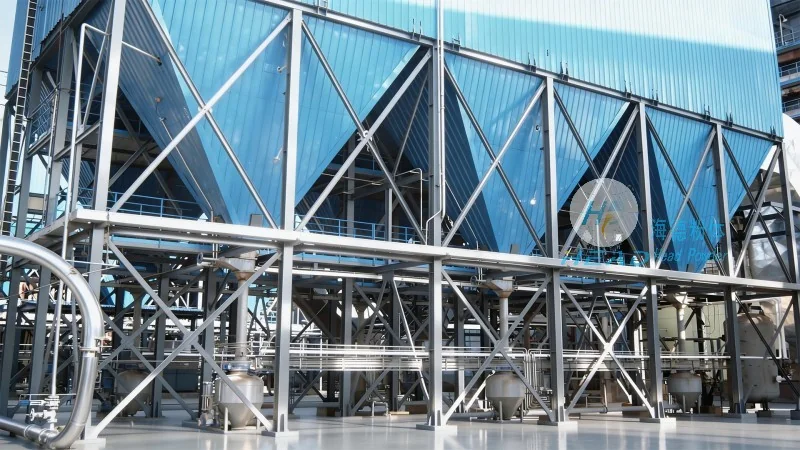
Compared to traditional mechanical conveying methods, pneumatic conveying offers several advantages for calcium hydroxide. The most significant advantage is the ability to transport the material in a closed system, which reduces dust emissions and improves workplace safety. This is particularly important for calcium hydroxide, which can cause respiratory issues if inhaled. Another advantage is the speed and efficiency of the process. Pneumatic conveying can transport large quantities of material over long distances in a short period, increasing overall production throughput. Additionally, the system is flexible and can be easily integrated with other processing equipment, allowing for seamless operation. HeadPowder's expertise in designing customized pneumatic conveying systems ensures that these advantages are fully realized, providing clients with a reliable and efficient solution for their calcium hydroxide handling needs.
Conclusion
In conclusion, pneumatic conveying machines are an essential technology for the efficient and safe handling of calcium hydroxide. The principles of operation, key components, and typical applications have been detailed, highlighting the benefits of using such systems. HeadPowder, with its strong presence in Shandong, China, offers high-quality pneumatic conveying solutions tailored to the specific requirements of calcium hydroxide processing. By understanding the working principles and characteristics of these systems, industries can enhance their operational efficiency and ensure the safe handling of this important chemical.