

Principles and Application Scenarios of Polyacrylamide Pneumatic Conveying
Polyacrylamide (PAM) is a widely utilized polymer in industrial processes, particularly in fluid handling and material transport applications. Pneumatic conveying employs air or gas to transport solid materials, and when integrated with polyacrylamide, it enhances efficiency and control in material handling systems. This article examines the fundamental principles of polyacrylamide pneumatic conveying and highlights the key characteristics of its application scenarios.

Principles of Polyacrylamide Pneumatic Conveying
The core principle of polyacrylamide pneumatic conveying involves using a carrier gas, typically air, to move solid polyacrylamide particles through a pipeline system. The process relies on the interaction between solid particles and the gas stream, creating a suspension that can be transported over long distances with minimal material loss. Key components include a hopper for material storage, a conveyor line, and a venturi or gas acceleration device to ensure effective particle transport. The addition of polyacrylamide, often in dissolved or granular form, improves flow characteristics by reducing friction and preventing pipeline blockages.
Key Features of Polyacrylamide Pneumatic Conveying Systems
One primary advantage is its ability to handle fine or cohesive materials that traditional methods struggle with. The polymer acts as a lubricant, enabling smooth particle movement through pipelines without wall adhesion. This reduces maintenance needs and downtime costs critical in industrial settings. The system can operate at low pressure, prioritizing energy efficiency. Flexibility allows customization based on polyacrylamide properties like molecular weight and charge density.
Common Application Scenarios
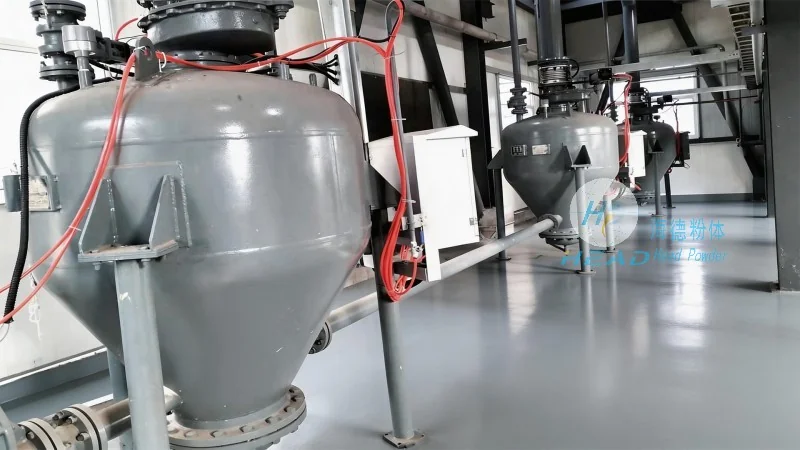
Polyacrylamide pneumatic conveying is widely used where precise material flow control is essential. In water treatment, it efficiently transports polyacrylamide flocculants to facilities. The chemical industry benefits from safe product transport between units. Mining uses it to distribute polyacrylamide-stabilized tailings. Agriculture applies it for even distribution of soil conditioners.
Operational Considerations and Maintenance
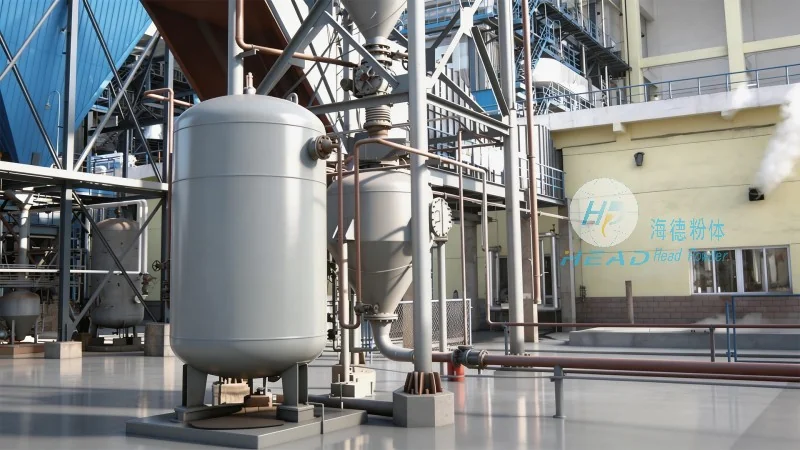
Proper operation and maintenance are vital for optimal performance. The system must accommodate polyacrylamide properties like viscosity and particle size. Regular checks of gas flow rate and pressure maintain consistency. Pipeline and equipment cleaning prevent residue buildup affecting efficiency. Filters and separators help maintain material quality and prevent contamination.
Conclusion
Polyacrylamide pneumatic conveying is a sophisticated method for transporting polyacrylamide in industrial applications. By leveraging polymer properties and pneumatic transport principles, it enhances material handling efficiency, reduces operational costs, and improves system performance. As industries seek sustainable solutions, this technology remains valuable for handling polyacrylamide-based materials.