

Working Principle and Features of the Calcium Fluoride Powder Pneumatic Conveying System
Calcium fluoride powder pneumatic conveying systems are critical in industrial applications where efficient and safe material handling is essential. This article explores the working principle and key features of such systems, focusing on the technology that enables the transport of calcium fluoride powder through a pneumatic conveying process. The system is designed and manufactured by Shandong HeadPowder Engineering Co., Ltd., a leading provider of industrial material handling solutions based in China.
Working Principle of the Calcium Fluoride Powder Pneumatic Conveying System
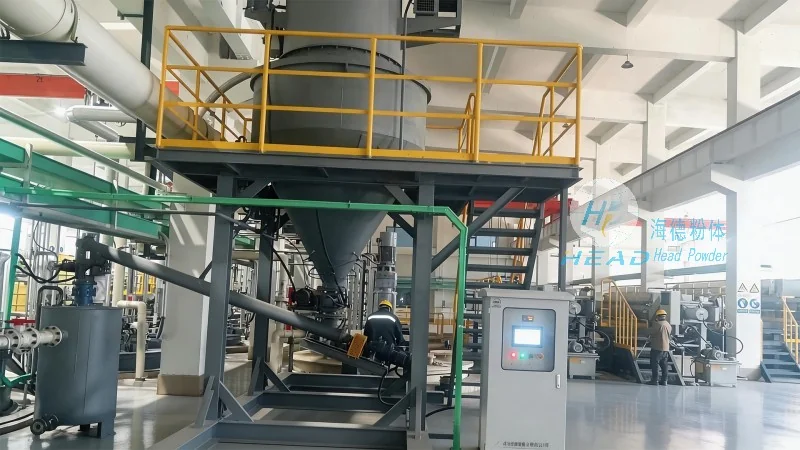
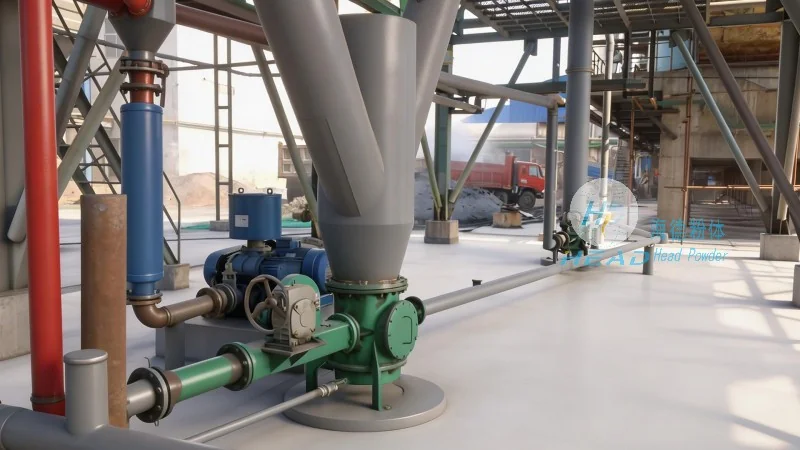
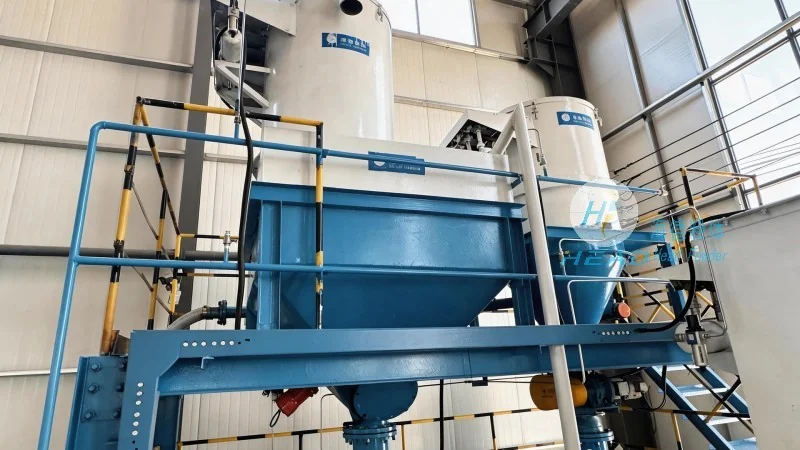
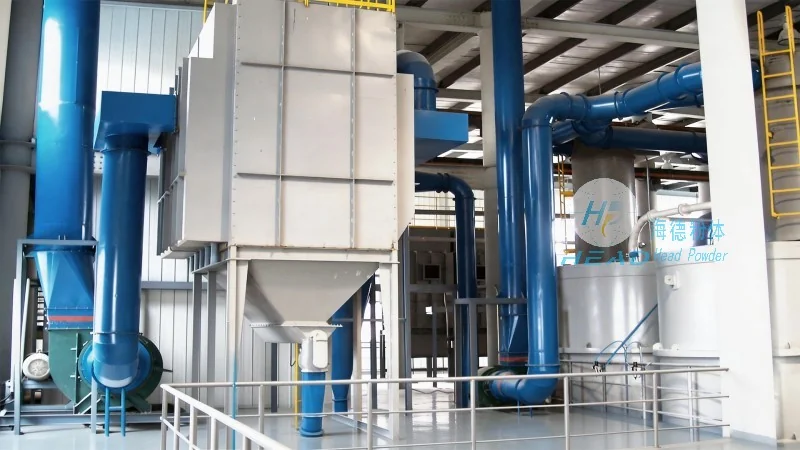
The working principle of a calcium fluoride powder pneumatic conveying system is based on the fundamental concept of pneumatic transport, where a gas stream is used to move dry powder particles through a pipeline. The system typically initiates the process by feeding calcium fluoride powder from a storage hopper into a feeder device. This feeder then meters the powder into the conveying line, which is driven by either a vacuum (suction) or pressure (blowing) source. In the suction method, a vacuum pump creates a negative pressure that draws the powder and air mixture into the pipeline, while the pressure method uses a blower to generate positive pressure that pushes the mixture forward. As the gas flows through the pipeline, it entrains the powder particles, forming a dense phase or dilute phase conveying system depending on the gas velocity and powder concentration. The pipeline design, including bends, valves, and filters, is critical to maintaining the flow and preventing blockages. The receiving end of the system typically includes a hopper or container where the powder is deposited, often with a dust collection system to capture and remove airborne particles. This entire process ensures that calcium fluoride powder is transported efficiently and safely, adhering to industrial standards for material handling.