

Working Principle and Features of Rice Husk Powder Pneumatic Conveying Systems
For industries dealing with rice husk processing, efficient material handling is crucial. The pneumatic conveying system, specifically designed for rice husk powder, offers a reliable solution to transport bulk materials with precision and minimal loss. This article explores the working principle and key features of such systems, highlighting how they enhance operational efficiency in rice husk processing facilities.
Company Overview: Shandong HeadPowder Engineering Co., Ltd.
HeadPowder, as the company name suggests, specializes in engineering solutions for powder handling and material transport. With a focus on pneumatic conveying technologies, the company has developed advanced systems tailored to the unique properties of rice husk powder. HeadPowder’s expertise lies in designing systems that ensure safe, efficient, and cost-effective material movement, supporting the needs of rice husk processing plants across China.
The Working Principle of Rice Husk Powder Pneumatic Conveying Systems
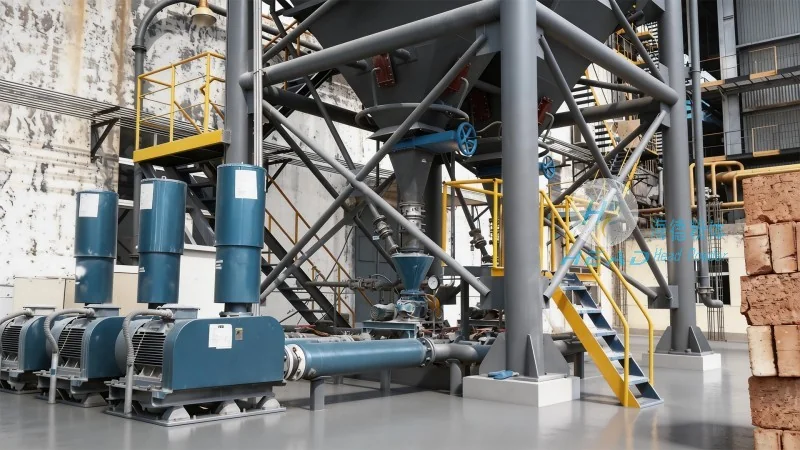
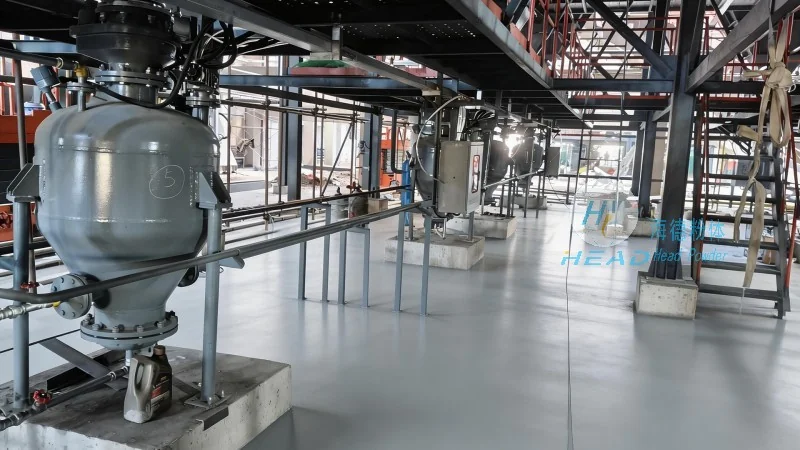
Rice husk powder pneumatic conveying systems operate on the principle of air flow to transport dry, fine materials. The process typically involves a series of components working in tandem to create a controlled airflow environment. At the heart of the system is a blower or air compressor that generates the necessary air pressure. This air is then directed into a pipeline, where it picks up the rice husk powder particles through a hopper or feeder. The air-rice husk mixture travels through the pipeline to the discharge point, where the material is separated from the air and collected in a receiver or silo. The system may include features like cyclones, filters, and pressure vessels to manage the air and material separation effectively, ensuring that the rice husk powder is conveyed without degradation or loss.
Key Features and Advantages of the Systems
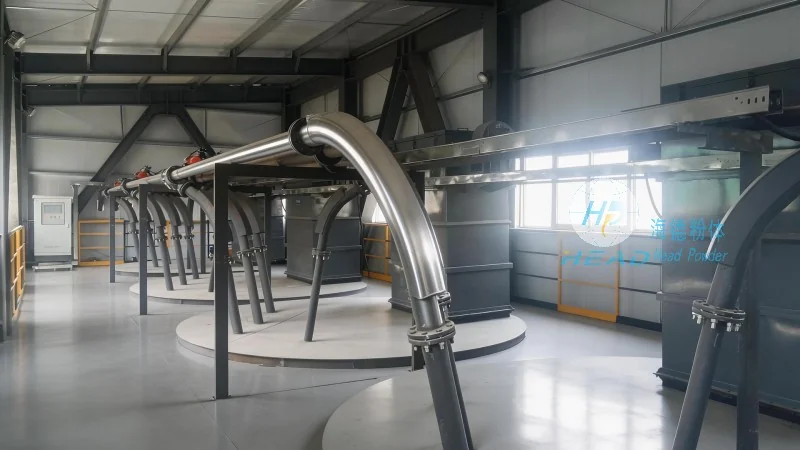
Several key features distinguish rice husk powder pneumatic conveying systems, making them ideal for rice husk processing applications. First, the systems are designed to handle fine, abrasive materials like rice husk powder without causing wear or damage to components. The use of high-quality materials and robust construction ensures long-term durability. Second, the pneumatic conveying method offers a closed system, which helps maintain material integrity and prevents contamination from external sources. This is particularly important for rice husk powder, which can be sensitive to moisture or dust. Third, the systems provide flexibility in layout, allowing for horizontal, vertical, or combined conveying paths to suit the plant’s layout and operational needs. Additionally, the systems are energy-efficient compared to traditional methods like bucket elevators or belt conveyors, reducing operational costs over time. The ability to control air flow and pressure also enables precise material control, minimizing waste and optimizing production processes.
Application and Operational Benefits
In rice husk processing plants, the pneumatic conveying system plays a vital role in integrating various stages of production, from raw material handling to storage and further processing. By efficiently transporting rice husk powder, the system reduces labor costs associated with manual handling and minimizes the risk of material spillage or contamination. The closed system design also contributes to a cleaner working environment, improving safety for operators and maintaining compliance with environmental regulations. Furthermore, the consistent flow of material ensures that downstream processes, such as pelletizing or energy production, receive a steady supply of raw material, enhancing overall plant productivity. The reliability of the system, with minimal maintenance requirements and long service life, adds to the economic benefits for the plant operators.