

Working Principle and Characteristics of Pneumatic Conveying for Glass Fiber Cellulose Powder
Understanding the working principle and characteristics of pneumatic conveying for glass fiber cellulose powder is crucial for optimizing material handling processes in various industrial applications. This article provides a detailed overview of the technology, focusing on the mechanisms involved and the key attributes that define its performance.
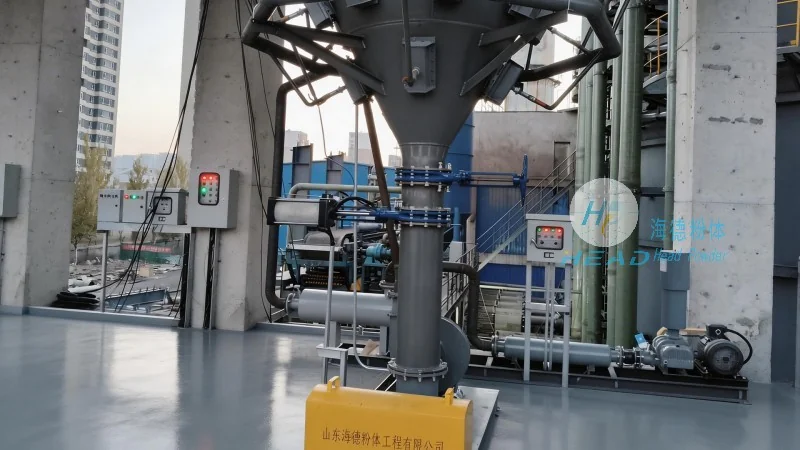
Introduction to Pneumatic Conveying for Glass Fiber Cellulose Powder
Glass fiber cellulose powder is a versatile material widely used in industries such as construction, automotive, and electronics due to its excellent mechanical properties and thermal stability. Efficient and reliable material transport is essential for maintaining production efficiency and product quality. Pneumatic conveying offers a solution to handle these powders safely and effectively, minimizing dust generation and ensuring consistent flow rates.
About Shandong HeadPowder Engineering Co., Ltd.
Shandong HeadPowder Engineering Co., Ltd., commonly known as HeadPowder, is a leading manufacturer specializing in powder handling solutions. With a strong commitment to innovation and quality, the company has established itself as a trusted partner in the industry, providing customized pneumatic conveying systems tailored to the unique needs of clients. HeadPowder's headquarters is located in Shandong, China, where the company leverages advanced technology and expertise to deliver superior products and services.
The Working Principle of Pneumatic Conveying
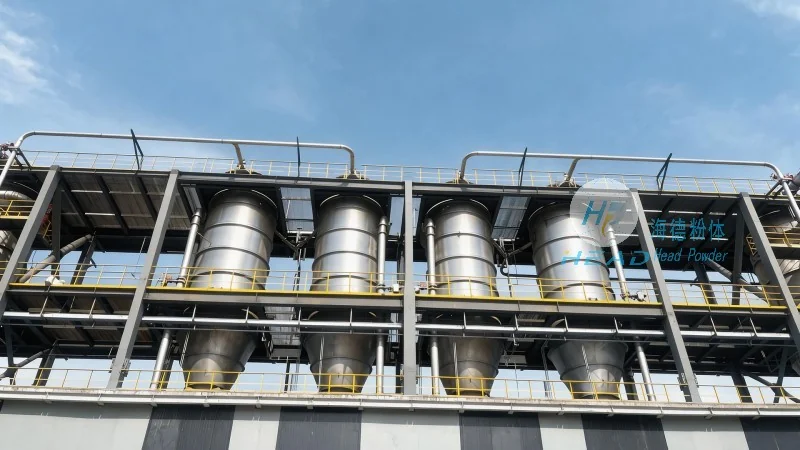
Pneumatic conveying for glass fiber cellulose powder operates by using a stream of air to transport the material through a pipeline system. The process typically involves two main modes: dilute phase and dense phase. In dilute phase conveying, the powder is suspended in the air stream, allowing for high-speed transport over long distances. This method is suitable for materials with good flow characteristics and low dust sensitivity. Dense phase conveying, on the other hand, involves a slower, more controlled flow, where the powder is carried in a slurry-like state, reducing the risk of particle degradation and ensuring gentle handling of the material.
The system consists of several key components, including a hopper for material storage, a feeder to control the flow rate, a conveying line with appropriate diameter and length, and a receiver for material discharge. The air is supplied by a blower or compressor, creating the necessary pressure differential to move the powder. The design of the system, including the choice of conveying mode and component selection, is critical to achieving optimal performance and minimizing energy consumption.
Key Characteristics of Pneumatic Conveying for Glass Fiber Cellulose Powder
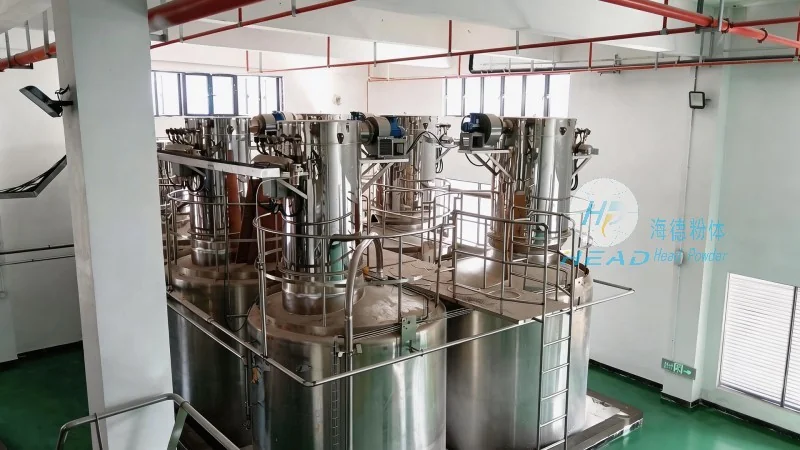
Several distinct characteristics define the effectiveness of pneumatic conveying for glass fiber cellulose powder. First, the technology offers a dust-free operation, which is essential for maintaining a clean and safe working environment. Unlike mechanical conveying methods, which can generate significant dust, pneumatic systems contain the material within the pipeline, reducing the risk of inhalation and contamination. Second, the system provides gentle handling of the powder, preventing agglomeration and preserving the material's physical properties. This is particularly important for glass fiber cellulose, as excessive handling can lead to particle breakage and loss of performance.
Third, pneumatic conveying allows for flexible and modular system design. Components can be added or removed as needed, enabling easy integration into existing production lines or expansion for future growth. The system can also be adapted to handle varying material flow rates, making it suitable for both small-scale and large-scale operations. Additionally, the technology offers high efficiency in terms of material transport, with minimal downtime and reduced maintenance requirements compared to traditional methods.
Applications and Benefits
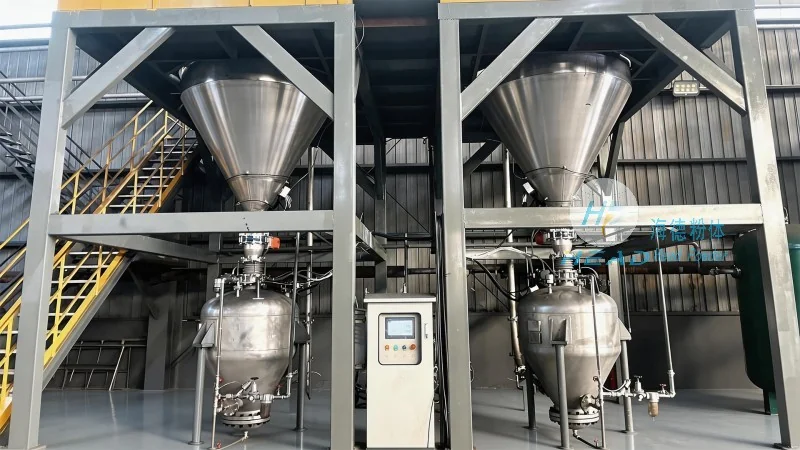
The advantages of pneumatic conveying for glass fiber cellulose powder make it an ideal choice for a wide range of applications. In the construction industry, the material is used in insulation and composite products, where efficient transport is crucial for maintaining consistent quality. In the automotive sector, the powder is incorporated into brake pads and other components, requiring precise handling to ensure uniform distribution. The electronics industry also benefits from the technology, as the material is used in circuit boards and other electronic parts, where contamination and particle size control are critical.
Overall, pneumatic conveying for glass fiber cellulose powder provides a reliable and efficient solution for material handling, enhancing productivity and product quality. By understanding the working principle and characteristics of this technology, businesses can make informed decisions about implementing the right system for their specific needs.