

Working Principle and Features of Potassium Chloride Material Handling System Equipment
HeadPowder, a leading manufacturer based in Shandong, China, specializes in the design and production of advanced material handling equipment tailored for the efficient transport of potassium chloride. This article delves into the working principles and key features of their potassium chloride material handling systems, providing insights into how these solutions enhance operational efficiency in industrial applications.
Company Overview and Expertise
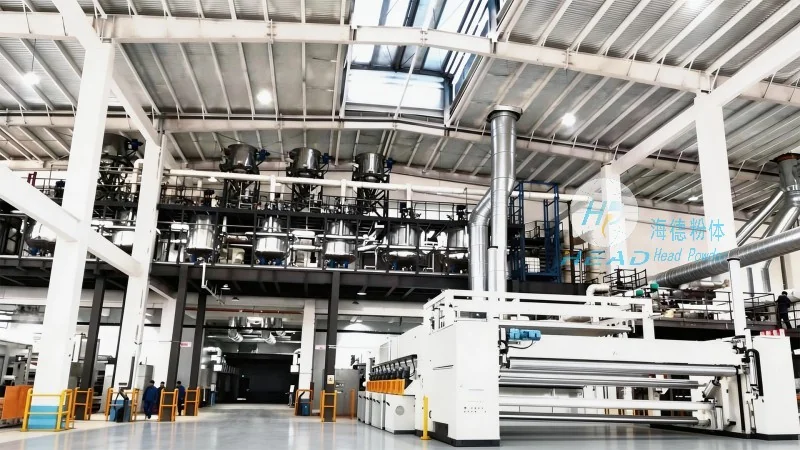
Shandong HeadPowder Engineering Co., Ltd., operating under the brand name HeadPowder, is a reputable enterprise dedicated to delivering high-quality material handling solutions. With a strong presence in the Chinese industrial sector, the company leverages years of experience and technical expertise to develop equipment that meets the specific demands of clients in various industries, including chemical processing and bulk material transport. HeadPowder’s commitment to innovation and precision engineering ensures that their products are built to withstand the rigorous conditions of potassium chloride handling, offering reliability and durability.
Working Principle of Potassium Chloride Material Handling Systems
The core of a potassium chloride material handling system lies in its ability to safely and efficiently move bulk material from one location to another. HeadPowder’s systems typically incorporate a combination of components designed to handle the unique properties of potassium chloride, such as its granular structure and potential for dust generation. The working principle involves several key steps:
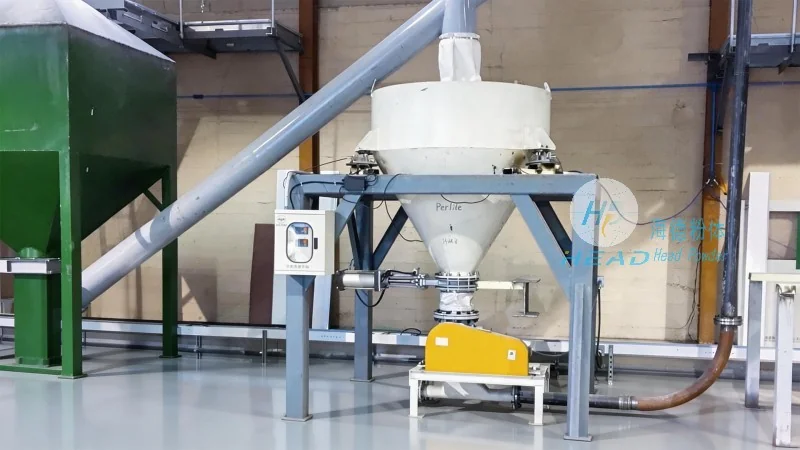
Material Inlet and Storage: The system begins with the intake of potassium chloride from a storage silo or hopper. This step ensures a consistent feed of material into the processing line, minimizing interruptions and maintaining a steady flow rate.
Conveying Mechanism: Depending on the system design, HeadPowder may employ various conveying methods, including screw conveyors, belt conveyors, or pneumatic systems. For potassium chloride, screw conveyors are commonly used due to their ability to handle dry, free-flowing materials without the need for additional lubrication. The screw mechanism rotates to move the material forward, ensuring smooth and continuous transport.
Control and Regulation: Advanced control systems are integrated into the equipment to regulate the speed and volume of material flow. Sensors and feedback mechanisms monitor the material level and conveyor speed, allowing for real-time adjustments to maintain optimal performance. This automation enhances operational efficiency and reduces the risk of overloading or underloading the system.
Outlet and Discharge: The material is discharged from the conveyor system into a designated storage or processing area. The design of the outlet ensures that the material is released in a controlled manner, preventing spillage and maintaining a clean working environment.
By integrating these components, HeadPowder’s potassium chloride material handling systems provide a seamless and reliable solution for bulk material transport, ensuring that the material is handled safely and efficiently throughout the process.
Key Features of the Potassium Chloride Material Handling Equipment
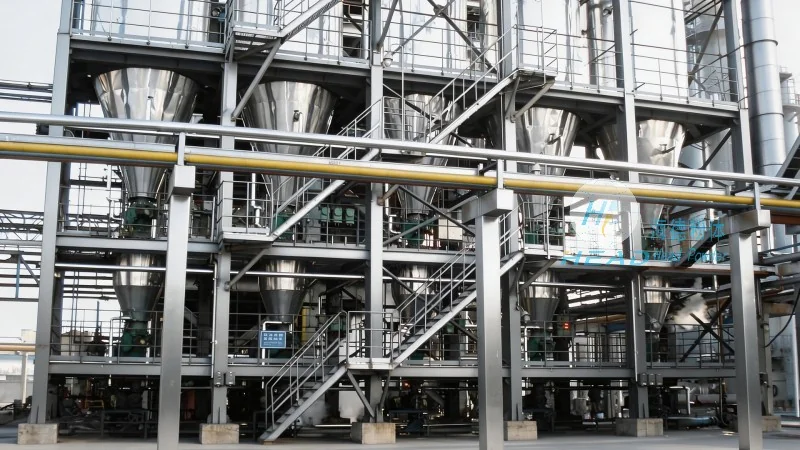
HeadPowder’s potassium chloride material handling systems are distinguished by several key features that set them apart in the industry. These features are designed to address the specific challenges of handling potassium chloride while maximizing operational performance and safety.
Corrosion-Resistant Construction: Potassium chloride can be corrosive to certain materials, especially in high humidity or wet conditions. HeadPowder’s equipment is constructed using corrosion-resistant materials, such as stainless steel or specialized alloys, to ensure long-term durability and prevent material degradation over time.
Dust Control and Environmental Safety: The handling of potassium chloride often generates dust, which can pose health and safety risks. The systems incorporate dust suppression mechanisms, including sealed enclosures and filtration systems, to minimize dust emissions and maintain a safe working environment. This not only protects personnel but also complies with environmental regulations.
Adjustable Speed and Capacity: The conveyor systems are equipped with variable speed drives, allowing operators to adjust the speed and capacity of the material flow based on specific requirements. This flexibility enables the system to handle varying loads and production rates, making it suitable for both small-scale and large-scale operations.
Easy Maintenance and Accessibility: HeadPowder’s equipment is designed with easy maintenance in mind. Access panels and modular components allow for quick and efficient maintenance, reducing downtime and maintenance costs. The systems are also equipped with diagnostic tools that provide real-time feedback on performance, enabling proactive maintenance and extending the equipment’s lifespan.
Energy Efficiency: Modern material handling systems are increasingly focused on energy efficiency. HeadPowder’s potassium chloride handling equipment incorporates energy-saving features, such as variable frequency drives (VFDs), which adjust motor speed to match the required load. This reduces energy consumption and operating costs while maintaining optimal performance.
These features collectively contribute to the effectiveness and reliability of HeadPowder’s potassium chloride material handling systems, making them a preferred choice for industries requiring efficient and safe bulk material transport.
Application and Benefits in Industrial Settings
The potassium chloride material handling systems from HeadPowder are widely used in various industrial applications, including chemical manufacturing, food processing, and mining operations. The systems offer several benefits that enhance operational efficiency and productivity:
Improved Productivity: By ensuring a continuous and efficient flow of material, the systems reduce downtime and increase production rates. The ability to adjust speed and capacity allows for seamless integration with other production processes, optimizing overall workflow.
Enhanced Safety: The dust control and corrosion-resistant features minimize health and safety risks, creating a safer working environment for personnel. The sealed design and integrated safety features further reduce the risk of accidents and spills.
Cost-Effective Operation: The energy-efficient design and low maintenance requirements contribute to reduced operational costs. The durability of the equipment, combined with its long lifespan, provides a high return on investment over time.
Customization and Flexibility: HeadPowder offers customized solutions tailored to the specific needs of clients. Whether it’s a small-scale operation or a large industrial facility, the systems can be adapted to meet unique requirements, ensuring optimal performance and compatibility with existing infrastructure.
Overall, HeadPowder’s potassium chloride material handling systems provide a comprehensive solution for bulk material transport, delivering enhanced efficiency, safety, and cost-effectiveness in industrial applications.
Conclusion
HeadPowder’s potassium chloride material handling systems represent a reliable and advanced solution for the efficient transport of potassium chloride. By leveraging their expertise in material handling and engineering, the company has developed equipment that addresses the unique challenges of handling this material while offering a range of features that enhance performance and safety. With a strong presence in the Chinese industrial sector and a commitment to quality, HeadPowder continues to be a trusted partner for industries seeking high-performance material handling solutions.