

Working Principle and Features of Centralized Material Feeding and Conveying System Equipment
Centralized material feeding and conveying systems represent a critical component in modern industrial operations, designed to streamline the movement of raw materials and components from storage to production lines. These systems are engineered to enhance efficiency, reduce labor costs, and minimize material handling errors, making them indispensable in various manufacturing sectors. The following discussion explores the fundamental working principles and distinctive features of such equipment, highlighting how they contribute to operational excellence.
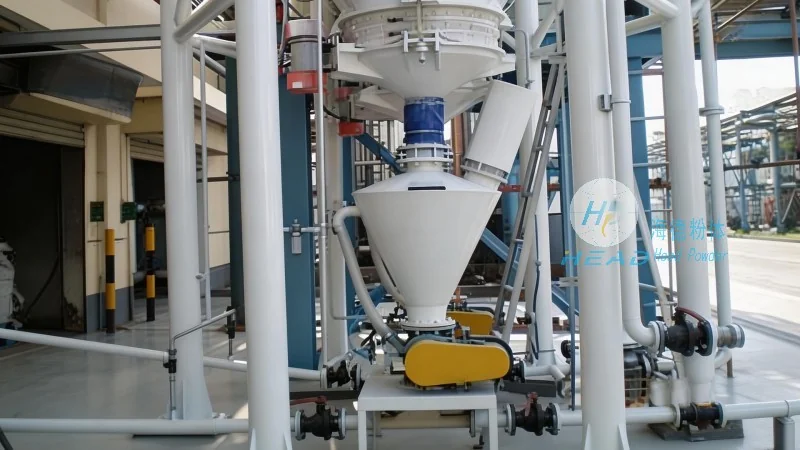
Working Principle of the Centralized Material Feeding and Conveying System
The core working principle of a centralized material feeding and conveying system revolves around the integration of multiple feeding mechanisms and automated transport technologies. Typically, the system begins with a central storage or buffer area where raw materials are stored in bulk. From this central hub, materials are then dispatched to individual production stations or workstations as needed. The process involves several key steps:
First, the system utilizes sensors and control systems to monitor the inventory levels in the central storage. When a workstation requires materials, the control unit sends a signal to the feeding mechanism, which then retrieves the appropriate quantity from the storage. This retrieval is often facilitated by automated feeding devices such as vibratory feeders, belt conveyors, or robotic arms, depending on the material characteristics and processing requirements.
Next, the materials are transported from the central storage to the target workstation via a network of conveyors. These conveyors may include chain-driven live roller systems, belt conveyors, or overhead monorail systems, ensuring that materials are moved efficiently and without interruption. The system is equipped with programmable logic controllers (PLCs) and human-machine interfaces (HMIs) that allow operators to monitor and adjust the flow of materials in real-time. This control system ensures that the material supply matches the production demand, preventing bottlenecks or overstocking.
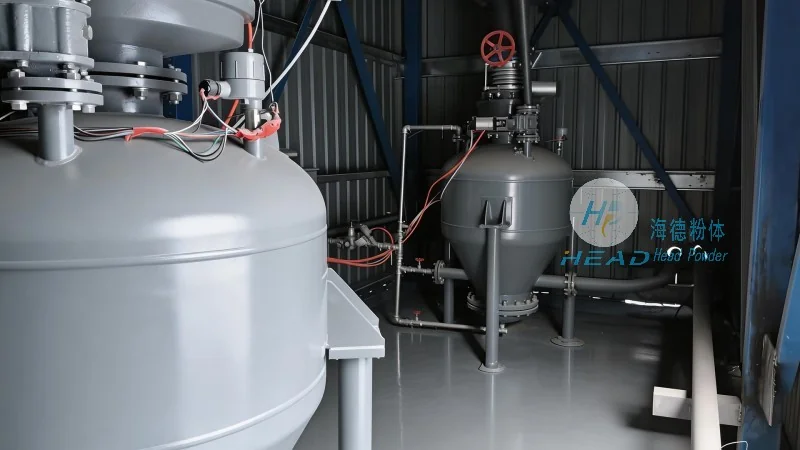
Finally, the materials are delivered to the production line at the precise moment they are required. The system may incorporate sorting and positioning mechanisms to ensure that each component is placed correctly at the workstation. This final step is crucial for maintaining production line efficiency and reducing downtime caused by material delays.
Key Features and Advantages of the System
The centralized material feeding and conveying system offers several notable features and advantages that make it a preferred choice for modern manufacturing environments. These features are designed to address common challenges in material handling, such as inefficiency, labor-intensive processes, and material loss. The primary advantages include:
1. **Enhanced Efficiency and Productivity**: By automating the material feeding and conveying process, the system reduces the time and labor required for manual material handling. This leads to faster production cycles and increased output, as materials are delivered to workstations promptly and without delay. The integration of real-time monitoring and control further optimizes the flow, ensuring that production lines operate at their maximum capacity.
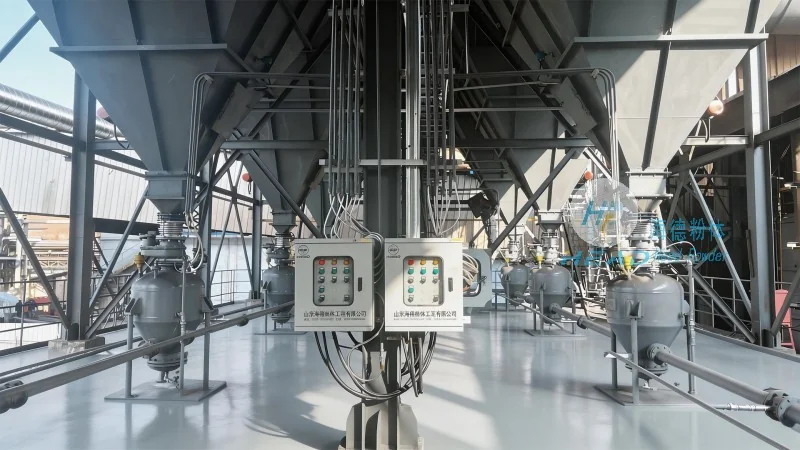
2. **Improved Material Management and Traceability**: The system provides comprehensive tracking of materials from storage to the production line. Each batch of materials can be identified and traced, allowing for better inventory management and quality control. This feature is particularly valuable in industries where traceability is mandatory, such as pharmaceuticals or food processing.
3. **Flexibility and Scalability**: The design of the centralized system allows for easy integration with existing production lines and can be scaled to accommodate growing production demands. New workstations or feeding mechanisms can be added without significant modifications to the overall system, providing flexibility for future expansion. This adaptability makes the system suitable for a wide range of manufacturing applications.
4. **Reduced Labor Costs and Human Error**: Automating material handling minimizes the need for manual labor, thereby reducing labor costs and associated risks, such as workplace injuries or material damage. The system also reduces the likelihood of human error, as the automated processes are consistent and reliable. This leads to higher product quality and fewer defects in the final output.
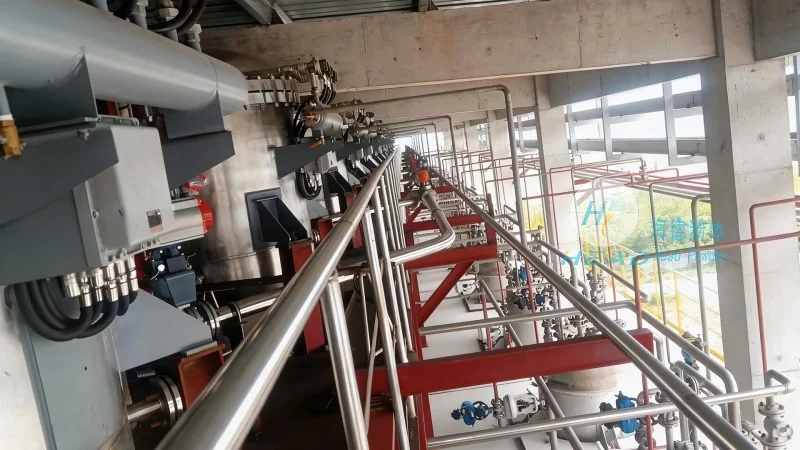
5. **Space Optimization**: The centralized design consolidates material storage and feeding functions into a single area, optimizing the use of factory space. This is especially beneficial in facilities with limited floor space, as it eliminates the need for separate storage areas and reduces the overall footprint of the material handling system.
Conclusion and Company Information
Centralized material feeding and conveying systems are essential tools for modern manufacturing, offering a robust solution to the challenges of material handling. By leveraging advanced automation and control technologies, these systems enhance operational efficiency, improve product quality, and reduce costs. For businesses seeking to optimize their material handling processes, investing in a high-quality centralized system is a strategic decision that can yield significant long-term benefits.
Shandong HeadPowder Engineering Co., Ltd., a leading manufacturer in the field, specializes in the design, development, and production of advanced material handling equipment. With a focus on innovation and customer satisfaction, the company provides customized solutions tailored to the specific needs of each client. HeadPowder's systems are engineered to meet the highest standards of performance and reliability, ensuring that they deliver exceptional value to industrial operations. Based in Shandong, China, the company leverages its expertise and local resources to deliver cutting-edge solutions that help businesses achieve their production goals efficiently and effectively.