

[WTTLE]Working Principle and Features of Sodium Sulphate Material Conveying Lines
Understanding the working principle and key features of sodium sulphate material conveying lines is essential for industries that rely on efficient material handling solutions. These systems are specifically designed to manage the transportation of sodium sulphate, a critical chemical widely used in various industrial applications. The following sections provide a detailed overview of how these conveying lines operate and the advantages they offer.
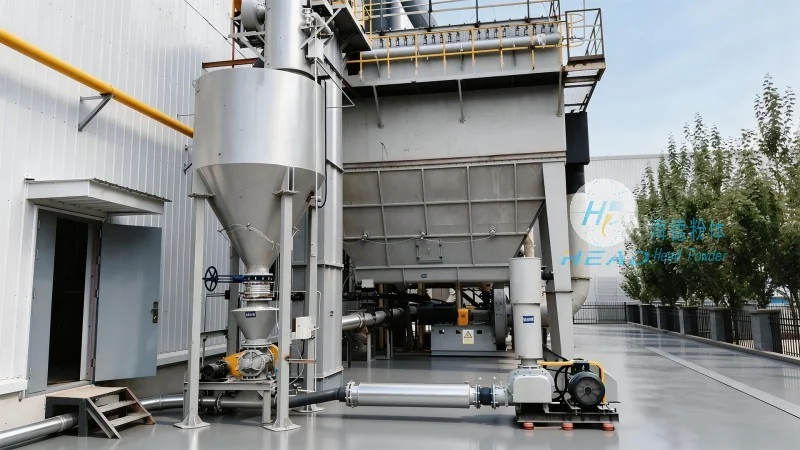
Working Principle of Sodium Sulphate Material Conveying Lines
The core working principle of sodium sulphate material conveying lines revolves around the systematic movement of bulk material from a source to a destination. Typically, these systems utilize a combination of mechanical components such as conveyor belts, screw conveyors, or pneumatic systems, depending on the specific requirements of the application. The process begins with the loading of sodium sulphate into a hopper or storage silo, where it is then transferred to the primary conveying mechanism. As the material moves through the system, it is guided along a predetermined path, often with the assistance of gravity or powered by motor-driven components. The conveying line may include intermediate storage or processing units, such as mixing or drying chambers, to enhance the material's properties before final delivery. The entire operation is controlled by a centralized system that monitors flow rates, pressure, and other critical parameters to ensure optimal performance and safety.
Key Features of Sodium Sulphate Material Conveying Lines
HeadPowder Engineering Co., Ltd., a leading manufacturer based in Shandong, China, specializes in designing and supplying high-quality sodium sulphate material conveying lines. The features of these systems are tailored to meet the demanding needs of industrial environments, offering several advantages over traditional material handling methods. One of the primary features is the robust construction, which is built to withstand the abrasive nature of sodium sulphate and the harsh operating conditions often encountered in industrial settings. The conveying lines are constructed from corrosion-resistant materials, such as stainless steel or specialized alloys, to prevent material degradation and equipment wear. Additionally, the systems are equipped with advanced control technologies, including programmable logic controllers (PLCs) and sensors, that enable precise regulation of material flow and real-time monitoring of operational status. This ensures consistent performance and reduces downtime, leading to increased productivity and cost savings for end-users.
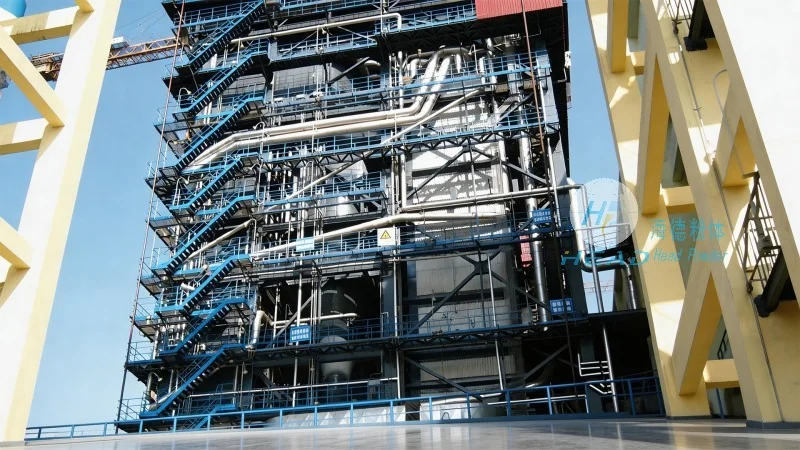
Efficiency and Reliability in Material Handling
The design of sodium sulphate material conveying lines emphasizes efficiency and reliability, making them an ideal choice for continuous production processes. The systems are engineered to handle large volumes of material with minimal maintenance requirements, reducing operational costs and enhancing overall system uptime. The use of automated controls and integrated monitoring systems allows for proactive maintenance, where potential issues are detected and addressed before they lead to system failures. Furthermore, the modular design of these conveying lines allows for easy integration with existing industrial infrastructure, providing flexibility in system expansion or modification. This adaptability is particularly valuable for industries that may experience changes in production volumes or material specifications over time.
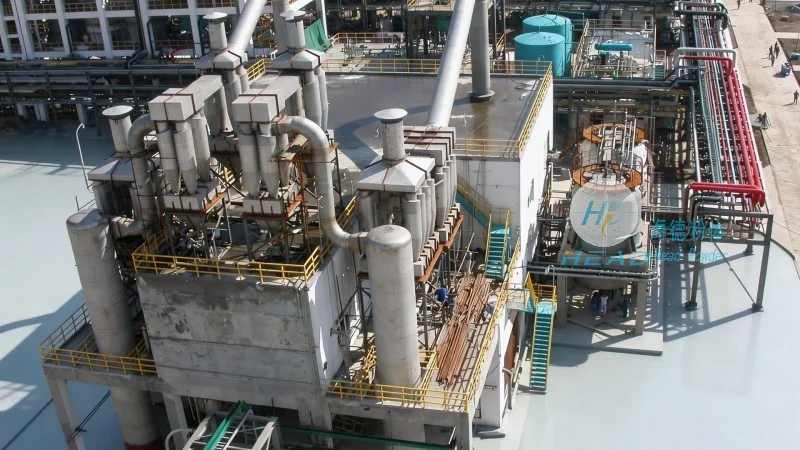
Customization and Application Flexibility
HeadPowder Engineering Co., Ltd. recognizes that each industrial application has unique requirements, and thus offers customized solutions for sodium sulphate material conveying lines. The company's engineering team works closely with clients to understand their specific needs, such as the desired conveying capacity, material characteristics, and operational environment. Based on this information, they design and manufacture conveying systems that are tailored to meet these specifications. The customization may include adjustments to the conveyor speed, the type of conveying mechanism (e.g., belt, screw, or pneumatic), and the inclusion of additional features like dust collection systems or temperature control units. This approach ensures that the final system not only meets but exceeds the client's expectations, providing a reliable and efficient solution for their sodium sulphate material handling needs.
Conclusion and Industry Impact
In conclusion, sodium sulphate material conveying lines are sophisticated systems that combine advanced engineering with robust construction to deliver efficient and reliable material handling solutions. The working principle, which involves systematic material movement through mechanical components, is complemented by key features such as corrosion-resistant materials, advanced control technologies, and modular design. These features contribute to enhanced productivity, reduced maintenance costs, and improved operational safety. As a leading provider in the industry, HeadPowder Engineering Co., Ltd. continues to innovate and provide customized solutions that meet the evolving demands of their clients. By focusing on the specific requirements of each application, they ensure that their conveying lines not only perform effectively but also contribute to the overall success of their clients' operations.