

Working Principle and Features of Clay Material Conveying Lines
Clay material conveying lines are essential equipment in various industrial applications, particularly in the processing and transportation of clay-based materials. Understanding their working principles and key features is crucial for optimizing operational efficiency and ensuring reliable performance in production environments. This article provides an in-depth look at the mechanisms behind these systems and the attributes that make them effective solutions for handling clay materials.
Introduction to Clay Material Conveying Lines
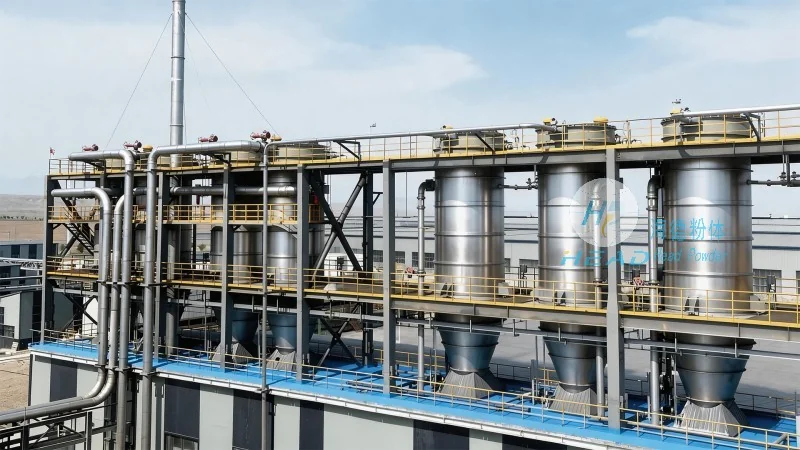
Clay material conveying lines, also known as clay handling systems, are engineered to transport clay from one location to another within industrial facilities. These systems are commonly used in industries such as ceramics, brick manufacturing, and construction material production, where the efficient movement of clay is vital for maintaining production schedules and reducing labor costs. The design of these lines typically involves a combination of components, including feeders, conveyors, and control systems, all working in tandem to ensure smooth and continuous material flow.
Working Principle of Clay Material Conveying Lines
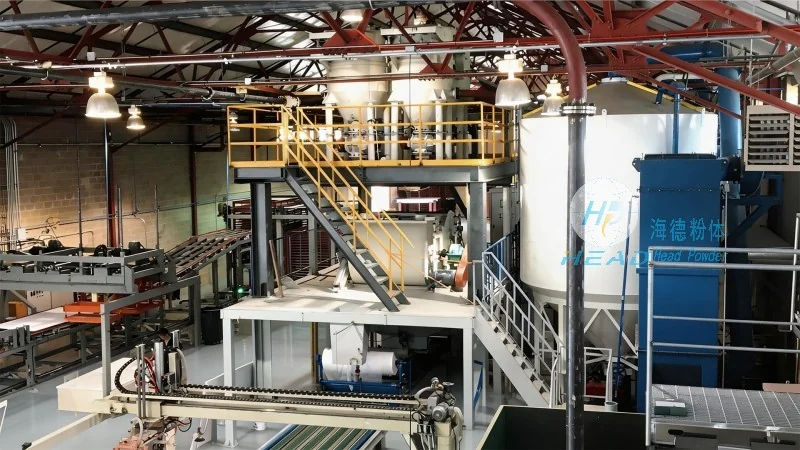
The core working principle of clay material conveying lines revolves around the use of mechanical or pneumatic systems to move clay through a defined pathway. In most cases, these systems employ a belt conveyor or screw conveyor mechanism to transport the material. The process begins with the clay being fed into the system, often from a storage hopper or a processing unit. The feeder then regulates the flow of clay, ensuring a consistent and controlled amount is introduced into the conveyor. As the clay moves along the conveyor, it is transported to the desired destination, such as a processing machine or a storage area. The control system plays a critical role in managing the speed and direction of the conveyor, adapting to changes in material volume or operational requirements.
Key Features of Clay Material Conveying Lines
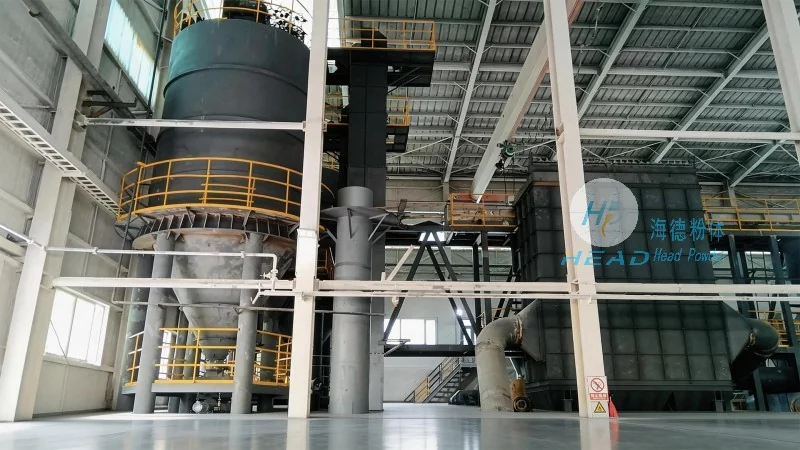
Several key features distinguish effective clay material conveying lines, contributing to their reliability and efficiency in industrial settings. One of the primary features is the robust construction designed to withstand the abrasive nature of clay. Materials like stainless steel or heavy-duty polymers are often used in the construction of conveyor components to prevent wear and tear, ensuring long-term durability. Another important feature is the adjustable speed control, which allows operators to modify the conveyor speed based on the specific requirements of the clay being handled. This flexibility is particularly valuable when dealing with different clay types or varying production volumes. Additionally, many modern clay conveying lines incorporate advanced monitoring systems, such as sensors and indicators, to provide real-time feedback on the system's performance. These features help in early detection of issues, such as blockages or imbalances, allowing for timely maintenance and minimizing downtime.
Applications and Benefits of Clay Material Conveying Lines
Clay material conveying lines find widespread application across various industries due to their versatility and efficiency. In the ceramics industry, for example, these systems are used to transport raw clay to kilns or processing machines, ensuring a steady supply for production. In brick manufacturing, they help move clay from storage to molding equipment, streamlining the production process. The benefits of using these systems extend beyond just material handling; they also contribute to improved safety by reducing manual handling of heavy clay loads and minimizing the risk of accidents. Furthermore, the automation and control features of modern clay conveying lines enhance operational efficiency, allowing for consistent production output and reduced labor costs. By integrating these systems into production workflows, companies can achieve greater productivity and maintain high standards of quality in their clay-based products.
Conclusion
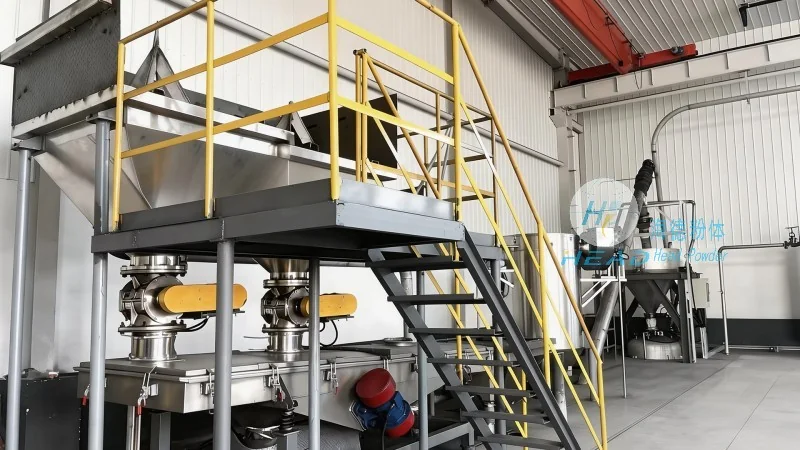
In summary, clay material conveying lines are sophisticated systems that leverage mechanical and control technologies to efficiently transport clay materials. Their working principles, centered on regulated material flow and controlled movement, combined with key features like robust construction and adjustable speed, make them indispensable in industrial applications. The applications of these systems span multiple sectors, offering significant benefits in terms of efficiency, safety, and productivity. For businesses dealing with clay materials, investing in a well-designed clay conveying line is a strategic move to enhance operational performance and maintain competitiveness in the market.