

Working Principle and Features of Aluminum Hydride Powder Material Handling
Aluminum hydride powder is a critical material in various industrial applications, and efficient material handling is essential for its safe and effective use. This article explores the working principle and key features of aluminum hydride powder material handling systems, highlighting the importance of specialized equipment and processes designed to manage this reactive powder. The discussion will cover the fundamental mechanisms involved in transporting and handling aluminum hydride powder, as well as the distinctive characteristics that set these systems apart from conventional material handling solutions.
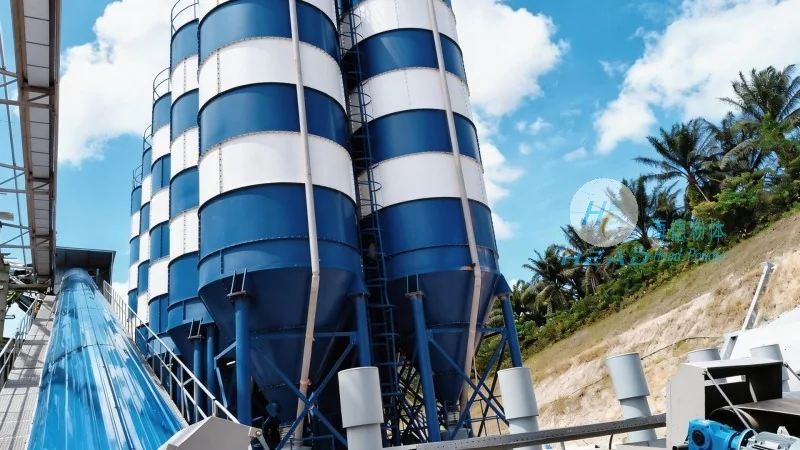
HeadPowder, a leading provider in the field, specializes in the engineering and implementation of aluminum hydride powder handling solutions. With a strong presence in Shandong, China, the company leverages advanced technology and industry expertise to deliver reliable systems tailored to the unique properties of aluminum hydride. The following sections delve into the working principle and key features of these material handling systems, providing insights into how they ensure safety, efficiency, and compliance in industrial operations.
The Working Principle of Aluminum Hydride Powder Material Handling
The working principle of aluminum hydride powder material handling systems revolves around the controlled movement of the reactive powder from storage to processing or application areas. This process typically involves several critical steps, each designed to minimize the risk of exothermic reactions and ensure the powder remains stable during transport. The primary components and mechanisms include:
1. Storage and Feeding: Aluminum hydride powder is stored in specialized containers, such as sealed silos or bins, to prevent exposure to moisture and air, which can trigger unwanted reactions. The feeding system, often equipped with low-speed augers or pneumatic feeders, gradually releases the powder into the transport line. This controlled release minimizes the risk of dust accumulation and ensures a steady flow of material.
2. Pneumatic Conveying: Many aluminum hydride powder handling systems utilize pneumatic conveying technology to transport the powder over long distances. This method involves creating a low-pressure or high-pressure air stream that propels the powder particles through a pipeline. The system is designed with features like cyclone separators and filters to separate the powder from the air stream, ensuring that the powder remains contained and the air is cleaned before release. Pneumatic conveying is particularly effective for handling fine powders like aluminum hydride, as it minimizes mechanical stress and reduces the risk of particle degradation.
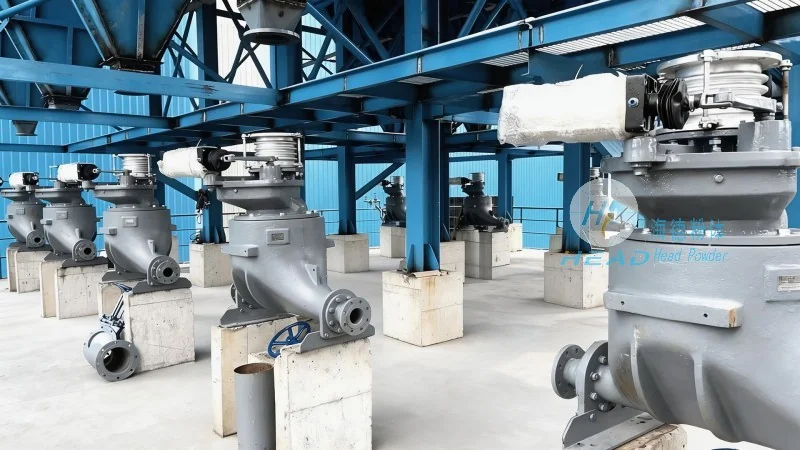
3. Valving and Control: Precise control of the powder flow is achieved through specialized valves, such as rotary valves or slide gates, which regulate the amount of powder entering the conveying line. These valves are often integrated with sensors and automation systems to monitor flow rates and adjust the process in real-time. The control system ensures that the powder is transported at optimal speeds, preventing clogging and maintaining consistent material quality.
4. Discharge and Dosing: At the destination, the aluminum hydride powder is discharged into processing equipment or storage vessels. The discharge system is designed to handle the reactive nature of the powder, with features like temperature control and inert gas purging to prevent unintended reactions. Dosing mechanisms, such as gravimetric feeders or volumetric screw feeders, ensure accurate and controlled addition of the powder to the next stage of the process.
Key Features of Aluminum Hydride Powder Material Handling Systems
Aluminum hydride powder material handling systems are characterized by several key features that address the unique challenges posed by this reactive material. These features are designed to enhance safety, efficiency, and reliability in industrial applications. The primary features include:
1. Explosion-Proof Design: Given the flammable and reactive nature of aluminum hydride, all material handling equipment is constructed with explosion-proof components. This includes the use of non-sparking materials, flame arrestors, and explosion venting systems to prevent the propagation of any potential ignition sources. The design ensures that the system can safely handle the powder without risking fire or explosion hazards.
2. Air Purging and Inert Gas Systems: To prevent oxidation and exothermic reactions, aluminum hydride powder handling systems are equipped with air-purging and inert gas (e.g., nitrogen) systems. These systems maintain an inert atmosphere within the equipment, reducing the risk of unwanted chemical reactions during storage and transport. The use of inert gas also helps to control the temperature of the powder, preventing overheating and ensuring stable handling conditions.
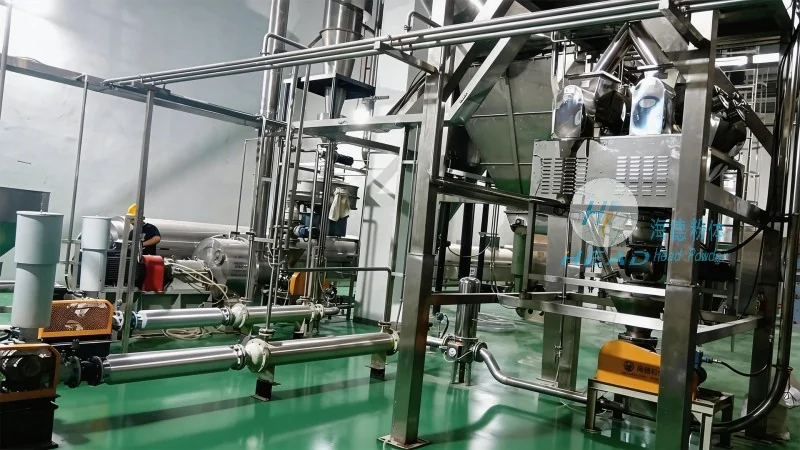
3. Temperature and Pressure Monitoring: Continuous monitoring of temperature and pressure is critical in aluminum hydride powder handling. Sensors and control systems are integrated into the equipment to detect any abnormal conditions, such as temperature spikes or pressure increases, which may indicate a potential reaction. Immediate alerts and automated shutdown procedures are implemented to prevent accidents and ensure operator safety.
4. Material Compatibility: The components of aluminum hydride powder handling systems are selected for their compatibility with the reactive powder. Materials like stainless steel, PTFE, or specialized alloys are used to prevent corrosion and chemical reactions with the aluminum hydride. This ensures that the equipment remains durable and effective over time, reducing maintenance and replacement costs.
5. Automation and Integration: Modern aluminum hydride powder handling systems are highly automated, with integration capabilities that allow seamless operation with other industrial processes. The use of programmable logic controllers (PLCs) and sensors enables real-time monitoring and control, optimizing the handling process and reducing human error. Automation also enhances safety by minimizing the need for manual handling of the reactive powder.
Benefits of Using Specialized Aluminum Hydride Powder Handling Systems
Implementing specialized aluminum hydride powder handling systems offers numerous benefits for industrial operations. These systems enhance safety, improve efficiency, and ensure compliance with regulatory standards. The key advantages include:
1. Enhanced Safety: The explosion-proof design, inert gas systems, and monitoring features significantly reduce the risk of accidents and injuries associated with handling aluminum hydride. By minimizing the potential for exothermic reactions and fire, these systems protect both personnel and equipment, leading to a safer working environment.
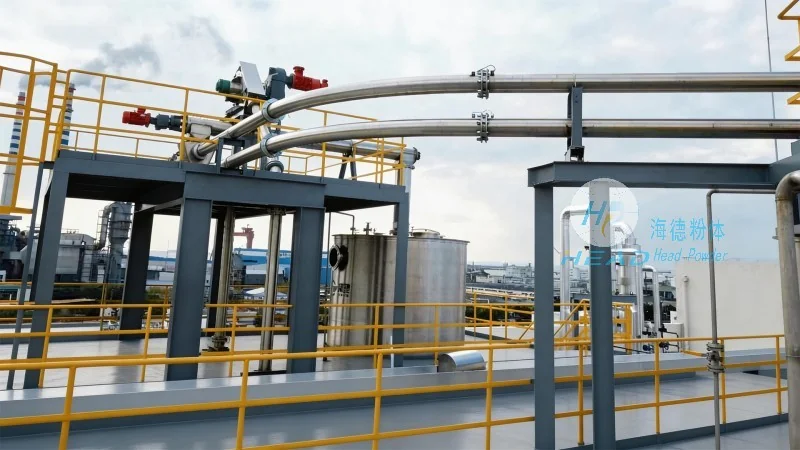
2. Improved Efficiency: Specialized equipment ensures that aluminum hydride powder is transported and processed with minimal loss and maximum consistency. The controlled flow and precise dosing features improve the overall efficiency of the production process, reducing downtime and increasing output.
3. Compliance with Regulations: Aluminum hydride is a hazardous material, and handling systems must comply with local and international regulations. Specialized systems are designed to meet these requirements, ensuring that operations are in line with safety and environmental standards. This helps companies avoid penalties and maintain a good reputation.
4. Reduced Maintenance: The use of compatible materials and robust design reduces the need for frequent maintenance and repairs. The automated control systems also minimize the need for manual intervention, reducing labor costs and improving system reliability.
Conclusion
Aluminum hydride powder material handling systems are essential for the safe and efficient use of this reactive material in industrial applications. The working principle, which involves controlled storage, pneumatic conveying, and precise control, ensures that the powder is handled with minimal risk. The key features, including explosion-proof design, inert gas systems, and monitoring capabilities, address the unique challenges posed by aluminum hydride. By implementing these specialized systems, companies can enhance safety, improve efficiency, and comply with regulatory requirements. HeadPowder, with its expertise and presence in Shandong, China, continues to lead in providing reliable aluminum hydride powder handling solutions that meet the needs of modern industrial operations.