

Working Principle and Features of Light Calcium Material Conveying
Light calcium material conveying systems are integral to industrial processes where the efficient handling of calcium carbonate powders is critical. These systems are designed to manage the flow, transport, and distribution of light calcium, a key component in various manufacturing applications such as plastics, paper, and coatings. Understanding the working principle and features of such systems is essential for optimizing production efficiency and maintaining product quality.
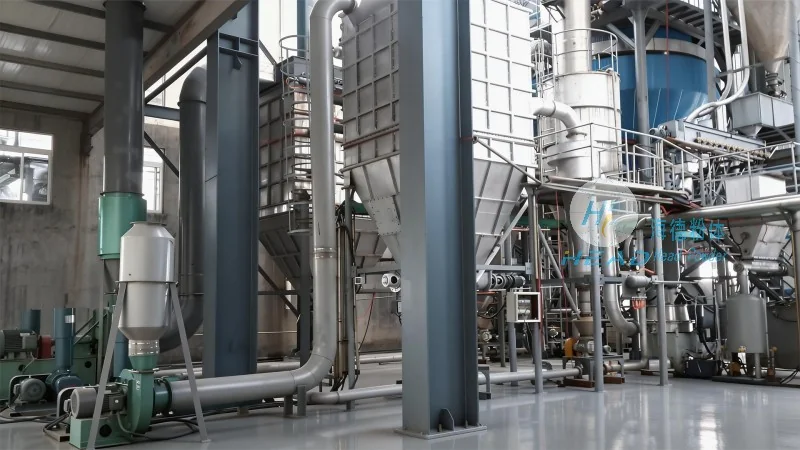
Working Principle of Light Calcium Material Conveying
The core working principle of light calcium material conveying involves the use of specialized equipment to move fine powders from a source to a destination. This process typically includes several key components and mechanisms. First, the material is fed into a hopper or storage silo, where it is stored under controlled conditions to prevent agglomeration or caking. From the hopper, the material is then transferred to a conveyor system, which may include screw conveyors, pneumatic conveyors, or bucket elevators, depending on the specific requirements of the application.
Screw conveyors utilize rotating screws to push the material forward through a tube or trough. This method is effective for horizontal or slight incline transport and is suitable for moderate to high volumes of light calcium. Pneumatic conveyors, on the other hand, use air pressure to transport the material through a pipeline. This system is ideal for long-distance or vertical transport and can handle fine powders without the need for mechanical parts that might cause wear or contamination. Bucket elevators are used for vertical or steep incline transport, where a chain or belt with attached buckets lifts the material from a lower to a higher level. Each of these mechanisms works in conjunction with the material's properties—light calcium's fine particle size and low bulk density—to ensure smooth and efficient movement.
Control systems play a vital role in the operation of light calcium conveying systems. Sensors and controllers monitor parameters such as flow rate, pressure, and material level, adjusting the conveyor speed or air pressure as needed to maintain consistent performance. This automation ensures that the material is conveyed at the optimal rate, preventing overloading or underloading of the system, which could lead to inefficiencies or product degradation.
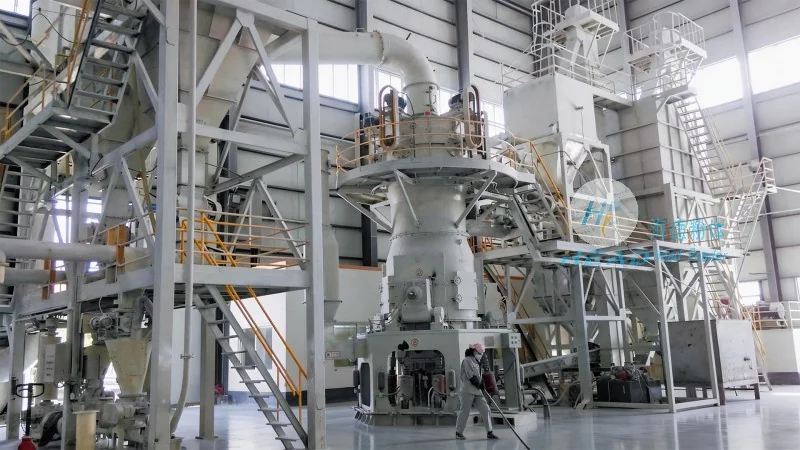
Key Features of Light Calcium Material Conveying Systems
Light calcium material conveying systems are characterized by several features that enhance their performance and adaptability. One of the primary features is their ability to handle fine, low-density powders without causing excessive wear or clogging. The design of the conveying equipment, such as the smooth surfaces of screw conveyors or the flexible hoses of pneumatic systems, minimizes friction and particle attrition, preserving the material's quality. Another important feature is the system's scalability, allowing it to be customized for different production capacities—from small-scale laboratory applications to large industrial plants. This adaptability is achieved through modular components that can be added or removed as production needs change.
Sanitation and hygiene are also critical features, especially in industries where light calcium is used in food or pharmaceutical applications. Many conveying systems are constructed from stainless steel or other corrosion-resistant materials, and they are designed with easy-to-clean surfaces to prevent contamination. Additionally, the systems often include dust collection and filtration components to maintain a clean working environment and comply with regulatory standards. These features ensure that the light calcium material remains pure and free from contaminants throughout the conveying process.
Energy efficiency is another notable feature of modern light calcium conveying systems. Advanced designs incorporate energy-saving mechanisms, such as variable-speed drives for conveyors and optimized air flow in pneumatic systems. These improvements reduce operational costs while maintaining high performance. Furthermore, the systems are designed for low maintenance, with components that are easy to access and replace, minimizing downtime and extending the equipment's lifespan.
Applications and Benefits in Industrial Settings
Light calcium material conveying systems are widely used in various industrial sectors, where their ability to handle fine powders efficiently is a key advantage. In the plastics industry, for example, light calcium is used as a filler to improve the mechanical properties of polymers. Conveying systems ensure that the calcium powder is uniformly distributed throughout the production process, resulting in consistent product quality. In the paper industry, light calcium is added to paper pulp to enhance brightness and opacity. The conveying systems deliver the powder to the papermaking machines at the correct rate, contributing to the final product's characteristics. Similarly, in the coatings and paints industry, light calcium is used to adjust the density and opacity of the coating. The efficient conveying of this material ensures that the final product meets the required specifications.
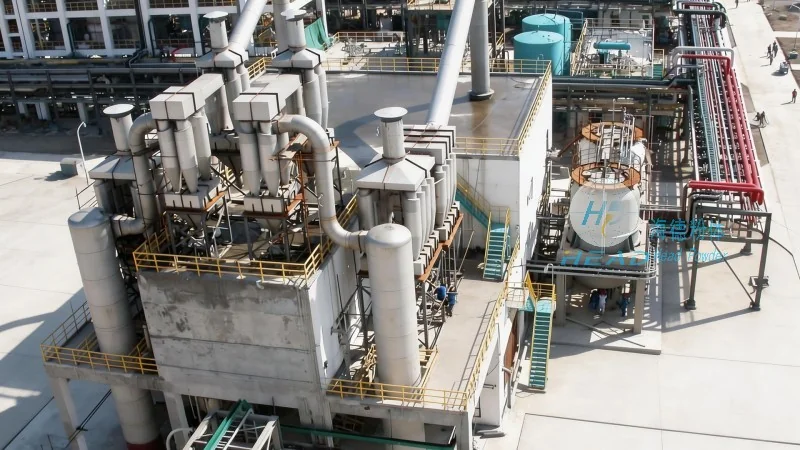
The benefits of using light calcium material conveying systems extend beyond just efficient material handling. These systems contribute to overall production efficiency by reducing downtime and improving throughput. By maintaining consistent flow rates and preventing material buildup, they help minimize waste and lower production costs. Additionally, the systems enhance product quality by ensuring that the light calcium is handled gently, preserving its particle size distribution and preventing agglomeration. This is particularly important in applications where the material's properties directly impact the final product's performance.
Conclusion and Company Overview
Light calcium material conveying systems are essential components in industrial operations that rely on the efficient handling of fine calcium carbonate powders. Their working principle, which combines specialized equipment with advanced control systems, ensures that the material is transported safely and effectively. The key features of these systems, including their ability to handle low-density powders, maintain hygiene, and operate efficiently, make them suitable for a wide range of applications. By understanding the principles and benefits of light calcium conveying, manufacturers can optimize their production processes and improve overall performance.
Shandong HeadPowder Engineering Co., Ltd., a leading provider of material handling solutions, specializes in designing and manufacturing light calcium material conveying systems tailored to the specific needs of industrial clients. With a focus on innovation and quality, the company delivers reliable equipment that enhances production efficiency and product quality. HeadPowder's systems are built to withstand the demands of industrial environments while providing long-term performance and low maintenance costs. Based in Shandong, China, the company serves clients globally, offering comprehensive solutions for light calcium material handling. Whether for small-scale or large-scale operations, HeadPowder's expertise ensures that clients receive the most suitable conveying systems for their applications.