

Working Principle and Features of Lithium Carbonate Powder Conveying Line
Lithium carbonate serves as a vital raw material in the production of lithium-ion batteries, which are integral to contemporary electronics and renewable energy storage systems. The efficient and safe handling of lithium carbonate powder is indispensable for industrial processes, and specialized conveying lines are essential for this purpose. Understanding the working principle and key features of a lithium carbonate powder conveying line is crucial for optimizing production workflows and ensuring operational safety.
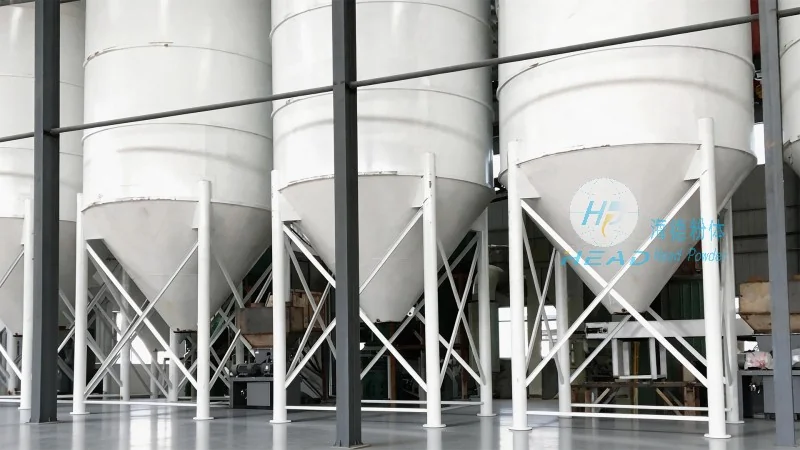
Overview of Lithium Carbonate Powder Conveying Lines
A lithium carbonate powder conveying line is a system engineered to transport lithium carbonate powder from storage silos or processing units to various points in a manufacturing facility, such as mixing stations, packaging lines, or quality control areas. These systems are designed to accommodate the unique properties of lithium carbonate, including its fine particle size, dust sensitivity, and potential reactivity under specific conditions. The design of these conveying lines prioritizes efficiency, reliability, and safety to meet the demands of high-volume production environments.
The Working Principle of Lithium Carbonate Powder Conveying Lines
The core working principle of a lithium carbonate powder conveying line involves a sequence of mechanical components to move the powder through the system. The process typically begins with the powder being discharged from a storage silo or hopper into a feeder unit. The feeder, often a rotary valve or screw feeder, regulates the flow rate to ensure consistent and controlled feed into the conveying system. From the feeder, the powder is transferred to a conveyor, which may be a pneumatic conveyor (air-based) or a mechanical conveyor (e.g., a belt or screw conveyor) based on the application and material characteristics.
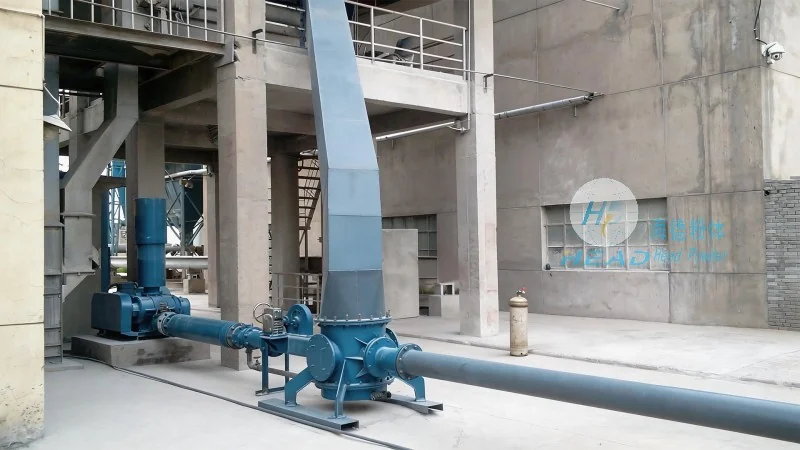
In pneumatic conveying systems, compressed air is used to create a flow that transports the powder particles through a pipeline. The air velocity is carefully controlled to prevent particle segregation or blockages, and the system may include cyclones or filters to separate the powder from the air stream and return the air to the compressor for reuse. Mechanical conveyors rely on physical movement of the powder along a conveyor belt or screw to move it through the line. These systems are often preferred for applications requiring higher material handling capacities or where the powder is prone to clogging in pneumatic systems.
Key Features of Lithium Carbonate Powder Conveying Lines
Several key features distinguish high-quality lithium carbonate powder conveying lines, making them suitable for demanding industrial applications. One critical feature is the ability to handle fine, dust-sensitive powders without causing excessive particle degradation or dust emissions. Advanced systems incorporate dust collection and filtration mechanisms to maintain air quality and comply with environmental regulations. Additionally, these lines are designed for high efficiency, minimizing material loss and ensuring optimal throughput in production processes.
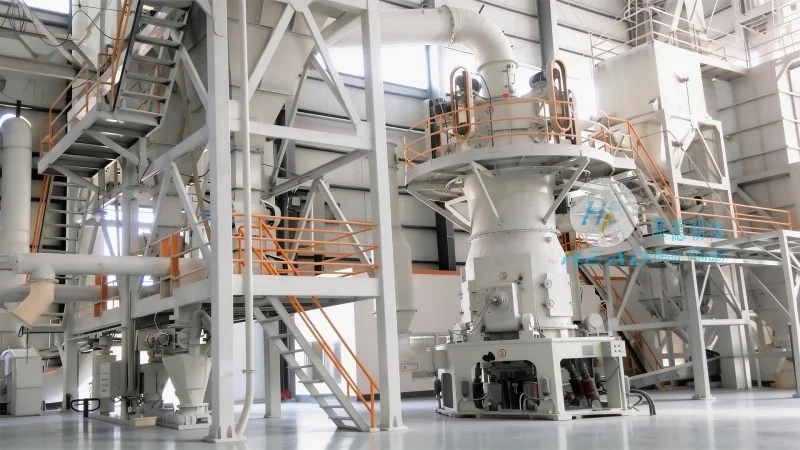
Another critical feature is the system's reliability and durability. Lithium carbonate can be abrasive and corrosive to certain materials, so conveying lines are constructed from materials like stainless steel, special alloys, or coated components to resist wear and corrosion. This ensures long-term performance and reduces maintenance costs over the system's lifespan. The design also includes safety features, such as explosion-proof components and emergency shut-off valves, to protect operators and equipment from potential hazards associated with powder handling.
Customization is another notable feature of these conveying lines. Manufacturers often offer tailored solutions to meet specific production requirements, including varying conveyor capacities, adjustable flow rates, and integration with existing processing equipment. This flexibility allows companies to adapt the conveying line to their unique operational needs, whether scaling up production or integrating new processing technologies.
Company Introduction: Shandong HeadPowder Engineering Co., Ltd.
Shandong HeadPowder Engineering Co., Ltd., operating under the brand name HeadPowder, is a leading provider of specialized powder handling solutions, including lithium carbonate powder conveying lines. With a focus on engineering excellence and customer-centric design, HeadPowder has established itself as a trusted partner in the chemical and battery manufacturing industries. The company's headquarters is located in Shandong, China, where it leverages advanced manufacturing capabilities and technical expertise to develop and deliver high-performance conveying systems.
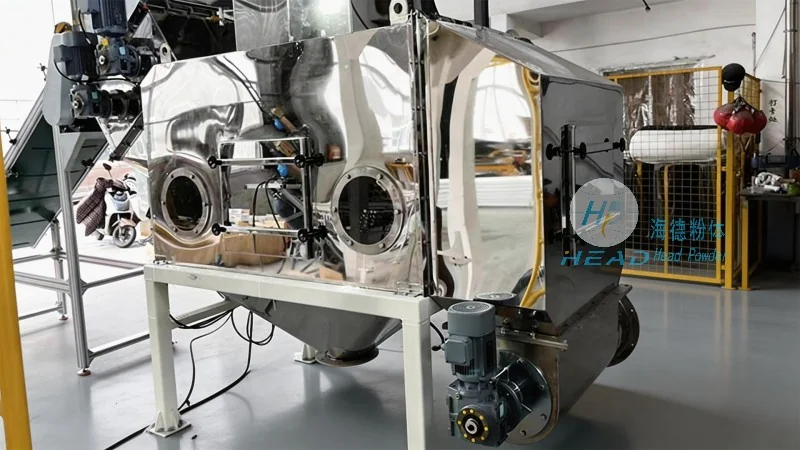
HeadPowder's commitment to quality is evident in its adherence to international standards and rigorous testing protocols for all products. The company invests in research and development to stay at the forefront of powder handling technology, ensuring that its conveying lines meet the evolving demands of modern industrial applications. By combining innovative engineering with practical application knowledge, HeadPowder delivers solutions that enhance operational efficiency, reduce downtime, and improve overall productivity for its clients.
For businesses in the lithium battery and chemical sectors seeking reliable and efficient lithium carbonate powder conveying solutions, HeadPowder offers a comprehensive range of products and services. The company's team of experienced engineers and technicians provides expert consultation to help clients select the most suitable conveying line for their specific needs, from initial design and installation to ongoing maintenance and support. With a proven track record of delivering high-quality solutions, HeadPowder is positioned as a key player in the global market for powder handling equipment.