

Working Principle and Characteristics of Lithium Nickel Cobalt Aluminum Oxide Powder Handling
Understanding the working principle and characteristics of lithium nickel cobalt aluminum oxide (LiNCA) powder handling is crucial for optimizing industrial processes in battery manufacturing and related applications. This article provides a detailed overview of the mechanisms involved and the key attributes that define efficient powder handling systems for LiNCA materials.
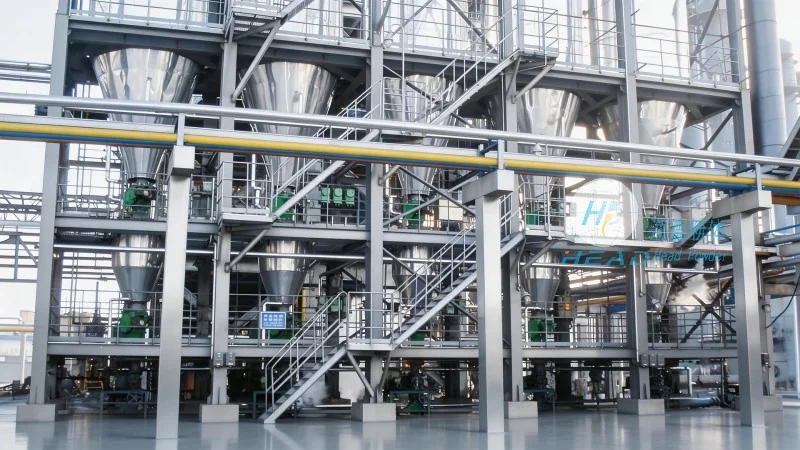
Overview of Lithium Nickel Cobalt Aluminum Oxide (LiNCA) Powder Handling
Lithium nickel cobalt aluminum oxide, commonly known as LiNCA, is a critical cathode material used in lithium-ion batteries. The efficient handling of this fine powder is essential to maintain product quality, ensure consistent performance, and enhance operational safety. The process involves several key steps and components that work in tandem to achieve reliable material transport and processing.
Working Principle of LiNCA Powder Handling Systems
The working principle of LiNCA powder handling systems typically revolves around the use of specialized equipment designed to manage the unique properties of fine powders. These systems often incorporate a combination of mechanisms such as pneumatic conveying, mechanical conveying, and material handling devices tailored to the characteristics of LiNCA. The primary goal is to move the powder from storage to processing equipment while minimizing degradation, contamination, and loss.
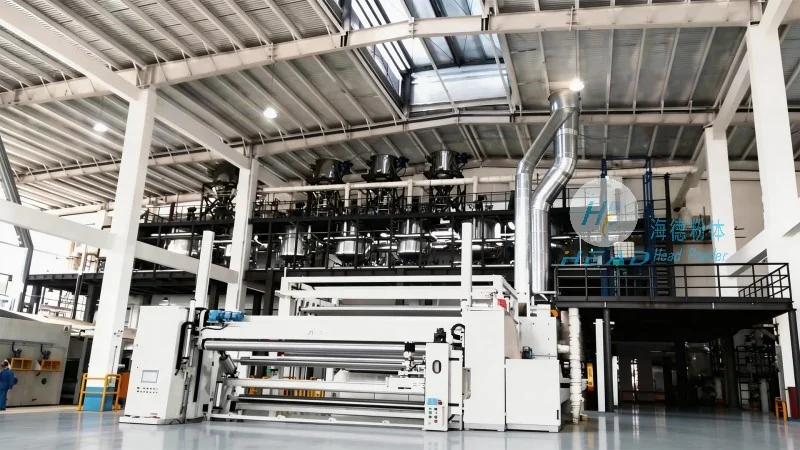
Key components in a typical LiNCA powder handling system include hoppers, feeders, conveyors, and dust collection units. Hoppers are used to store and feed the powder, while feeders regulate the flow rate to match the requirements of downstream equipment. Conveyors, such as screw conveyors or pneumatic lines, transport the powder through the system. Dust collection systems are essential to maintain air quality and prevent environmental contamination.
Key Characteristics of LiNCA Powder Handling
Several distinct characteristics define the effective handling of LiNCA powder. Firstly, the material's fine particle size and hygroscopic nature require careful control of moisture and temperature to prevent agglomeration and caking. Secondly, the abrasive properties of LiNCA can lead to wear on equipment components, necessitating the use of durable materials like stainless steel or specialized coatings. Thirdly, the need for precise dosing and uniform mixing demands high-precision control systems to ensure consistent product quality.
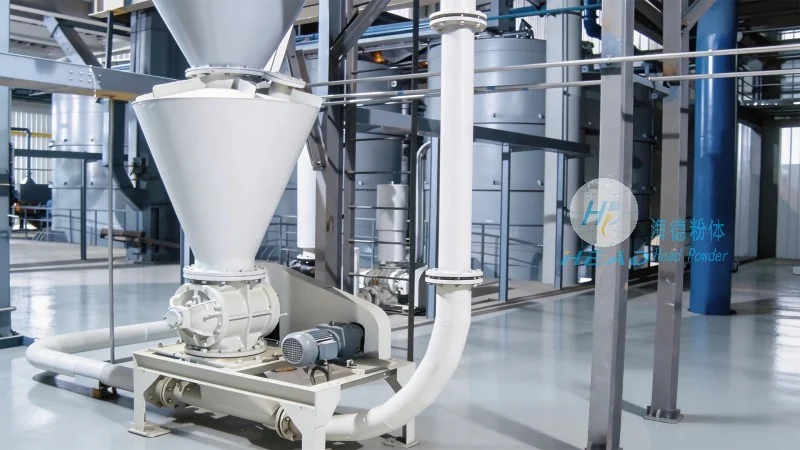
Another important characteristic is the material's sensitivity to contamination. Even trace amounts of foreign particles can affect the battery performance, making clean handling and proper maintenance critical. Additionally, the handling system must be designed to minimize dust generation and ensure compliance with occupational health and safety regulations.
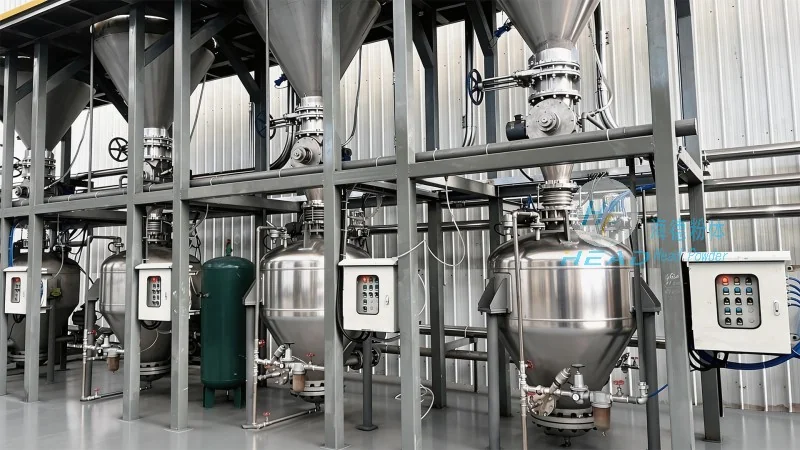
Company Profile: Shandong HeadPowder Engineering Co., Ltd.
Shandong HeadPowder Engineering Co., Ltd., operating under the brand name headpowder, specializes in the design, manufacturing, and integration of advanced powder handling solutions. With a focus on lithium battery materials, the company has developed expertise in handling fine powders like LiNCA, ensuring high efficiency and reliability in industrial applications. HeadPowder's solutions are engineered to meet the stringent requirements of modern battery manufacturing, providing customized systems that enhance productivity and product quality.
HeadPowder is committed to delivering innovative and robust powder handling technologies tailored to the specific needs of the battery industry. The company's facilities are located in Shandong, China, where it leverages local resources and expertise to support global clients in optimizing their material processing operations.