

Working Principle and Features of Tonne Bag Pneumatic Conveying Systems
When it comes to efficient material handling in industrial settings, tonne bag pneumatic conveying systems have emerged as a reliable and versatile solution. These systems are designed to transport bulk materials from one location to another using air pressure, offering a clean, dust-free, and flexible method of material transfer. The technology is backed by Shandong HeadPowder Engineering Co., Ltd., a leading manufacturer based in Shandong, China, known for its commitment to quality and innovation in material handling solutions.
Working Principle of Tonne Bag Pneumatic Conveying Systems
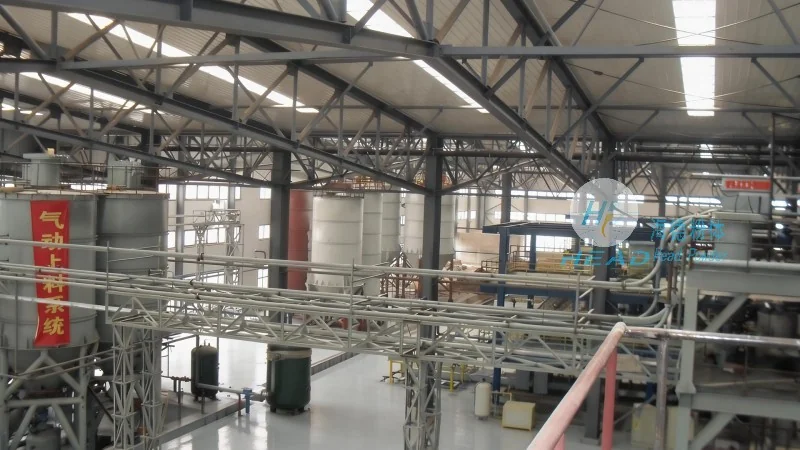
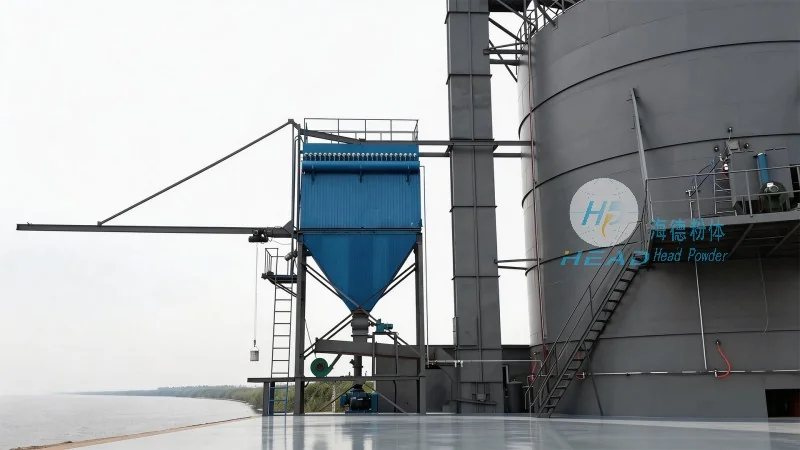
The core mechanism of a tonne bag pneumatic conveying system involves the use of air to move bulk materials through a network of pipes. The process typically begins with the loading of the material into a tonne bag, which is then placed at the inlet of the system. As air is introduced into the system, it creates a flow that pulls the material from the bag and propels it through the conveying line. The system utilizes a combination of positive and negative pressure to control the movement of the material, ensuring that it is transported smoothly and efficiently. The air flow is managed by a blower or fan, which generates the necessary pressure to overcome resistance and move the material through the system. The material is then discharged at the receiving end, where it can be collected or further processed. This method eliminates the need for mechanical components like belts or buckets, reducing maintenance and increasing operational efficiency.
Key Features of Tonne Bag Pneumatic Conveying Systems
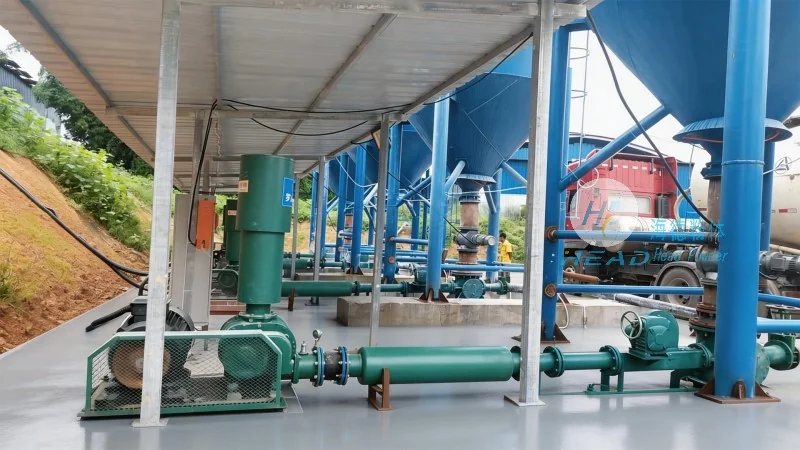
One of the standout features of tonne bag pneumatic conveying systems is their ability to handle a wide range of materials, including powders, granules, and even bulk solids. The system is highly adaptable, allowing for customization based on the specific characteristics of the material being transported. Another significant advantage is the clean and hygienic nature of the process. Since the material is conveyed through enclosed pipes, there is minimal risk of contamination or dust exposure, making it suitable for applications in food, pharmaceutical, and chemical industries. The systems also offer flexibility in terms of layout and installation, as they can be configured to fit various plant designs and space constraints. Additionally, tonne bag pneumatic conveying systems are energy-efficient, with lower operational costs compared to traditional methods. The use of air as the primary medium reduces wear and tear on equipment, leading to longer service life and reduced downtime. Furthermore, these systems are easy to maintain, with simple components that can be easily accessed and serviced. The overall design is compact, which helps in optimizing space within industrial facilities. The systems also provide consistent and reliable performance, ensuring that material is delivered on time and in the required quantity.
Applications and Benefits in Industrial Settings
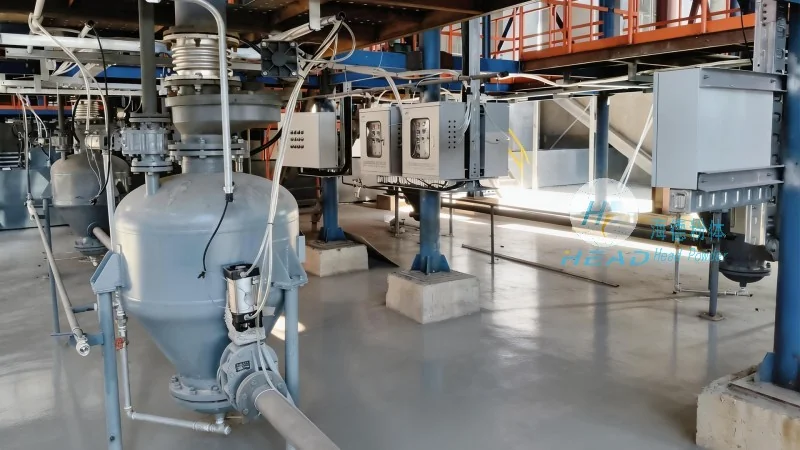
Tonne bag pneumatic conveying systems find applications in numerous industries, including food processing, pharmaceutical manufacturing, chemical production, and mining. In the food industry, they are used to transport ingredients such as flour, sugar, and spices, maintaining hygiene standards and preventing contamination. In pharmaceuticals, the systems are crucial for handling active pharmaceutical ingredients (APIs) and other sensitive materials, ensuring that they are handled in a controlled environment. The chemical industry benefits from the ability to transport hazardous materials safely, as the enclosed system prevents leaks and exposure. Mining operations use these systems to move bulk materials like ore and coal from one part of the facility to another, improving efficiency and reducing labor costs. The benefits of using tonne bag pneumatic conveying systems extend beyond just material handling. They contribute to improved workplace safety by eliminating manual handling of heavy bags and reducing dust-related health risks. The systems also enhance productivity by automating the material transfer process, allowing workers to focus on other tasks. Additionally, the clean and efficient operation of these systems helps in maintaining compliance with environmental regulations, as they minimize waste and emissions.