

What is Iron Oxide Material Pneumatic Conveying Equipment? What is the Design Principle?
Iron oxide is a widely used industrial material, and the efficient handling of such powders is crucial for various production processes. Pneumatic conveying equipment has emerged as a key solution for transporting iron oxide materials, offering advantages like dust-free operation, flexibility, and the ability to handle fine powders. This article explores the concept of iron oxide material pneumatic conveying equipment and delves into its design principles, highlighting the technical aspects and practical applications.
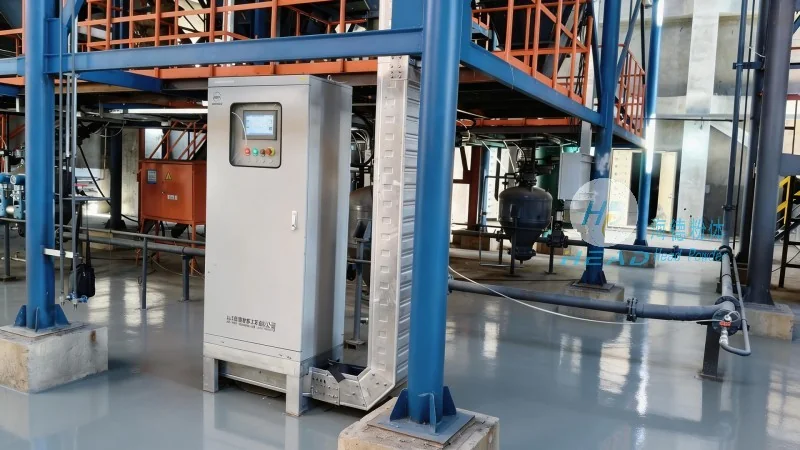
Overview of Iron Oxide Material Pneumatic Conveying Equipment
Pneumatic conveying systems are designed to transport bulk materials, such as iron oxide, through the use of compressed air or other gases. These systems are particularly suitable for iron oxide because of its fine particle size and potential for dust generation. The equipment typically consists of a hopper, a conveyor line, and a receiver, with the entire system operating under controlled pressure and airflow. The company, Shandong HeadPowder Engineering Co., Ltd., specializes in the design and manufacturing of such pneumatic conveying solutions, ensuring high efficiency and reliability for iron oxide handling applications.
Key Design Principles for Iron Oxide Pneumatic Conveying
The design of iron oxide material pneumatic conveying equipment follows several critical principles to ensure optimal performance. First, the system must maintain a consistent airflow to prevent material buildup and ensure smooth transport. Second, the equipment is engineered to handle the specific properties of iron oxide, including its density, flowability, and potential for agglomeration. Third, the design incorporates features to minimize pressure drops and energy consumption, making the system cost-effective and environmentally friendly. The company’s engineers at Shandong HeadPowder Engineering Co., Ltd. apply advanced engineering techniques to develop customized solutions that meet the unique requirements of iron oxide processing industries.
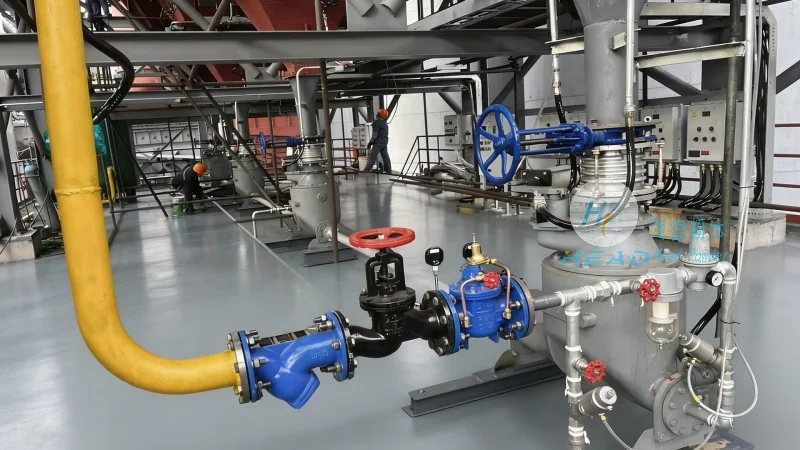
Components and Operation of the Pneumatic Conveying System
The pneumatic conveying system for iron oxide typically includes several key components. The hopper is used to store the iron oxide material, with a discharge valve to control the flow rate. The conveyor line, often made of stainless steel or other corrosion-resistant materials, transports the material from the hopper to the receiver. The receiver is equipped with a filter system to capture any fine particles and ensure clean air discharge. The system operates by introducing compressed air into the conveyor line, creating a pressure differential that moves the iron oxide particles. The company’s equipment is designed with durable materials and advanced control systems to ensure consistent performance and minimal maintenance.
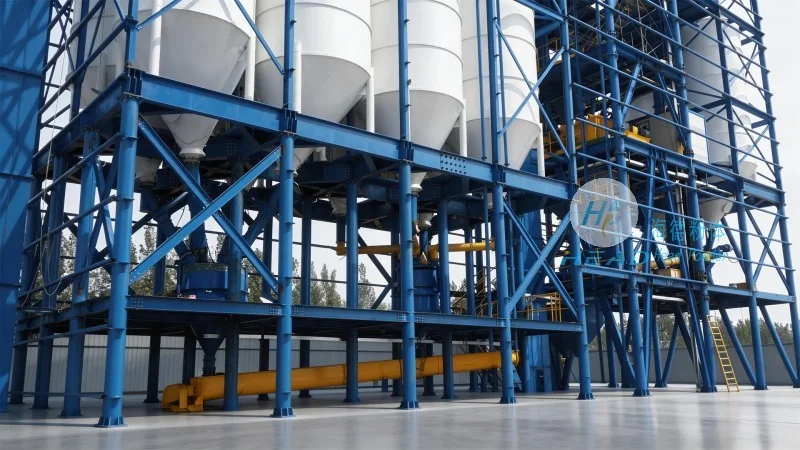
Advantages of Using Pneumatic Conveying for Iron Oxide
Compared to traditional conveying methods like belt conveyors or bucket elevators, pneumatic conveying offers several advantages for iron oxide handling. These include dust-free operation, which enhances workplace safety and reduces environmental impact. The system also provides flexibility in terms of layout and can handle materials in different forms, such as powders or granules. Additionally, pneumatic conveying systems are compact and can be integrated into existing production lines without major modifications. The company, Shandong HeadPowder Engineering Co., Ltd., emphasizes these benefits in its product offerings, providing customized solutions that enhance operational efficiency and reduce costs for clients.
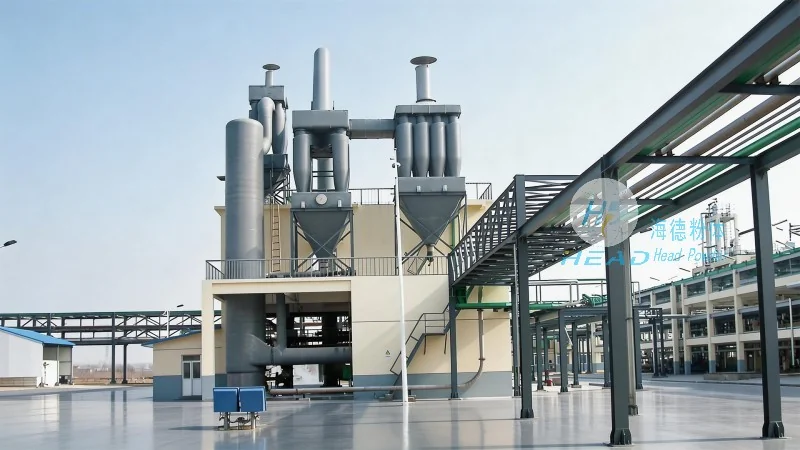
Customization and Application in Industrial Settings
Shandong HeadPowder Engineering Co., Ltd. understands that each iron oxide processing facility has unique requirements. Therefore, the company offers customized pneumatic conveying equipment tailored to specific production needs. The design process involves thorough analysis of the material properties, production volume, and operational conditions to ensure the system meets all requirements. The company’s engineers work closely with clients to develop solutions that optimize material handling, reduce downtime, and improve overall productivity. The equipment is suitable for various industrial applications, including chemical manufacturing, mining, and food processing, where iron oxide is used as a pigment or additive.
Conclusion
In conclusion, iron oxide material pneumatic conveying equipment is a vital component in modern industrial processes, providing efficient and safe handling of fine powders. The design principles and components of such systems are carefully engineered to ensure optimal performance and reliability. Shandong HeadPowder Engineering Co., Ltd., with its expertise and commitment to quality, offers advanced pneumatic conveying solutions that meet the demands of iron oxide processing industries. By understanding the technical aspects and benefits of these systems, industries can enhance their operational efficiency and achieve better results in their production processes.