

What is a Glutinous Rice Material Pneumatic Conveying Equipment? And What Are Its Design Principles?
Glutinous rice, also known as sticky rice, is a staple in many Asian cuisines and is widely used in food processing, pharmaceuticals, and other industries. The efficient handling and transportation of glutinous rice from one processing stage to another is crucial for maintaining product quality and operational efficiency. Pneumatic conveying equipment has emerged as a reliable solution for this purpose, especially when dealing with delicate or sticky materials like glutinous rice. This article explores the concept of a glutinous rice material pneumatic conveying system, its design principles, and the key factors that make it an effective choice for various industrial applications.
Understanding Glutinous Rice Material Pneumatic Conveying Equipment
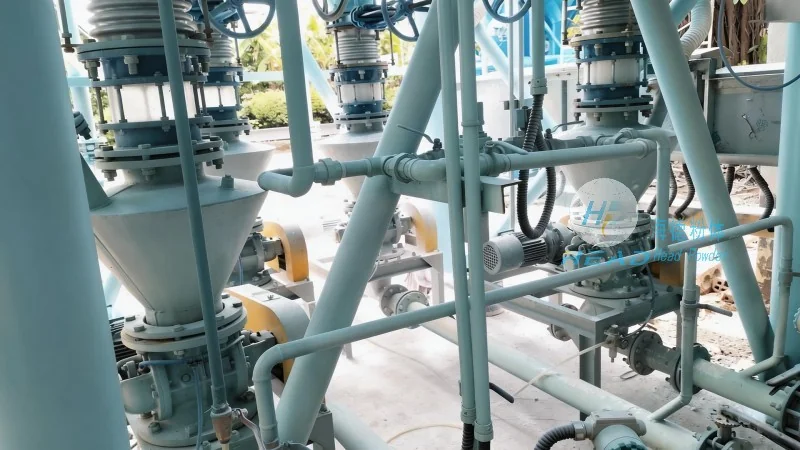
A glutinous rice material pneumatic conveying system is a mechanical device that uses compressed air or other gas to transport bulk materials, in this case, glutinous rice, from a source to a destination. Unlike traditional methods such as belt conveyors or bucket elevators, pneumatic conveying offers several advantages, including the ability to handle fine or sticky powders without causing product degradation, minimal product contamination, and the flexibility to transport materials over long distances or through complex layouts. The system typically consists of a hopper for material storage, a feeder to control the flow rate, a conveying line (often with bends and filters), and a receiver for the discharged material.
Key Components of the Pneumatic Conveying System
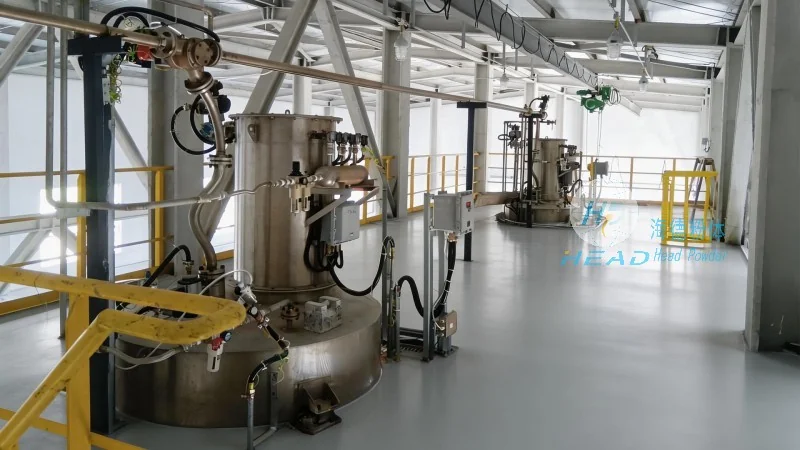
Several critical components work together to ensure the smooth operation of a glutinous rice pneumatic conveying system. The first is the material hopper, which stores the glutinous rice and provides a consistent feed to the feeder. The feeder, often a rotary valve or a screw feeder, regulates the flow of rice into the conveying line, preventing overloading and ensuring a steady supply. The conveying line itself is made of materials resistant to the abrasive and sticky nature of glutinous rice, such as stainless steel or specialized plastics. It may include various components like bends, elbows, and filters to maintain air flow and prevent material buildup. The receiver is the final component, where the conveyed rice is collected and stored for further processing. Additionally, the system may include a dust collector to capture any airborne particles and a control panel to monitor and adjust the operation parameters.
Design Principles for Efficient Glutinous Rice Conveying
The design of a glutinous rice pneumatic conveying system is based on several key principles to ensure optimal performance and reliability. The first principle is the selection of the appropriate conveying velocity. The velocity must be high enough to prevent material settling in the line but low enough to avoid excessive wear and tear on the equipment. For glutinous rice, a typical conveying velocity ranges from 20 to 30 meters per second, depending on the material's properties and the system's configuration. The second principle is the proper design of the hopper and feeder to minimize material bridging and segregation. Glutinous rice has a tendency to stick together, which can cause blockages in the hopper. Therefore, the hopper is often equipped with a vibratory or mechanical agitator to break up clumps and ensure uniform feeding. The feeder is also designed with a self-cleaning mechanism to prevent material accumulation and maintain consistent flow rates.
Advantages of Using Pneumatic Conveying for Glutinous Rice
Implementing a pneumatic conveying system for glutinous rice offers numerous benefits that enhance both product quality and operational efficiency. One of the primary advantages is the prevention of product contamination. Unlike mechanical conveyors that may come into direct contact with the material, pneumatic systems use air as the medium, reducing the risk of cross-contamination from other products or equipment. This is particularly important in food processing applications where hygiene standards are stringent. Another advantage is the ability to handle sticky or fine materials without causing damage. Glutinous rice particles are delicate and can be easily broken or crushed by mechanical forces. Pneumatic conveying uses air pressure to move the material, minimizing the risk of product degradation and maintaining its quality. Additionally, the system allows for flexible layout designs, as the conveying line can be installed in various configurations, including vertical, horizontal, or a combination of both, to suit the specific needs of the processing facility. This flexibility reduces the need for extensive reconfiguration during facility expansions or changes in production processes.
Considerations for System Maintenance and Durability
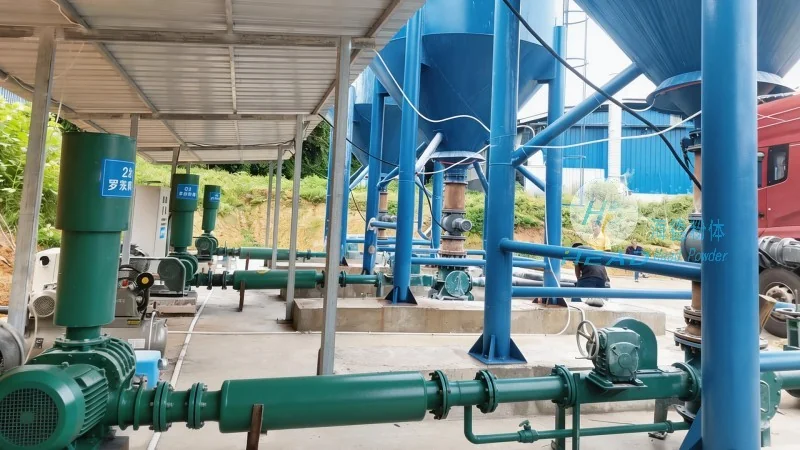
While pneumatic conveying systems offer many advantages, proper maintenance is essential to ensure long-term reliability and performance. The components that come into direct contact with glutinous rice, such as the hopper, feeder, and conveying line, must be made of materials that resist corrosion and wear. Stainless steel is commonly used for these parts due to its durability and resistance to the acidic or sticky nature of the material. Regular cleaning and inspection of the system are also crucial to prevent material buildup and maintain air flow efficiency. The filters and dust collectors should be checked and replaced regularly to avoid clogging, which can reduce the system's capacity and increase energy consumption. Additionally, the control system should be monitored to ensure that the pressure and flow rates are within the optimal range. Any deviations from the normal operating parameters should be addressed promptly to prevent system failures or product quality issues.
Conclusion
In conclusion, a glutinous rice material pneumatic conveying equipment is a sophisticated and efficient system designed to handle the unique challenges of transporting sticky and delicate materials like glutinous rice. The design principles, including appropriate conveying velocity, effective hopper and feeder design, and durable component selection, ensure that the system operates reliably and maintains product quality. The advantages of using such a system, including reduced contamination, minimal product damage, and flexible layout options, make it an ideal choice for various industrial applications. As the demand for efficient and hygienic material handling solutions continues to grow, the use of pneumatic conveying systems for glutinous rice and other similar materials is likely to become even more prevalent. Shandong HeadPowder Engineering Co., Ltd., a leading manufacturer based in China, specializes in designing and manufacturing high-quality pneumatic conveying systems tailored to the specific needs of the food and processing industries.