

What is a Sintered Dust Powder Pneumatic Conveying Equipment? What is its Design Principle?
For industrial applications involving the handling of sintered dust and powder materials, the selection of an appropriate pneumatic conveying system is crucial. This equipment, often referred to as a sintered dust powder pneumatic conveying system, is designed to efficiently transport fine particulate materials through a pipeline using air or gas as the conveying medium. Understanding both the equipment itself and its underlying design principles is essential for optimizing material handling processes in various industrial settings. The expertise in this field is exemplified by companies such as Shandong HeadPowder Engineering Co., Ltd., a leading manufacturer based in China, dedicated to providing high-quality solutions for material handling challenges.
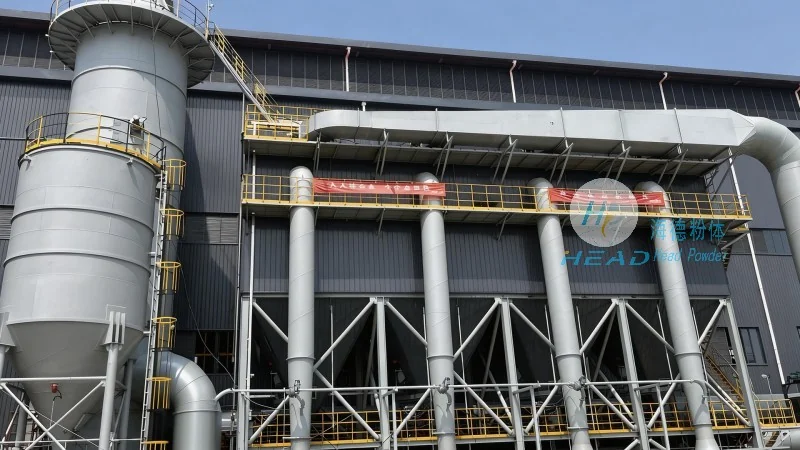
Key Components of the Sintered Dust Powder Pneumatic Conveying System
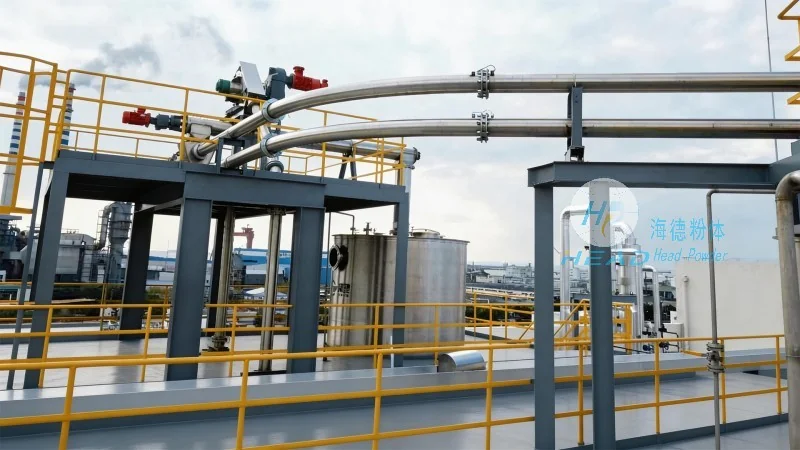
The sintered dust powder pneumatic conveying equipment typically consists of several key components that work in tandem to ensure effective material transport. These components include a material feed hopper, a rotary airlock valve, a conveying pipeline, a dust separator or filter, and a discharge outlet. The material feed hopper is responsible for storing the sintered dust or powder, while the rotary airlock valve controls the flow of material into the pipeline, preventing backflow and maintaining consistent material delivery. The conveying pipeline, often made of materials like stainless steel or plastic, transports the material and air mixture. The dust separator or filter is critical for capturing fine particles and ensuring clean air discharge, which is essential for compliance with environmental regulations and maintaining system efficiency. The discharge outlet allows the processed material to be released into the next stage of the production process.
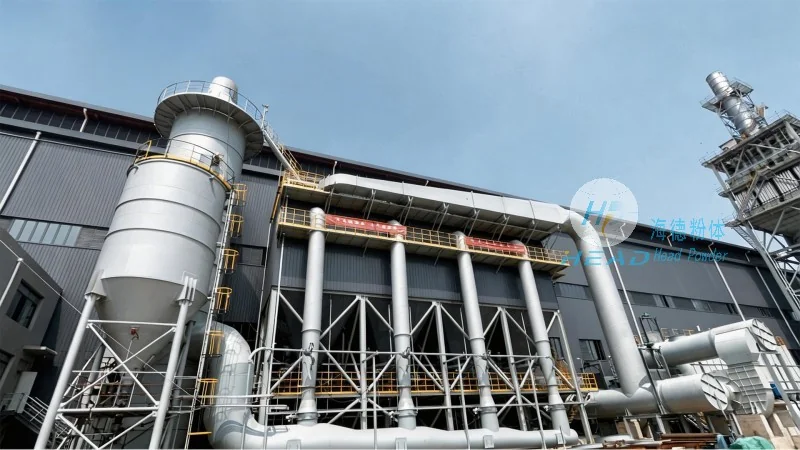
Design Principles Behind the Sintered Dust Powder Pneumatic Conveying Equipment
The design of a sintered dust powder pneumatic conveying system is based on several fundamental principles to ensure optimal performance and efficiency. One of the primary design principles is the selection of the appropriate conveying velocity, which is determined by the material's properties such as particle size, density, and moisture content. The conveying velocity must be high enough to prevent material settling or clogging in the pipeline but low enough to minimize wear and energy consumption. Another key principle is the use of a consistent air flow rate, which is controlled by a blower or compressor to maintain the desired pressure and flow within the system. The system's design also considers the need for proper material segregation and flow control to prevent blockages and ensure smooth operation. Additionally, the equipment is engineered to handle varying material loads and flow rates, making it adaptable to different production requirements. The integration of these design principles ensures that the sintered dust powder pneumatic conveying equipment operates reliably and efficiently, minimizing downtime and maximizing productivity.
Applications and Benefits of Sintered Dust Powder Pneumatic Conveying Equipment
The sintered dust powder pneumatic conveying equipment is widely used in various industrial applications where the handling of fine particulate materials is required. These applications include the cement, chemical, food, and pharmaceutical industries, among others. The primary benefits of using this equipment include improved material handling efficiency, reduced labor costs, and enhanced safety compared to traditional methods like manual handling or mechanical conveying. The system also helps in maintaining a clean and dust-free environment, which is crucial for industries with strict environmental regulations. Furthermore, the equipment can handle a wide range of material types and particle sizes, making it a versatile solution for different production needs. The consistent and controlled transport of materials also helps in maintaining product quality and reducing waste, contributing to overall operational efficiency.
Conclusion
In conclusion, the sintered dust powder pneumatic conveying equipment is a vital component in modern industrial material handling processes. Its design, based on fundamental principles of fluid dynamics and material science, ensures efficient and reliable transport of sintered dust and powder materials. The equipment, manufactured by companies like Shandong HeadPowder Engineering Co., Ltd. based in China, is engineered to meet the specific needs of various industrial applications, providing solutions that enhance productivity, safety, and environmental compliance. Understanding the components and design principles of this equipment is essential for industries seeking to optimize their material handling operations and improve overall efficiency.