

What is the Pneumatic Conveying of Chromium(III) Oxide Powder? And What Are Its Design Principles?
Chromium(III) oxide, also known as chromium sesquioxide, is a widely used inorganic compound with applications in various industries, including pigments, catalysts, and electronic materials. The efficient handling and transportation of this fine powder is crucial for industrial processes, and pneumatic conveying has emerged as a preferred method for such applications. This article explores the concept of pneumatic conveying for chromium(III) oxide powder and delves into the design principles that underpin its effective implementation.
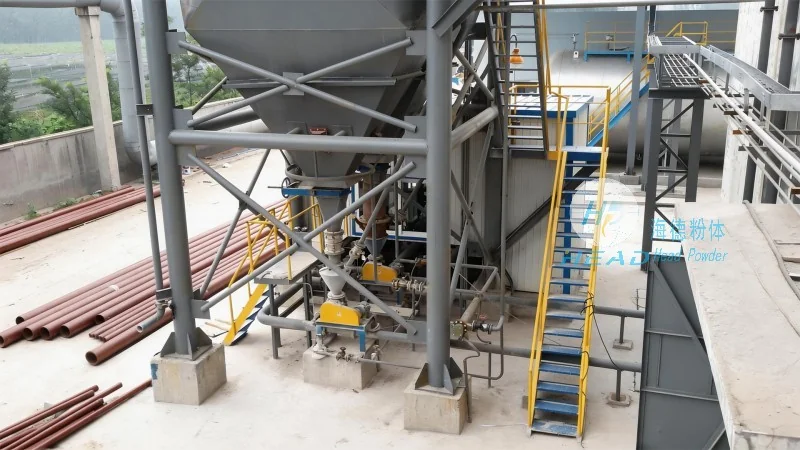
Understanding Pneumatic Conveying of Chromium(III) Oxide Powder
Pneumatic conveying is a technology that uses pressurized air or gas to transport solid particles through a pipeline. In the context of chromium(III) oxide powder, this method offers several advantages over traditional mechanical conveying systems. It eliminates the need for moving parts like screws or belts, reducing maintenance requirements and minimizing the risk of contamination. Additionally, pneumatic conveying can handle fine powders with high efficiency, ensuring consistent flow rates and preventing particle degradation.
The Role of HeadPowder in Pneumatic Conveying Solutions
Shandong HeadPowder Engineering Co., Ltd., a leading provider of powder handling solutions, specializes in designing and manufacturing pneumatic conveying systems tailored to the unique requirements of chromium(III) oxide powder. With a strong focus on material science and engineering, HeadPowder has developed advanced systems that optimize the conveying process while maintaining product integrity. The company's expertise lies in selecting the appropriate air velocity, pipeline diameter, and pressure levels to ensure reliable and efficient transport of chromium(III) oxide powder.
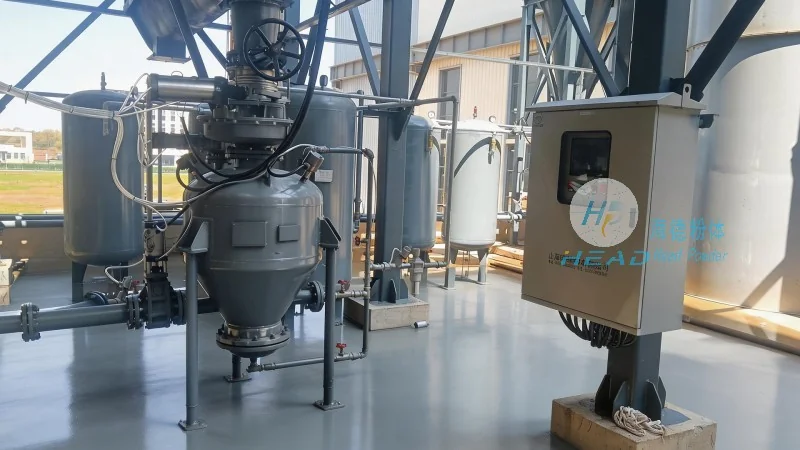
Key Design Principles for Pneumatic Conveying Systems
The success of a pneumatic conveying system for chromium(III) oxide powder depends on several critical design principles. First, the air velocity must be sufficient to overcome the gravitational force acting on the particles and to maintain a stable flow. Typically, air velocities range from 20 to 30 meters per second for fine powders like chromium(III) oxide, ensuring that particles remain suspended in the air stream. Second, the pipeline diameter and length are carefully selected to minimize pressure drop and energy consumption. A larger diameter reduces friction losses, while the length is optimized to avoid excessive pressure buildup or particle segregation.
Material Selection and System Components
Another crucial aspect of pneumatic conveying design is the selection of appropriate materials for the system components. Chromium(III) oxide is a corrosive material, and the conveying system must be constructed from materials that resist chemical attack, such as stainless steel or specialized alloys. The system typically includes a hopper for material storage, a feeder to control the flow rate, a pipeline network, and a receiver for the discharged powder. Each component is designed to handle the specific properties of chromium(III) oxide, ensuring durability and long-term performance.
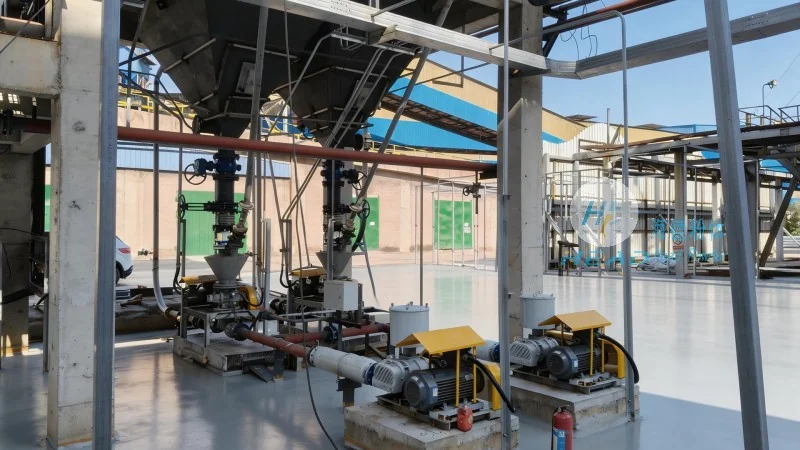
Advantages and Challenges of Pneumatic Conveying
Pneumatic conveying offers numerous benefits for chromium(III) oxide powder handling, including high efficiency, low maintenance, and the ability to transport materials over long distances. However, it also presents challenges, such as the need for proper dust collection systems to prevent air pollution and the risk of particle segregation during transport. HeadPowder addresses these challenges by integrating advanced filtration and separation technologies into their systems, ensuring compliance with environmental regulations and maintaining product quality.
Applications and Future Developments
The pneumatic conveying of chromium(III) oxide powder is widely used in industries such as pigments manufacturing, where the compound is used as a green pigment in paints and coatings. It is also employed in the production of catalysts and electronic components, where precise control over powder flow is essential. As technology advances, HeadPowder continues to innovate, developing more efficient and sustainable pneumatic conveying solutions that meet the evolving needs of the industry. The company's commitment to research and development ensures that its systems remain at the forefront of powder handling technology.