

What is Heavy Calcium Powder Material Handling Equipment? And What Are Its Design Principles?
Heavy calcium powder, also known as heavy calcium carbonate, is a widely used industrial material in various sectors such as plastics, coatings, and paper. The efficient and reliable transportation of this fine powder is crucial for maintaining production efficiency and product quality. This article explores the key aspects of heavy calcium powder material handling equipment, focusing on its design principles and operational considerations.
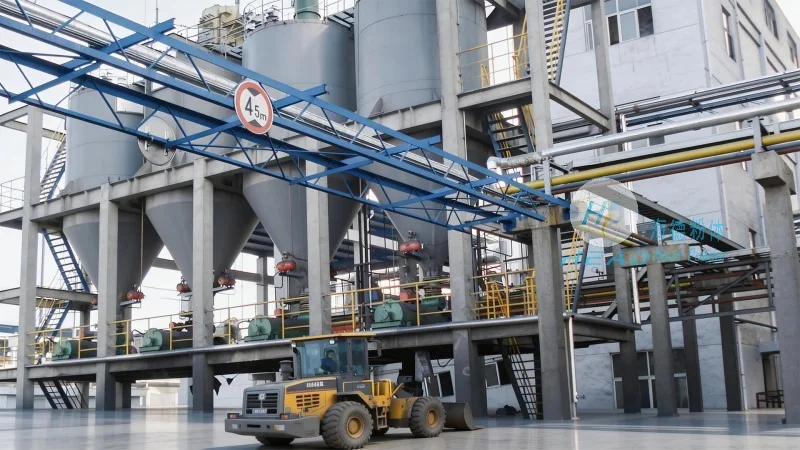
Understanding Heavy Calcium Powder Material Handling Equipment
Heavy calcium powder material handling equipment is specifically engineered to handle the unique properties of heavy calcium powder, which includes its fine particle size, low bulk density, and tendency to form agglomerates. These characteristics make conventional bulk material handling systems less effective, necessitating specialized equipment designed to minimize material degradation and ensure smooth flow. The primary goal of such equipment is to transport the powder from storage silos or processing units to the point of use without compromising its quality or causing operational inefficiencies.
Key Design Principles for Heavy Calcium Powder Handling Systems
The design of heavy calcium powder material handling equipment revolves around several critical principles aimed at optimizing performance and reliability. One of the most important considerations is the prevention of material degradation, which can occur due to friction, impact, or excessive air flow. To address this, equipment often incorporates features like smooth, wear-resistant surfaces, gentle material flow paths, and controlled air movement. For instance, pneumatic conveying systems use low-velocity air to minimize particle breakage, while mechanical conveyors employ slow-moving components to reduce frictional forces.
Another critical design principle is the management of material flow and pressure. Heavy calcium powder can be prone to bridging and caking in storage silos or transfer points, which can lead to blockages and downtime. Equipment designers incorporate features like agitators, vibrators, and air knives to prevent these issues and ensure consistent material flow. Additionally, the design must consider the material's dustiness and potential for static accumulation, as these factors can affect safety and equipment performance. Proper grounding and anti-static measures are therefore integrated into the system to mitigate these risks.
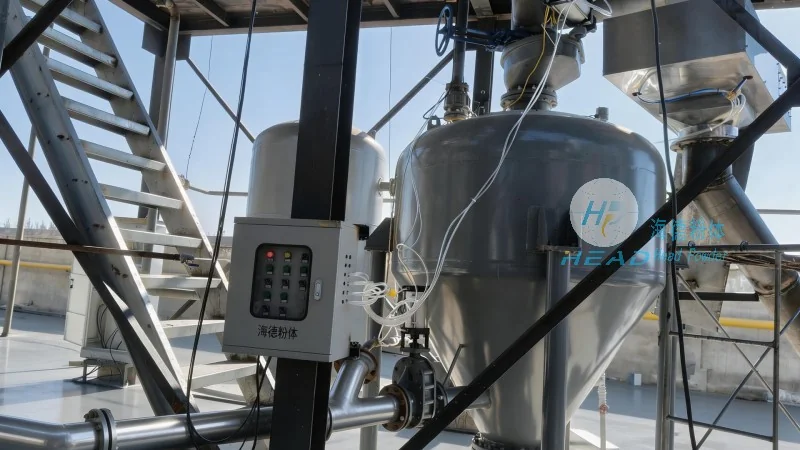
Components and Functionalities of Heavy Calcium Powder Handling Equipment
Heavy calcium powder material handling systems typically consist of several key components working in tandem to achieve efficient material transport. These components include storage silos, feeders, conveyors, and discharge units. The storage silo is designed to hold large quantities of the powder while maintaining its quality, often equipped with internal agitators or air circulation systems to prevent caking. The feeder, which may be a rotary valve or a screw feeder, regulates the flow of powder from the silo to the conveyor system, ensuring a consistent and controlled discharge rate.
The conveyor system is the core of the material handling equipment, responsible for transporting the powder from the feeder to the processing or packaging area. Pneumatic conveying systems use air to move the powder through pipes, while mechanical conveyors such as belt or screw conveyors use mechanical motion. The choice of conveyor type depends on factors like the distance to be covered, the required flow rate, and the material's properties. For heavy calcium powder, pneumatic systems are often preferred for their ability to handle fine powders over long distances without significant degradation.
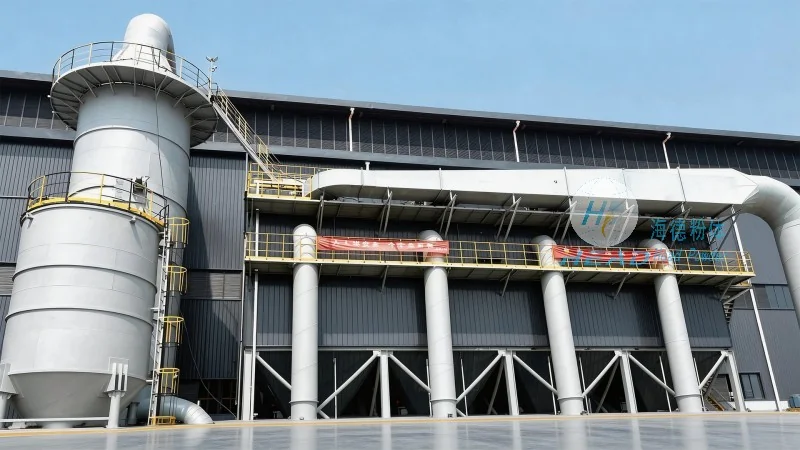
The discharge unit at the end of the conveyor system ensures that the powder is delivered to the next stage of the process or to packaging equipment without spillage or loss. This component may include a hopper or a rotary valve that controls the final discharge rate. Additionally, the system may include dust collection and filtration components to manage airborne particles and ensure compliance with environmental regulations.
Operational Considerations and Maintenance
Proper operation and maintenance of heavy calcium powder material handling equipment are essential for maximizing its lifespan and performance. Regular inspection of components such as feeders, conveyors, and silos is necessary to detect and address issues like wear, clogging, or material buildup. The use of wear-resistant materials for components that come into direct contact with the powder, such as the interior of silos and conveyor belts, is crucial to extend the equipment's service life. Additionally, maintaining proper air pressure and flow rates in pneumatic systems is vital for consistent material transport and to prevent system failures.
Training operators on the proper use and maintenance of the equipment is also a key operational consideration. This includes understanding how to adjust feeder settings, monitor system pressures, and respond to common issues like blockages or dust buildup. Regular cleaning of the system, particularly the conveyor and silo interiors, helps prevent material accumulation and ensures smooth operation. By adhering to these operational guidelines, companies can ensure that their heavy calcium powder material handling equipment operates efficiently and reliably, supporting their production processes and maintaining product quality.