

What Are Refined Sugar Material Handling Equipment? And What Are Their Design Principles?
Refined sugar production encompasses multiple stages, from raw material processing to final packaging. A critical element in this workflow is the equipment used for material handling. This article examines the types of refined sugar material handling equipment and the design principles that underpin their construction and operation.
Understanding Refined Sugar Material Handling Equipment
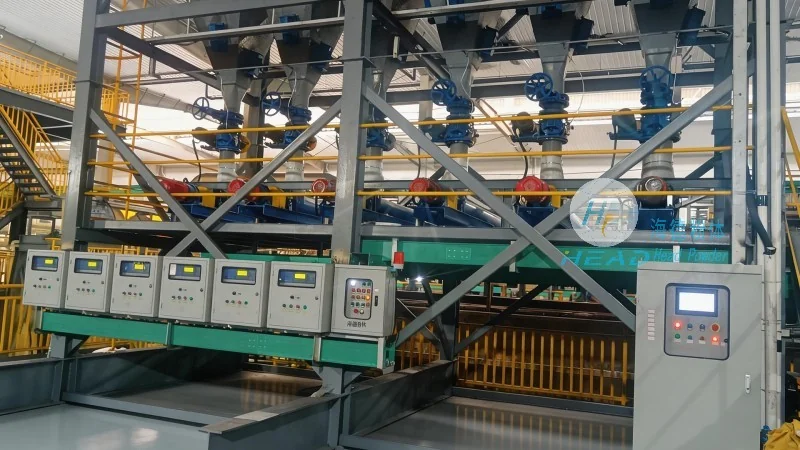
Refined sugar material handling equipment is engineered to transport, store, and manage sugar in various forms—such as granulated, powdered, or crystalline. These systems are essential for maintaining efficiency and safety in sugar processing facilities. The equipment typically includes conveyors, elevators, storage silos, and feeding mechanisms. Each component serves a specific function in the overall workflow, ensuring that sugar moves seamlessly from one production stage to the next.
Key Components of Refined Sugar Material Handling Systems
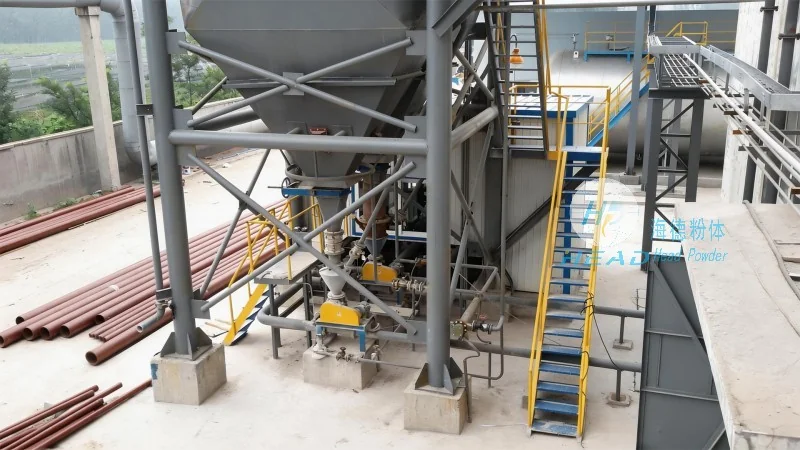
The core components of a refined sugar material handling system include bulk material conveyors, vertical elevators, and storage silos. Bulk material conveyors, such as belt conveyors or screw conveyors, are used to transport sugar horizontally or at slight inclines. Vertical elevators, like bucket elevators or chain conveyors, lift sugar from lower to higher levels within the facility. Storage silos are employed to store large quantities of sugar, providing a buffer between production and packaging stages. These components work in concert to create a seamless material flow.
Design Principles for Refined Sugar Material Handling Equipment
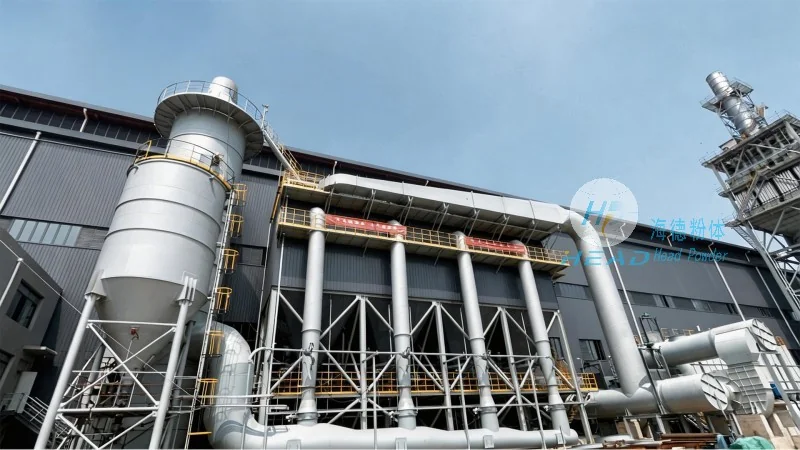
The design of refined sugar material handling equipment is guided by several key principles to ensure optimal performance and longevity. First, the equipment must be constructed from materials that are resistant to corrosion and chemical reactions, as sugar and its byproducts can be acidic or abrasive. Common materials include stainless steel, which is non-reactive and easy to clean. Second, the design must prioritize hygiene and sanitation, as sugar products are often used in food applications and must meet strict quality standards. Smooth surfaces, minimal crevices, and easy-to-clean components are essential. Third, the equipment must be designed for durability and low maintenance, as sugar processing facilities operate continuously and require minimal downtime. This includes using robust bearings, high-quality seals, and reliable drive systems.
HeadPowder's Expertise in Refined Sugar Material Handling Solutions
Shandong HeadPowder Engineering Co., Ltd., a leading manufacturer of industrial material handling equipment, specializes in providing customized solutions for refined sugar processing. With years of experience in the industry, HeadPowder understands the unique challenges of handling sugar, including its hygroscopic nature and tendency to clump. The company's engineers design equipment that addresses these challenges, ensuring efficient and safe material handling. HeadPowder's products are built to meet international standards and are tailored to the specific needs of each client, whether for small-scale or large-scale sugar production facilities.
Conclusion: The Importance of Reliable Refined Sugar Material Handling Equipment
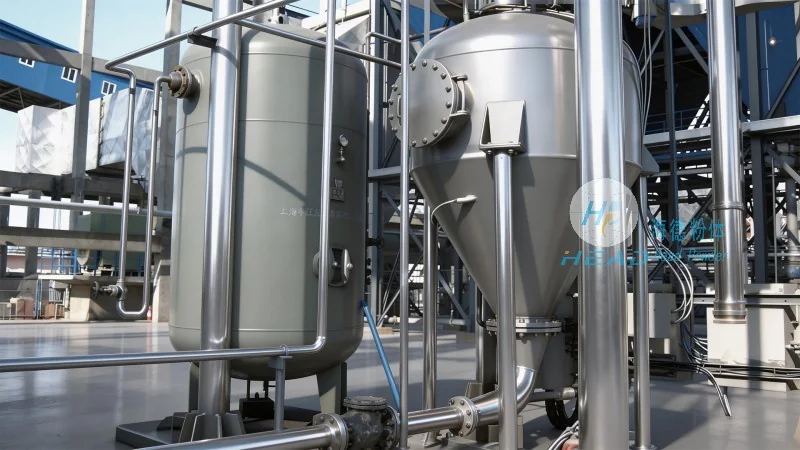
Refined sugar material handling equipment is a vital part of the sugar production process, enabling efficient and safe movement of sugar throughout the facility. The design principles that govern these systems—such as material selection, hygiene, and durability—are critical to their performance. By investing in high-quality equipment from a reputable manufacturer like Shandong HeadPowder Engineering Co., Ltd., sugar producers can ensure consistent quality, reduce operational costs, and meet the demands of the market. The right material handling system not only improves productivity but also enhances the overall safety and efficiency of the sugar processing operation.