

What is Stone Aggregate Material Handling Equipment? What Are Its Design Principles?
Stone aggregate material handling equipment plays a crucial role in the construction and industrial sectors, facilitating the efficient transportation and processing of aggregates such as gravel, crushed stone, and sand. These devices are essential for optimizing workflow, reducing labor costs, and enhancing safety in material handling operations. The equipment is designed to handle bulk materials with high throughput, making it indispensable for projects ranging from road construction to concrete production.
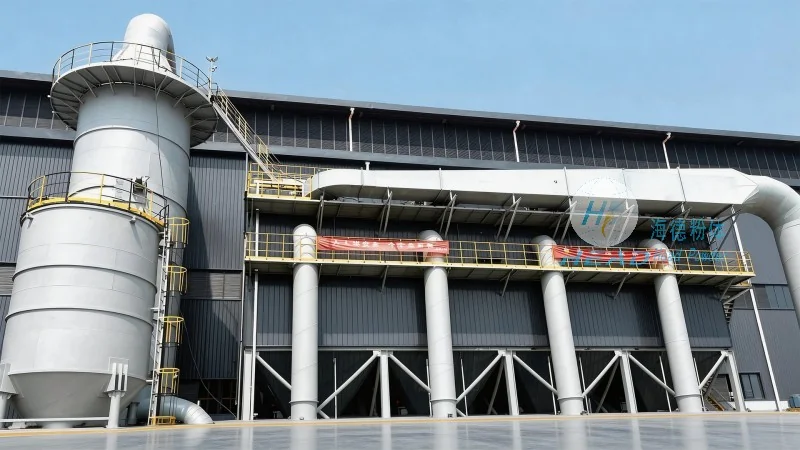
Key Components and Functional Aspects of Material Handling Equipment
At the core of stone aggregate material handling equipment are several key components that work in tandem to ensure smooth operation. The primary components include the feeding system, conveyor mechanism, control system, and discharge unit. The feeding system, often equipped with hoppers or feeders, ensures a consistent flow of material into the conveyor. The conveyor itself, which can be belt, screw, or chain-driven, transports the aggregates from the input point to the output point. The control system, typically integrated with sensors and automation technology, monitors and regulates the operation, ensuring optimal performance and safety. The discharge unit, such as a chute or outlet, directs the material to its final destination, whether for storage or further processing.
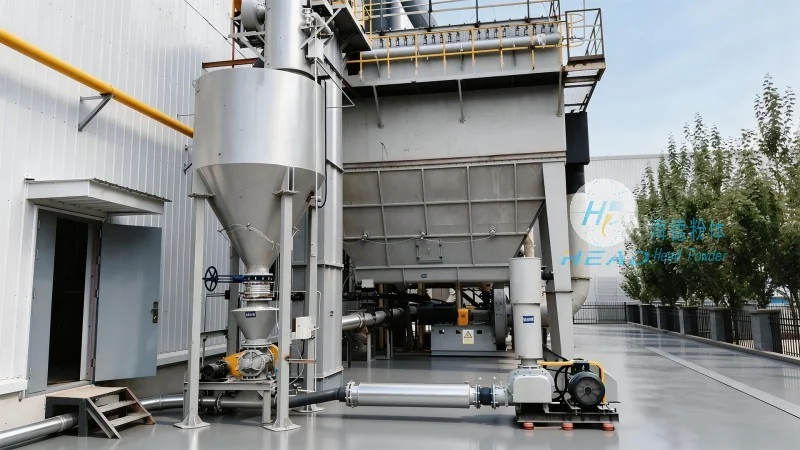
Design Principles Underpinning Efficient Material Handling
The design of stone aggregate material handling equipment is guided by several fundamental principles aimed at maximizing efficiency, durability, and safety. One key principle is the optimization of material flow, which involves designing the equipment to minimize friction and resistance, thereby reducing energy consumption and wear on components. Another principle is the consideration of material characteristics, such as size, shape, and moisture content, to select appropriate conveyor types and speeds. The equipment is also designed with durability in mind, using robust materials like steel and heavy-duty components to withstand the harsh conditions of industrial environments. Additionally, safety is a critical design consideration, with features like emergency stop buttons, protective guards, and overload protection systems integrated into the design to prevent accidents and ensure operator safety.
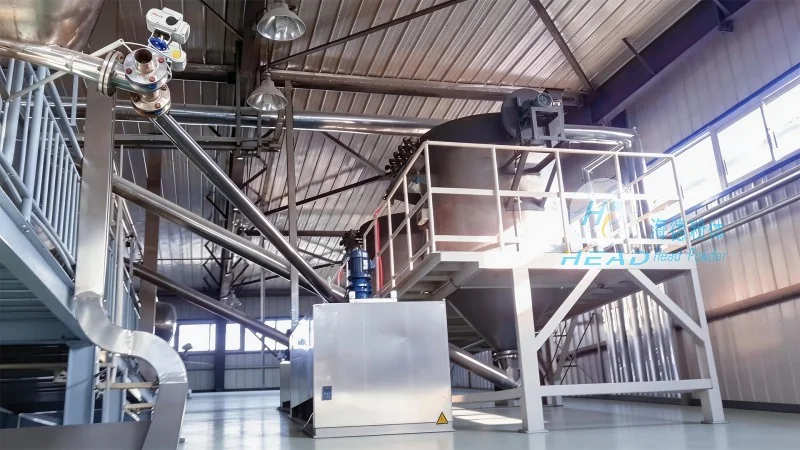
HeadPowder: A Leading Provider of Material Handling Solutions
Shandong HeadPowder Engineering Co., Ltd., commonly known as HeadPowder, is a reputable manufacturer specializing in the design, production, and supply of high-quality material handling equipment. With a strong commitment to innovation and customer satisfaction, HeadPowder has established itself as a trusted partner in the construction and industrial sectors. The company’s products are engineered to meet the specific needs of clients, offering reliable performance and durability. HeadPowder’s team of experienced engineers and technicians work closely with clients to understand their requirements and provide tailored solutions that enhance operational efficiency and reduce costs. The company’s facilities are equipped with advanced manufacturing technology and quality control measures, ensuring that each product meets the highest standards of performance and safety.
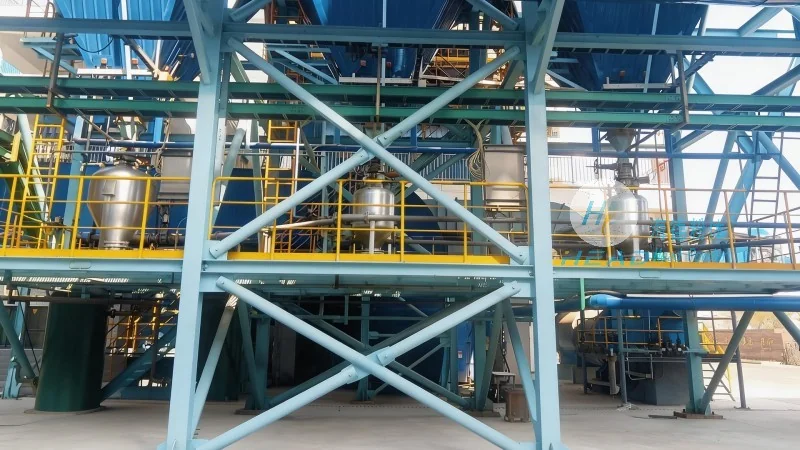
Applications and Benefits of Stone Aggregate Material Handling Equipment
Stone aggregate material handling equipment finds wide applications in various industries, including construction, mining, and manufacturing. In construction, these devices are used for transporting aggregates to job sites, feeding concrete mixers, and loading trucks. In mining operations, they help in the transportation of crushed ore and other materials from processing plants to storage areas. The benefits of using such equipment include increased productivity, reduced labor costs, improved safety, and enhanced material quality control. By automating the material handling process, businesses can achieve higher throughput, minimize downtime, and improve overall operational efficiency. Additionally, the use of advanced technology in the equipment allows for better monitoring and control, enabling real-time adjustments to optimize performance.