

What is a Fly Ash Material Handling System? And What Are Its Design Principles?
For industrial facilities dealing with fly ash, an efficient material handling system is crucial for maintaining operational efficiency and safety. This article explores the concept of a fly ash material handling system and outlines the fundamental design principles that ensure optimal performance.
Understanding the Fly Ash Material Handling System
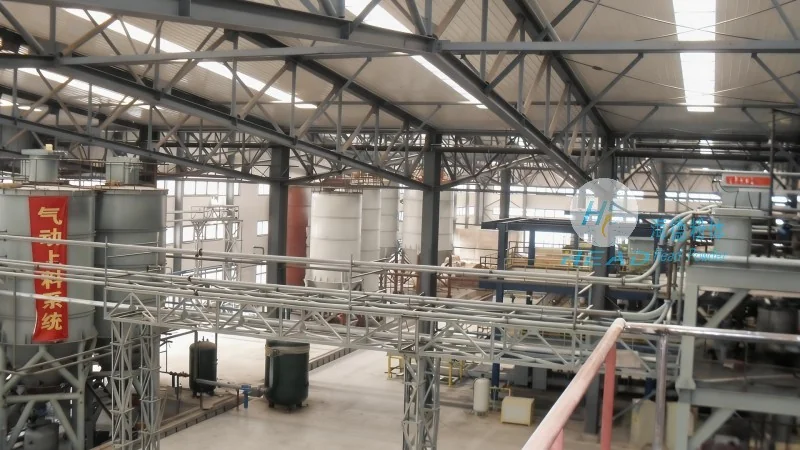
Fly ash, a byproduct of coal combustion, is a fine powder that requires specialized equipment for transport and handling. The fly ash material handling system is a comprehensive setup designed to collect, transport, and store fly ash from its source to its final destination, such as a disposal site or a reutilization facility. This system typically includes components like ash collection hoppers, conveyor systems, storage silos, and discharge mechanisms, all working in tandem to manage the material safely and effectively.
Key Components of the System
The effectiveness of a fly ash material handling system depends on its key components, each serving a specific function in the overall process. The primary components include:
1. Ash Collection Hoppers: These are large, often cylindrical or rectangular containers located at the base of a boiler or furnace. They collect the fly ash as it is produced during combustion. The design of these hoppers is critical to prevent ash buildup and ensure smooth material flow into the next stage of the system.
2. Conveyor Systems: Once collected, the fly ash is transferred to a conveyor system. Common types include belt conveyors, screw conveyors, and pneumatic conveying systems. Belt conveyors are widely used for horizontal and slight incline transport due to their durability and ability to handle large volumes of material. Screw conveyors are suitable for vertical or inclined transport, providing a compact solution for moving ash between different levels. Pneumatic conveying systems use air pressure to transport fly ash through pipes, which is ideal for long-distance or complex routing requirements.
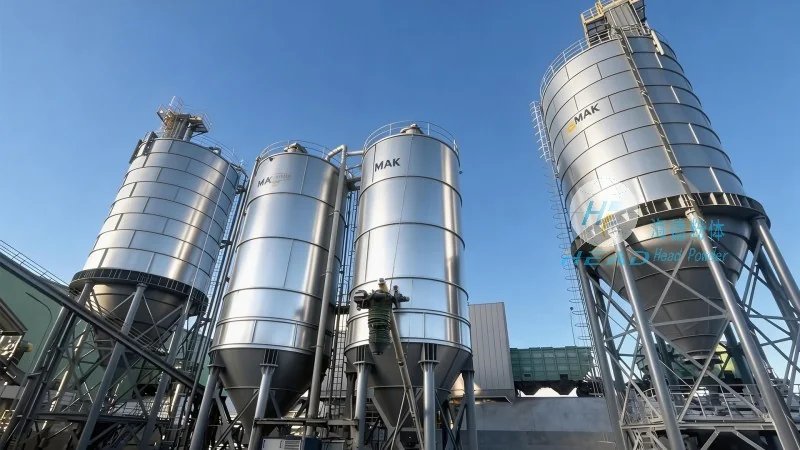
3. Storage Silos: After transport, fly ash is often stored in silos before further processing or disposal. These silos are designed to maintain the material's properties and prevent contamination. They may be equipped with aeration systems to control moisture content and prevent caking, which can impede material flow.
4. Discharge Mechanisms: The final component of the system is the discharge mechanism, which releases the fly ash from the storage silo to a transport vehicle or directly to a disposal site. This may involve gates, valves, or conveyor systems that ensure controlled and safe discharge.
Design Principles for Optimal Performance
The design of a fly ash material handling system follows several key principles to ensure efficiency, safety, and longevity. These principles are tailored to the specific characteristics of fly ash, such as its fine particle size, abrasive nature, and potential for dust generation.
1. Material Compatibility: All components of the system must be compatible with fly ash. This includes using materials that resist abrasion and corrosion, such as stainless steel or high-grade alloys, to prevent wear and tear over time. The system's design also considers the potential for chemical reactions between the ash and equipment, ensuring that materials are chosen to avoid degradation.
2. Flow Control: Proper flow control is essential to prevent blockages and ensure consistent material movement. This involves designing hoppers and silos with appropriate angles and slopes to facilitate gravity-driven flow. Additionally, the use of aeration systems in storage silos helps maintain a uniform flow by preventing the formation of clumps or agglomerates.
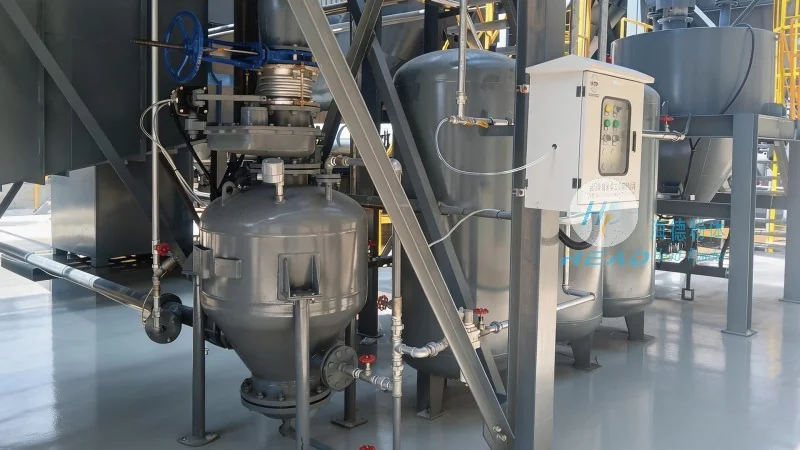
3. Dust Control: Fly ash is a fine powder that can create significant dust, posing health and safety risks. The system incorporates dust control measures, such as enclosures, ventilation systems, and dust collection equipment. These measures help contain dust within the system and prevent it from escaping into the environment, ensuring compliance with environmental regulations.
4. Safety and Maintenance: Safety is a top priority in the design of a fly ash material handling system. This includes features like emergency stop buttons, protective enclosures, and regular maintenance schedules. The system is also designed for easy access to components for inspection and repair, reducing downtime and ensuring long-term reliability.
Applications and Benefits
The fly ash material handling system is widely used in power plants, cement factories, and other industrial facilities that generate fly ash. The primary benefits of such a system include improved operational efficiency, reduced labor costs, and enhanced safety. By automating the handling process, facilities can minimize the risk of accidents and ensure consistent material flow, leading to better overall performance.
Additionally, an efficient system allows for the proper disposal or reutilization of fly ash, which is important for environmental sustainability. Many facilities now use fly ash as a supplementary cementitious material in concrete production, reducing the need for natural cement and lowering the carbon footprint of construction projects.
Conclusion
In conclusion, a fly ash material handling system is a critical component of modern industrial operations, designed to manage the transport and storage of fly ash safely and efficiently. The system's design principles, including material compatibility, flow control, dust management, and safety considerations, are essential for ensuring optimal performance and compliance with industry standards. For facilities looking to improve their fly ash handling processes, understanding these principles and investing in a well-designed system can lead to significant operational and environmental benefits.