

Phosphorus Pentoxide Powder Conveying System Equipment: Understanding Its Function and Design Princi
When it comes to handling phosphorus pentoxide powder, specialized equipment is essential to ensure safe and efficient material transport. The phosphorus pentoxide powder conveying system equipment, developed by Shandong HeadPowder Engineering Co., Ltd., represents a sophisticated solution tailored to the unique challenges of processing this reactive chemical. This article explores the core components, operational principles, and design considerations that define such systems, providing a comprehensive overview for professionals in the field.
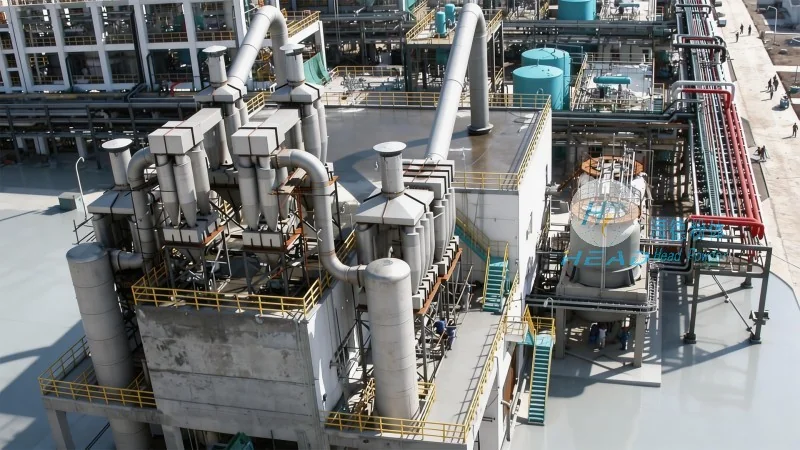
Introduction to Phosphorus Pentoxide Powder Conveying Systems
Phosphorus pentoxide (P₂O₅) is a highly hygroscopic and reactive compound, making its handling and transportation critical for industrial applications. Conventional methods often struggle with the material's tendency to clump or react with moisture, leading to inefficiencies and safety risks. The phosphorus pentoxide powder conveying system equipment addresses these issues by integrating advanced engineering solutions that maintain material integrity while ensuring safe operation. As a leading manufacturer in this domain, Shandong HeadPowder Engineering Co., Ltd. has pioneered technologies that enhance the reliability and performance of powder handling processes.
Key Components of the Conveying System
The phosphorus pentoxide powder conveying system typically consists of several interconnected components, each designed to optimize material flow and control. The primary elements include a hopper for material storage, a feeding mechanism to regulate powder discharge, a conveying device (such as a pneumatic or mechanical conveyor) to transport the powder, and a control system to monitor and adjust operational parameters. The hopper is often equipped with a discharge valve or feeder to prevent material bridging, a common issue with hygroscopic powders like phosphorus pentoxide. The feeding mechanism may incorporate vibration or screw mechanisms to ensure consistent material flow, minimizing the risk of clogging. The conveying device, whether pneumatic (using air pressure) or mechanical (using belts or screws), is selected based on the material's properties and the required transport distance. For phosphorus pentoxide, a pneumatic system is often preferred due to its ability to handle fine powders without generating excessive dust or heat.
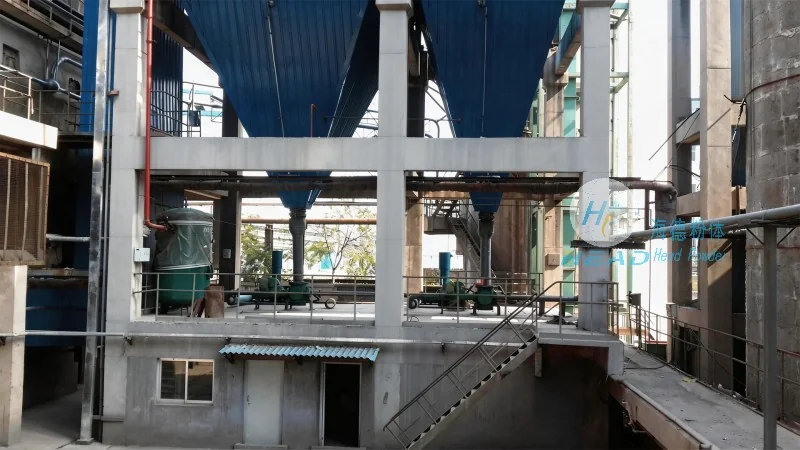
Design Principles and Operational Mechanisms
The design of the phosphorus pentoxide powder conveying system equipment is guided by several key principles aimed at safety, efficiency, and material preservation. First, the system must minimize exposure to moisture and air to prevent the formation of phosphoric acid, which can cause corrosion and reduce material quality. This is achieved through sealed components and moisture-resistant materials. Second, the system is engineered to handle the material's high reactivity by incorporating temperature control and inert gas purging where necessary. Third, the design prioritizes dust suppression and containment to comply with environmental regulations and ensure worker safety. The operational mechanism involves the controlled release of powder from the hopper into the conveying line, followed by the movement of the powder through the system under controlled pressure or mechanical force. The control system continuously monitors parameters such as pressure, flow rate, and temperature, adjusting the process in real-time to maintain optimal conditions. This closed-loop control ensures consistent performance and reduces the likelihood of system failures or material degradation.
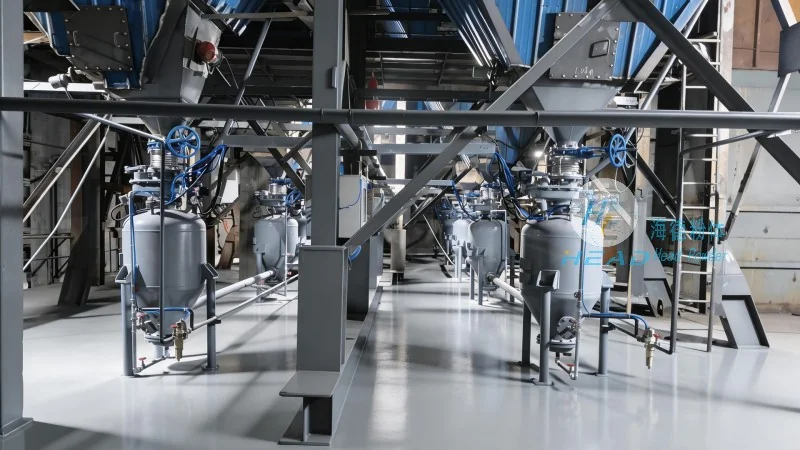
Applications and Industry Impact
The phosphorus pentoxide powder conveying system equipment plays a vital role in various industrial sectors, including chemical manufacturing, pharmaceuticals, and food processing. In chemical production, the system facilitates the transport of phosphorus pentoxide for use in the synthesis of fertilizers, detergents, and other chemical products. The precision and reliability of the system ensure that the material is delivered to downstream processes in the correct form and quantity, enhancing overall production efficiency. In pharmaceutical applications, the system supports the handling of phosphorus pentoxide-based compounds used in drug formulations, where purity and consistency are paramount. The system's ability to maintain material integrity and prevent contamination is critical for meeting regulatory standards. Additionally, in food processing, phosphorus pentoxide is used as a food additive, and the conveying system ensures safe and hygienic handling, aligning with food safety regulations. The impact of this equipment extends beyond individual processes, contributing to improved productivity, reduced waste, and enhanced safety in industrial operations.
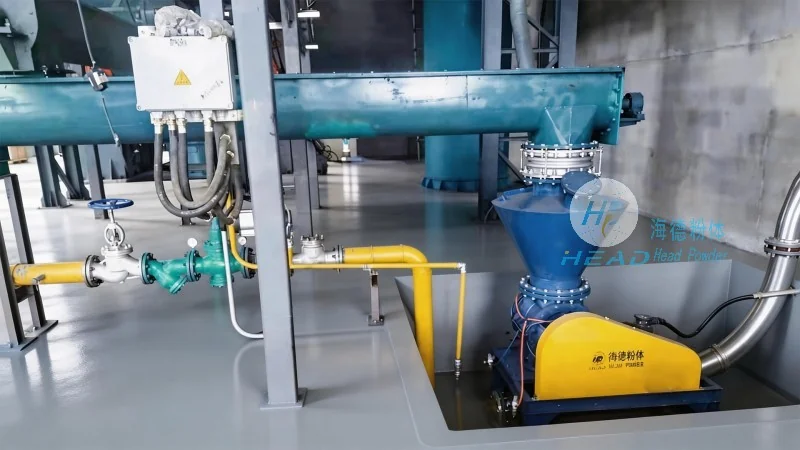
Advantages of the HeadPowder Solution
Shandong HeadPowder Engineering Co., Ltd. offers a comprehensive range of phosphorus pentoxide powder conveying system equipment that combines advanced technology with robust engineering. The company's solutions are designed to address the specific challenges of handling phosphorus pentoxide, including its hygroscopic nature and reactivity. Key advantages of the HeadPowder system include enhanced material flow control, reduced dust generation, improved safety features, and lower maintenance requirements. The system's modular design allows for customization to meet the unique needs of different applications, ensuring optimal performance. Additionally, the company provides comprehensive support, including installation, training, and maintenance services, to ensure that clients can fully leverage the benefits of the equipment. By choosing the HeadPowder solution, industries can enhance their operational efficiency, minimize risks, and maintain compliance with industry standards.
Conclusion
In conclusion, the phosphorus pentoxide powder conveying system equipment is a critical component in the processing of this reactive chemical, enabling safe and efficient material transport. The design principles and operational mechanisms of such systems are tailored to address the unique challenges of phosphorus pentoxide, ensuring material integrity and operational safety. As a leading manufacturer, Shandong HeadPowder Engineering Co., Ltd. provides advanced solutions that enhance productivity and compliance in various industrial applications. The integration of specialized components, advanced control systems, and robust engineering makes the phosphorus pentoxide powder conveying system an essential investment for industries relying on this chemical. With continued innovation and a focus on customer needs, the HeadPowder solution remains at the forefront of powder handling technology, supporting the growth and success of its clients.