

What is a Lithium Oxalate Powder Handling System? What are its Design Principles?
Understanding the design principles of a lithium oxalate powder handling system is crucial for industries that rely on this material in their manufacturing processes. Lithium oxalate, a key component in lithium-ion battery production, requires specialized equipment to ensure efficient and safe handling. This article explores the fundamental aspects of such systems, focusing on the technical and operational elements that contribute to their effectiveness, with insights from Shandong HeadPowder Engineering Co., Ltd., a leading provider of powder handling solutions.
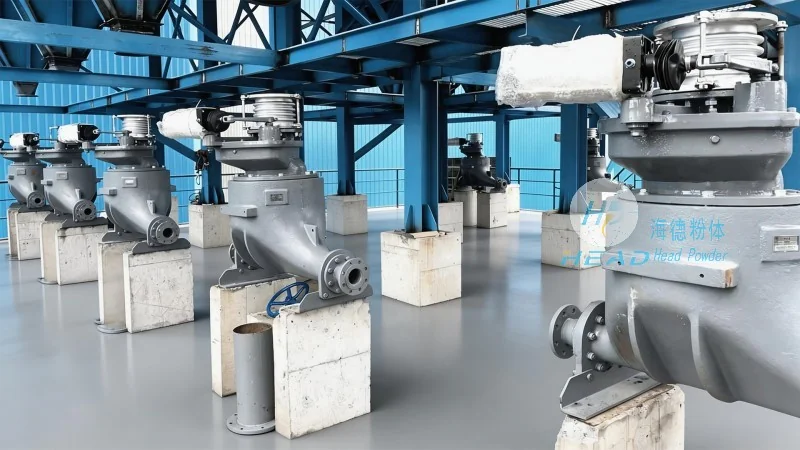
Introduction to Lithium Oxalate Powder Handling Systems
Lithium oxalate powder handling systems are engineered to manage the storage, transport, and processing of lithium oxalate, a white crystalline powder used as a precursor in the production of lithium carbonate and other lithium-based compounds. These systems are designed to address the unique challenges associated with handling fine powders, such as dust generation, material flow control, and contamination prevention. The primary goal is to maintain product quality while ensuring operational safety and efficiency. Shandong HeadPowder Engineering Co., Ltd., based in Shandong, China, specializes in developing advanced powder handling systems tailored to meet the specific needs of industries involved in lithium battery manufacturing.
Key Components of a Powder Handling System
The lithium oxalate powder handling system typically consists of several critical components that work in tandem to achieve optimal performance. These include feeders, conveyors, storage silos, and dust collection systems. Each component plays a vital role in the overall functionality of the system. The company's expertise lies in selecting and integrating these components to ensure seamless operation and minimal downtime.
Feeders are responsible for controlling the flow rate of the lithium oxalate powder from the storage silo to the processing equipment. They ensure a consistent and controlled feed, which is essential for maintaining uniform product quality. Common types of feeders used in such systems include rotary valves, vibratory feeders, and screw conveyors, each with its own advantages depending on the specific application requirements. The choice of feeder is influenced by factors such as material properties, flow rate, and system layout.
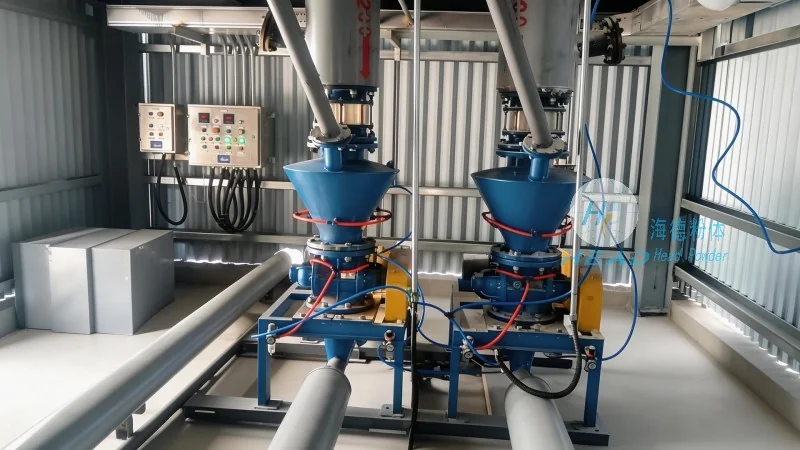
Conveyors are used to transport the powder from one location to another within the system. They can be either pneumatic (air-assisted) or mechanical (belt or screw conveyors). Pneumatic conveyors are particularly effective for handling fine powders as they minimize dust and provide a flexible layout. Mechanical conveyors, on the other hand, are suitable for bulk material transport and are often more cost-effective for long-distance applications. The selection of the conveyor type depends on the system's capacity, distance, and budget constraints.
Storage silos are used to store the lithium oxalate powder in bulk quantities. These silos are designed to prevent material degradation and maintain product integrity. They are typically made of stainless steel or other corrosion-resistant materials to ensure durability and prevent contamination. The silos are equipped with level indicators and pressure relief valves to monitor and control the material level and pressure inside. The company's design team ensures that the silos are sized appropriately to meet the storage needs of the client while optimizing space and cost.
Dust collection systems are essential for maintaining a clean and safe working environment. They capture and remove airborne dust particles generated during the handling process. These systems typically include hoppers, filters, and exhaust fans. The collected dust is often recycled back into the system to minimize waste and improve efficiency. The company incorporates advanced filtration technologies to ensure high efficiency and low maintenance costs.
Design Principles for Efficient Powder Handling
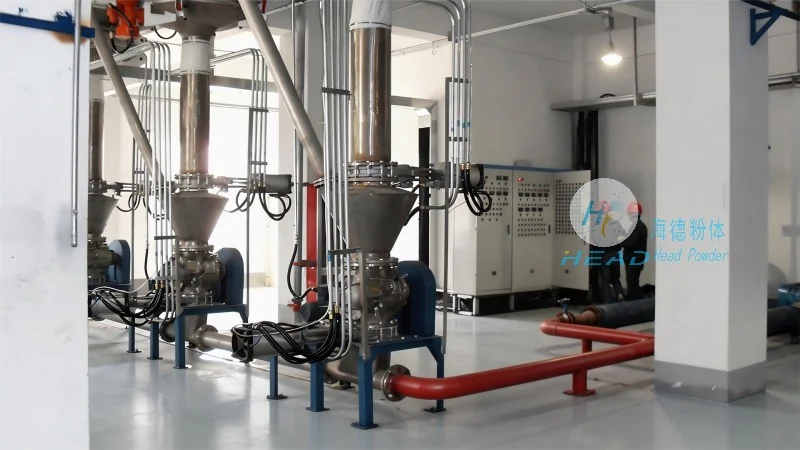
The design of a lithium oxalate powder handling system follows several key principles to ensure optimal performance. These principles focus on material flow, dust control, and system integration. The first principle is to minimize material degradation and contamination. This is achieved through the use of clean, corrosion-resistant materials and proper sealing of all components. The system is also designed to prevent cross-contamination between different batches of material, which is critical for maintaining product purity.
Second, the system is optimized for efficient material flow. This involves ensuring that the powder moves smoothly and consistently through the system, with minimal pressure drops and blockages. Properly designed feeders and conveyors help achieve this by providing a uniform flow rate and preventing material buildup. The company's engineers use computational fluid dynamics (CFD) simulations to optimize the flow paths and reduce energy consumption.
Third, the system is integrated with dust collection and safety features to ensure a safe working environment. The dust collection system captures and removes airborne particles, while safety features such as explosion-proof designs and emergency shut-off valves protect against potential hazards. The company adheres to international safety standards and provides comprehensive safety training to operators.
Operational Considerations and Maintenance
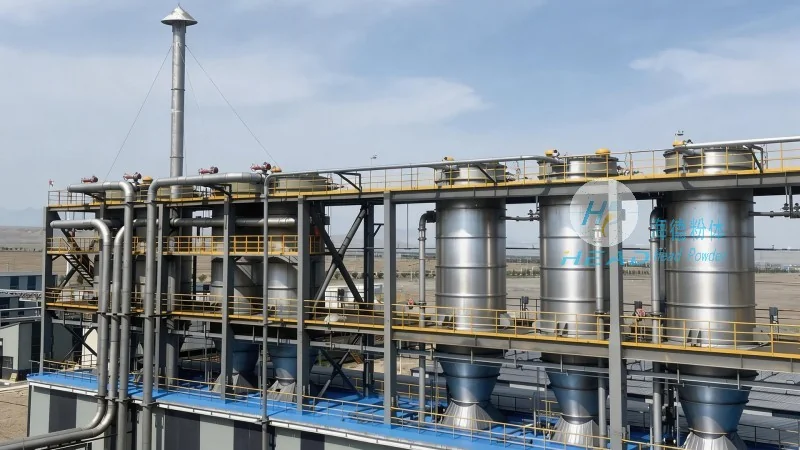
Proper operation and maintenance of the lithium oxalate powder handling system are essential for ensuring long-term performance and reliability. Regular maintenance, including cleaning of components, inspection of seals, and replacement of worn parts, is necessary to prevent system downtime and maintain product quality. The company offers comprehensive maintenance services to clients, including scheduled inspections and on-site support.
Operational considerations also include monitoring the system's performance parameters, such as flow rates, pressure, and temperature. These parameters are used to identify potential issues and take corrective action before they lead to system failure. Additionally, training of operators on proper system operation and safety procedures is crucial for maintaining a safe working environment. The company provides detailed operation manuals and conducts regular training sessions to ensure operators are well-equipped to handle the system.
Conclusion
A lithium oxalate powder handling system is a critical piece of equipment for industries involved in lithium-ion battery production. The design principles and components of such systems are carefully engineered to ensure efficient, safe, and reliable handling of the material. By understanding these principles and implementing proper operational and maintenance practices, companies can maximize the performance and longevity of their powder handling systems. Shandong HeadPowder Engineering Co., Ltd. continues to innovate in powder handling technology, providing tailored solutions that meet the evolving needs of the lithium battery industry.