

Role of Pneumatic Conveying in Metallurgical Coke Transportation
Metallurgical coke, a critical raw material in the iron and steel industry, requires efficient and reliable transportation methods to ensure smooth production processes. Pneumatic conveying has emerged as a sophisticated solution for handling coke, offering advantages such as reduced dust, improved safety, and enhanced operational flexibility. This article explores the role of pneumatic conveying in the transportation of metallurgical coke, highlighting its benefits and practical applications.
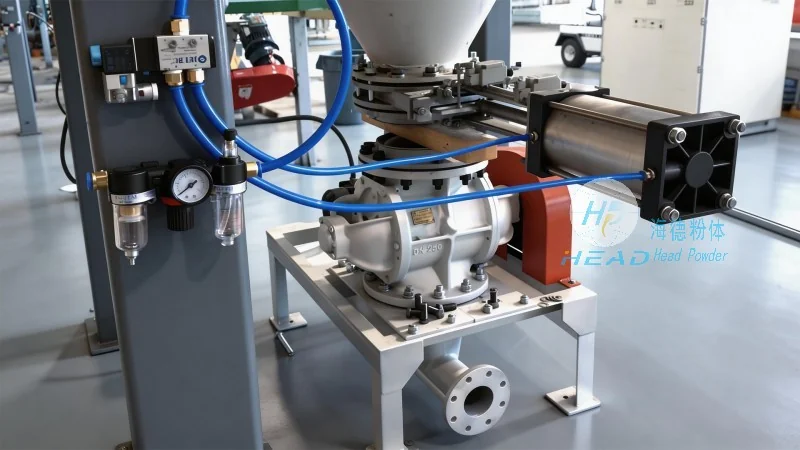
Advantages of Pneumatic Conveying for Coke Handling
When compared to traditional methods like belt conveyors or truck transport, pneumatic conveying systems provide several key advantages. One of the most significant benefits is the reduction of dust and airborne particles, which not only improves workplace safety but also minimizes environmental impact. The enclosed system design prevents coke from being exposed to the air, thereby reducing the risk of contamination and loss. Additionally, pneumatic conveying allows for the integration of multiple handling points, enabling seamless transfer between storage silos, processing units, and shipping facilities. This flexibility is particularly valuable in modern steel plants where space optimization and operational efficiency are paramount.
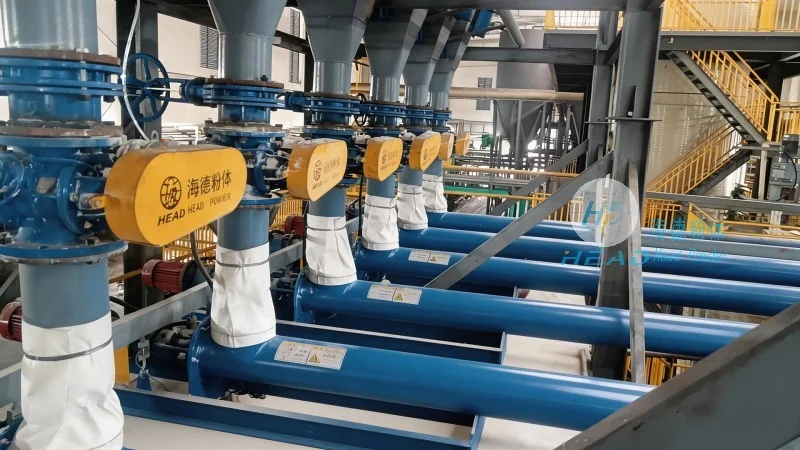
Key Components of Pneumatic Conveying Systems
Effective pneumatic conveying of metallurgical coke relies on a combination of specialized components working in harmony. The system typically includes a hopper or feeder to introduce coke into the pipeline, a blower or compressor to generate the necessary air pressure, and a series of pipes or ducts to transport the material. At the receiving end, a separator or cyclone separates the coke from the air stream, allowing for clean discharge into storage bins or processing equipment. The choice of components, such as the type of blower (positive displacement or centrifugal) and the material of the pipes (stainless steel or special alloys), is critical to ensure durability and resistance to corrosion from coke dust and moisture.
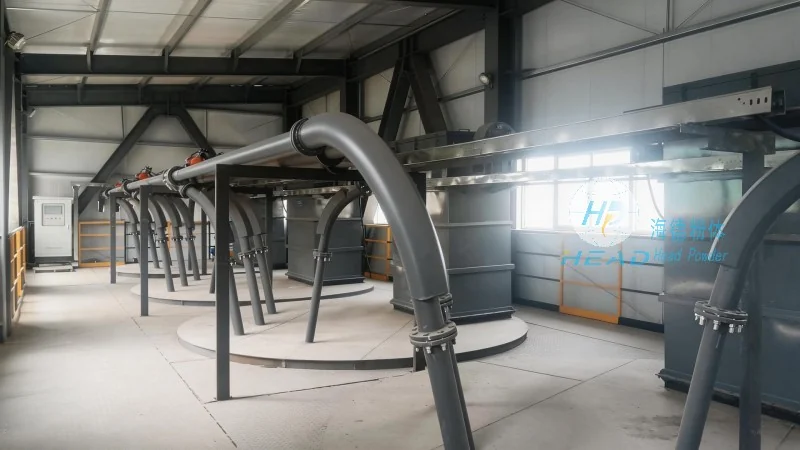
Applications in Industrial Settings
In industrial environments, pneumatic conveying is widely used for the movement of metallurgical coke between various stages of production. For example, in a steel mill, coke may be transported from a storage silo to a blast furnace or a coke oven. The system can handle both dry and slightly moist coke, adapting to different operational conditions. The enclosed nature of the system also facilitates the integration of dust collection and filtration systems, ensuring compliance with environmental regulations. This makes pneumatic conveying an ideal solution for facilities that prioritize both efficiency and environmental responsibility.
Case Study: Implementation by Shandong HeadPowder Engineering Co., Ltd.
Shandong HeadPowder Engineering Co., Ltd., a leading provider of pneumatic conveying solutions, has successfully implemented advanced systems for metallurgical coke transportation in several industrial projects. By leveraging their expertise in system design and material selection, the company has delivered customized solutions that meet the specific needs of clients. For instance, one project involved the installation of a high-capacity pneumatic conveying system for a large steel plant in Shandong, China. The system was designed to handle up to 500 tons of coke per hour, with a total pipeline length of over 2 kilometers. The implementation resulted in significant improvements in operational efficiency, reduced maintenance costs, and enhanced safety for workers. This case study exemplifies the practical benefits of pneumatic conveying in real-world applications.
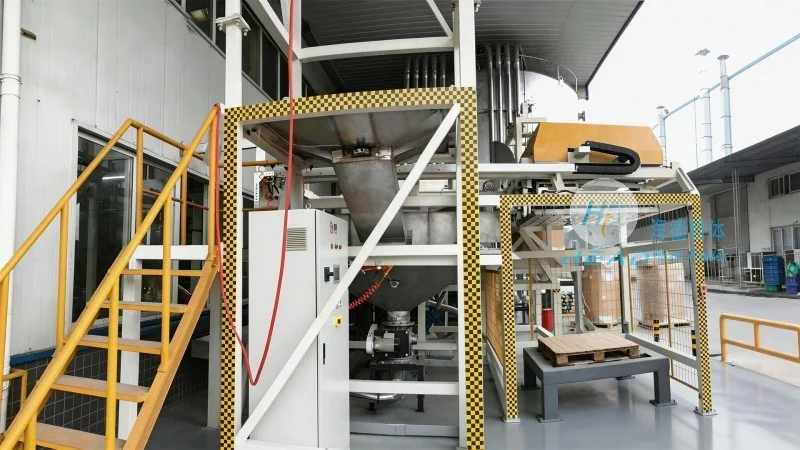
Conclusion and Future Outlook
Pneumatic conveying plays a vital role in the efficient transportation of metallurgical coke, offering a range of benefits that address the challenges faced by modern steel production. As industrial facilities continue to seek more sustainable and efficient solutions, the adoption of advanced pneumatic conveying systems is likely to increase. Companies like Shandong HeadPowder Engineering Co., Ltd. are at the forefront of this evolution, providing tailored solutions that enhance operational performance while ensuring compliance with industry standards. The future of metallurgical coke transportation lies in the continued development and application of innovative pneumatic conveying technologies, which will further optimize production processes and contribute to the growth of the steel industry.