

Carbon Black Powder Technical Parameters and Conveying System Process
For industrial applications, understanding the technical parameters of carbon black powder and the design of its conveying systems is crucial. This document provides an overview of key technical specifications and the engineering considerations for effective carbon black powder handling and transportation. The information is tailored for professionals in the manufacturing and processing sectors who require reliable solutions for carbon black powder management.
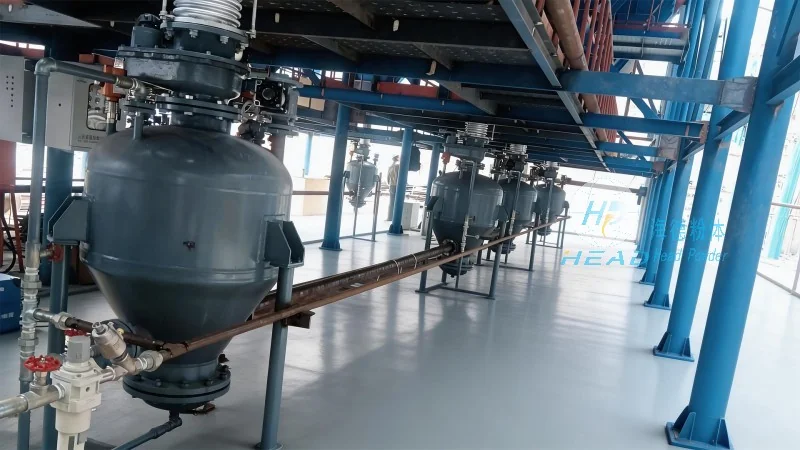
Key Technical Parameters of Carbon Black Powder
Carbon black powder, a critical additive in various industries including rubber, plastics, and coatings, exhibits specific physical and chemical properties that influence its performance and handling. The primary technical parameters include particle size distribution, surface area, structure, and bulk density. Particle size distribution is typically measured using laser diffraction or sedimentation methods, with values ranging from nanometers to micrometers depending on the production process. Surface area, often determined by the Brunauer-Emmett-Teller (BET) method, affects the powder's adsorption capacity and reactivity. The structure of carbon black, characterized by its aggregate and agglomerate formation, impacts its reinforcing properties in rubber compounds. Bulk density, which influences storage and transportation efficiency, is measured under specific conditions and varies based on the powder's packing density and moisture content. These parameters are essential for selecting the appropriate conveying system and ensuring optimal performance in downstream processes.
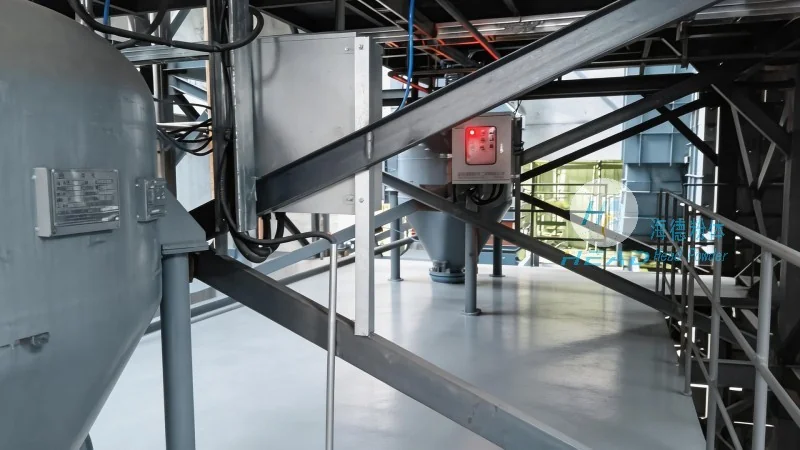
Conveying System Design for Carbon Black Powder
The design of a conveying system for carbon black powder must address several challenges, including the powder's cohesive nature, potential for dust generation, and the need for low maintenance and high efficiency. Common conveying methods include pneumatic conveying (positive and negative pressure), mechanical conveying (e.g., screw conveyors, belt conveyors), and hybrid systems that combine both approaches. Pneumatic conveying systems are widely used due to their ability to handle fine powders over long distances, with positive pressure systems (pressure blowers) suitable for short to medium distances and negative pressure systems (vacuum pumps) for longer or more complex routes. The selection of the conveying system depends on factors such as the required capacity, distance, and the specific characteristics of the carbon black powder, including its moisture content and flowability. For example, in applications where the powder is prone to bridging or agglomeration, a combination of mechanical agitation and pneumatic assistance may be employed to ensure smooth flow. The system design also considers the need for dust control measures, such as filtration and enclosure, to comply with environmental regulations and maintain workplace safety.
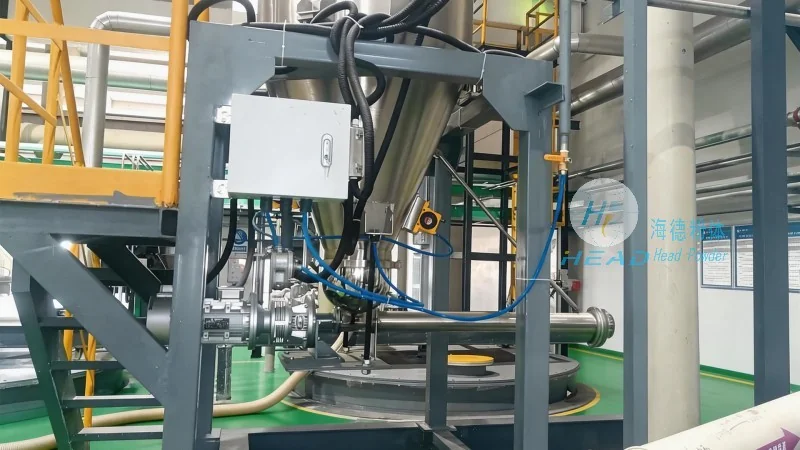
Engineering Considerations for Carbon Black Powder Handling
Engineering solutions for carbon black powder handling require a comprehensive approach that integrates material science, fluid dynamics, and mechanical design. The process begins with material characterization to determine the powder's flow properties, such as angle of repose and compressibility, which are critical for designing hoppers and feeders. Proper hopper design, including the use of conical or wedge-shaped geometries, helps prevent material bridging and ensures consistent flow rates. Feeders, such as rotary valves or vibratory feeders, are selected based on the powder's bulk density and flowability to maintain a steady supply to the conveying system. The conveying equipment, whether pneumatic or mechanical, must be constructed from materials resistant to corrosion and abrasion, as carbon black can be abrasive and may contain acidic or basic components. Regular maintenance and cleaning are essential to prevent clogging and ensure the longevity of the system. Additionally, the system design incorporates safety features, such as explosion-proof components and dust suppression systems, to mitigate risks associated with powder handling. By addressing these engineering considerations, manufacturers can achieve efficient and reliable carbon black powder conveying systems that meet operational and regulatory requirements.
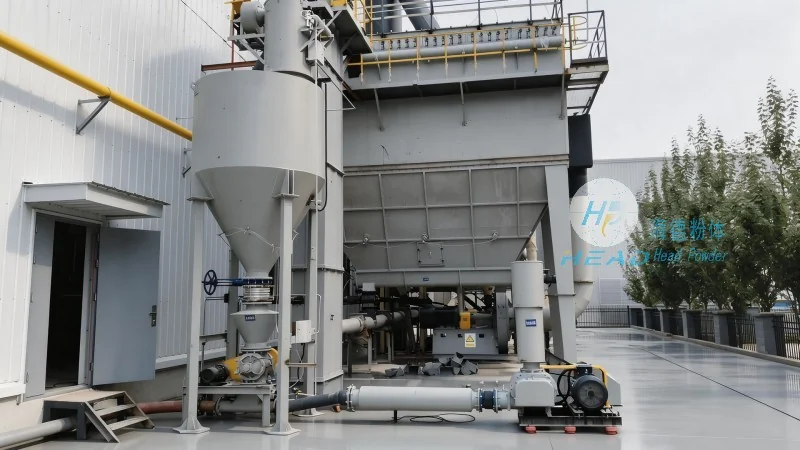
Conclusion and Company Overview
Understanding the technical parameters of carbon black powder and implementing appropriate conveying systems is vital for optimizing industrial processes. The information provided here highlights the key factors to consider when designing and operating carbon black powder handling systems. As a leading provider in the field, Shandong HeadPowder Engineering Co., Ltd. specializes in the engineering and manufacturing of advanced conveying solutions tailored to the unique needs of carbon black powder applications. With a focus on quality, efficiency, and safety, the company offers customized solutions that enhance productivity and ensure compliance with industry standards. Whether for new installations or system upgrades, Shandong HeadPowder Engineering Co., Ltd. provides expert guidance and reliable products to support the success of industrial operations worldwide.