

Types and Practical Applications of Pneumatic Conveying Systems for Calcium Hydroxide Transport
When it comes to transporting calcium hydroxide, selecting the right material handling system is crucial for efficiency, safety, and cost-effectiveness. Pneumatic conveying systems have emerged as a reliable solution for moving this material, offering advantages over traditional methods like belt conveyors or bucket elevators. This article explores the different types of pneumatic conveying systems used in calcium hydroxide transport and their practical applications, highlighting the expertise of Shandong HeadPowder Engineering Co., Ltd. from China.
Types of Pneumatic Conveying Systems
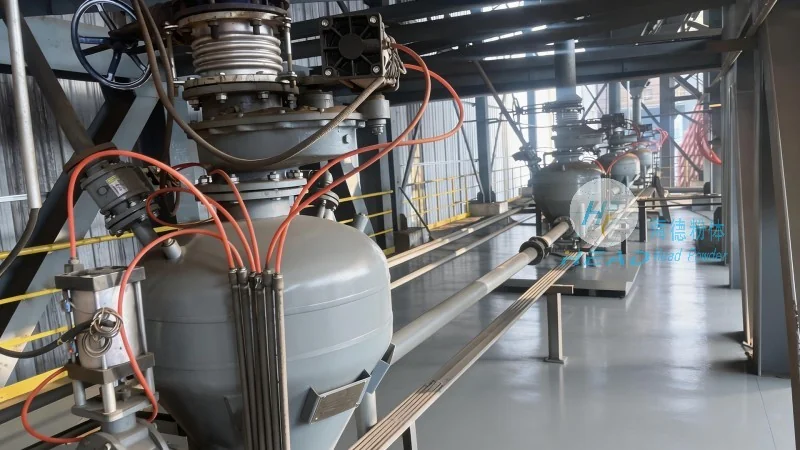
There are primarily two main categories of pneumatic conveying systems: positive pressure and negative pressure systems. Each type has its own characteristics and is suitable for different operational requirements.
Positive pressure systems, also known as pressure or pressure-assisted systems, operate by blowing air or gas into the conveying line, pushing the material forward. These systems are generally more efficient for long-distance and high-capacity transport and are commonly used in industrial applications where calcium hydroxide needs to be moved over significant distances or through complex piping networks. The positive pressure approach ensures that the material is continuously propelled, reducing the risk of clogging and improving overall throughput.
Negative pressure systems, or vacuum systems, work by creating a vacuum in the conveying line, drawing the material into the system. This method is often preferred for shorter distances or when the material needs to be collected from multiple points. Negative pressure systems are particularly useful when dealing with dust-sensitive materials like calcium hydroxide, as they minimize the risk of dust dispersion and maintain a cleaner working environment. However, they may have limitations in terms of capacity and distance compared to positive pressure systems.
Another variation is the mixed or combined system, which integrates elements of both positive and negative pressure. This approach allows for greater flexibility, enabling the system to handle both long-distance and short-distance transport with varying material flow rates. The mixed system can be optimized for specific operational needs, making it a versatile choice for calcium hydroxide handling in diverse industrial settings.
Practical Applications in Calcium Hydroxide Transport
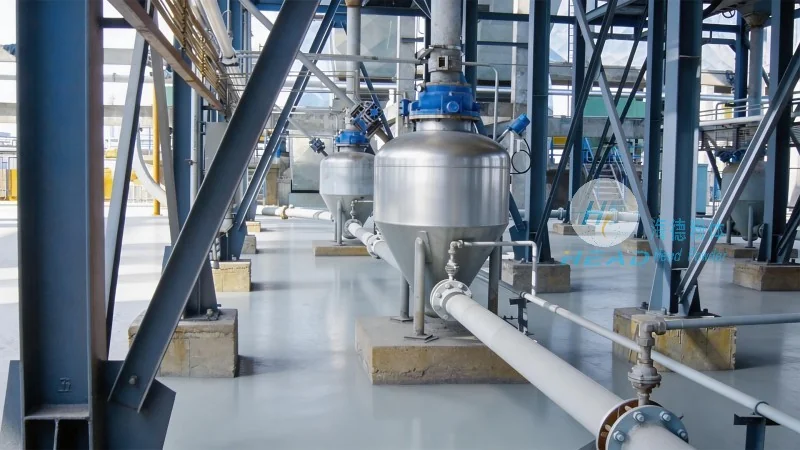
Calcium hydroxide, commonly known as slaked lime, is widely used in various industries such as construction, agriculture, and water treatment. Its handling requires careful consideration due to its fine particle size and potential dust generation. Pneumatic conveying systems are particularly well-suited for these applications because they can transport the material without direct contact, reducing wear and tear on equipment and minimizing the risk of contamination.
In the construction industry, calcium hydroxide is often used as a component in mortar and concrete. Pneumatic conveying allows for the efficient transfer of this material from storage silos to mixing plants or construction sites. This method ensures that the material is delivered in a controlled manner, maintaining its quality and preventing segregation during transport. The positive pressure systems are often preferred here due to their ability to handle high volumes and long distances, which is essential for large-scale construction projects.
In the agricultural sector, calcium hydroxide is used as a soil amendment and for pest control. Pneumatic conveying systems enable farmers to distribute this material evenly across fields, ensuring consistent application rates. The negative pressure systems are sometimes used in this context to minimize dust exposure and maintain a safe working environment for agricultural workers. The mixed systems can be adapted to handle varying field sizes and application rates, providing flexibility in agricultural operations.
In water treatment applications, calcium hydroxide is used to adjust pH levels and remove impurities. Pneumatic conveying systems are used to transport the material from storage to the treatment plants. The systems are designed to handle the material's fine particles and prevent clogging, which is critical for maintaining the efficiency of water treatment processes. The positive pressure approach is often employed here to ensure reliable and continuous transport, as any interruption could impact water quality.
Benefits of Using Pneumatic Conveying for Calcium Hydroxide
Implementing pneumatic conveying systems for calcium hydroxide transport offers several key benefits. First, these systems are highly efficient in terms of energy consumption compared to traditional methods. By using compressed air or vacuum, the material is moved with minimal energy input, reducing operational costs. Second, pneumatic conveying minimizes material degradation and contamination. Since the material is not in direct contact with the conveying equipment, there is less risk of wear and tear, and the material remains in its original state, which is crucial for applications where purity is essential.
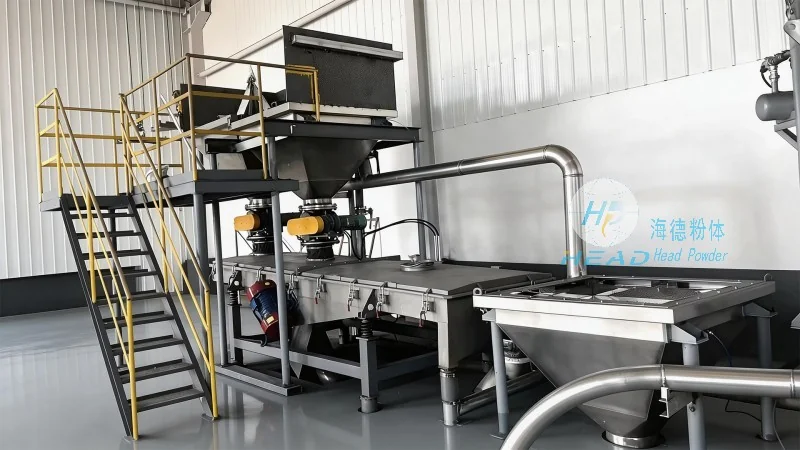
Third, these systems enhance safety in the workplace. By eliminating the need for manual handling of bulk materials, the risk of accidents and dust exposure is significantly reduced. This is particularly important when dealing with calcium hydroxide, as inhalation of fine particles can lead to respiratory issues. The enclosed nature of pneumatic conveying systems also helps in controlling dust emissions, contributing to a safer working environment.
Fourth, pneumatic conveying systems provide flexibility in terms of layout and integration. They can be easily adapted to existing facilities or new construction projects, allowing for customization based on specific operational needs. The ability to transport material through vertical and horizontal lines without the need for complex equipment makes them a versatile choice for various industrial applications.
Conclusion and Expertise of Shandong HeadPowder Engineering Co., Ltd.
Pneumatic conveying systems play a vital role in the efficient and safe transport of calcium hydroxide across various industries. The choice of system type depends on factors such as distance, capacity, and operational requirements. Whether it's a positive pressure, negative pressure, or mixed system, each has its advantages and is suitable for different scenarios. For businesses looking to optimize their calcium hydroxide handling processes, partnering with a specialized engineering company like Shandong HeadPowder Engineering Co., Ltd. from China can provide the expertise and solutions needed to achieve efficient and reliable material transport.
Shandong HeadPowder Engineering Co., Ltd. specializes in designing and implementing pneumatic conveying systems tailored to the specific needs of calcium hydroxide transport. With a deep understanding of the material's properties and the requirements of different industries, the company offers customized solutions that enhance operational efficiency, safety, and cost-effectiveness. Based in China, the company leverages its local expertise and resources to deliver high-quality systems that meet international standards and customer expectations.