

Pneumatic Conveying for Seasoning Powders: How to Efficiently Transport Bulk Powders with Air Flow
For businesses in the food industry, particularly those dealing with seasoning powders, the challenge of efficiently and safely transporting bulk powders is a critical operational concern. Traditional methods like manual handling or mechanical conveyors often fall short in meeting the demands of modern production lines, leading to issues such as material waste, contamination risks, and increased labor costs. This is where pneumatic conveying systems emerge as a sophisticated solution, leveraging the power of air to move powders with precision and reliability. In this context, understanding how to effectively implement and utilize these systems becomes essential for optimizing production processes and maintaining product quality.
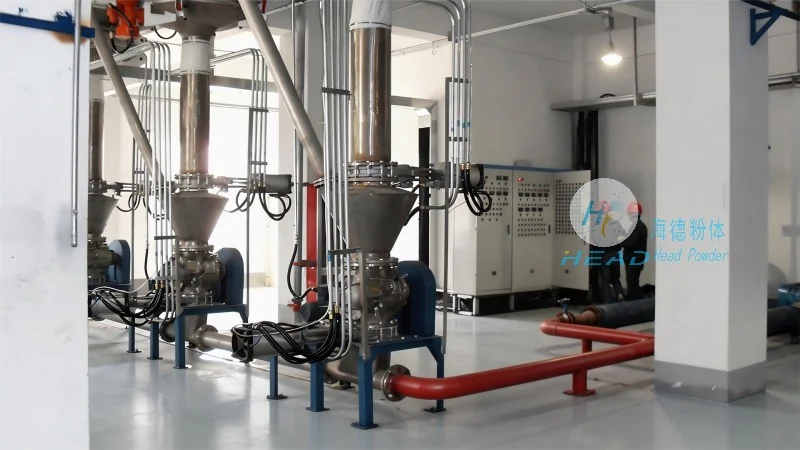
Understanding Pneumatic Conveying Technology
Pneumatic conveying, also known as air conveying, is a method that uses pressurized or suction air to transport dry bulk materials, including powders, granules, and fine particles. The technology operates by creating a flow of air that carries the material through a pipeline system, from the point of origin to the destination. There are two primary types of pneumatic conveying systems: dilute-phase and dense-phase. Dilute-phase systems use low air-to-material ratios, allowing for high-speed transport over long distances, while dense-phase systems employ higher air-to-material ratios, offering gentler handling and better control over material flow. For seasoning powders, which are often sensitive to pressure and temperature changes, the choice between these systems depends on the specific characteristics of the product and the operational requirements of the facility.
Key Components of a Pneumatic Conveying System
At the core of any pneumatic conveying system are several key components that work in tandem to ensure smooth and efficient material transport. The primary components include the air compressor or blower, which generates the necessary air pressure; the conveying line, typically made of stainless steel or other corrosion-resistant materials to handle the demands of food-grade powders; the feeders, which control the rate of material introduction into the system; and the receivers, where the material is deposited at the end of the line. Additionally, systems may incorporate filters and cyclones to separate the material from the air stream, ensuring that the conveyed powder remains clean and free from contaminants. For seasoning powders, which are often hygroscopic or prone to caking, these components are designed to minimize material degradation and maintain product integrity throughout the conveying process.
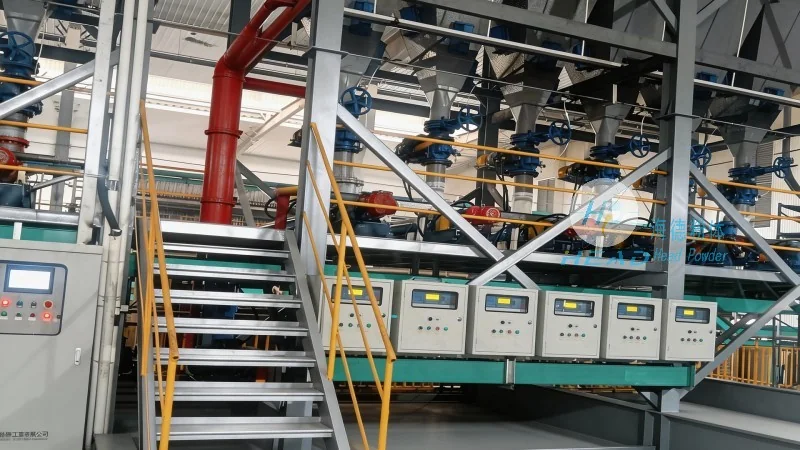
Benefits of Pneumatic Conveying for Seasoning Powders
Implementing pneumatic conveying systems in seasoning powder handling offers a multitude of benefits that directly impact operational efficiency and product quality. One of the most significant advantages is the reduction in material waste and spillage, as the enclosed system prevents dust and product loss during transport. This not only saves costs but also enhances safety by minimizing exposure to airborne particles. Furthermore, pneumatic conveying systems provide precise control over material flow rates, allowing for consistent dosing and mixing, which is crucial for maintaining the flavor and texture of seasoning blends. The technology also contributes to improved hygiene and sanitation, as the enclosed pipelines and components are easier to clean and maintain, reducing the risk of microbial contamination. In addition, by automating the material handling process, these systems reduce labor requirements and the potential for human error, leading to higher productivity and lower operational costs.
Application in Seasoning Production: A Case Study
Consider a seasoning manufacturer in China, such as Shandong HeadPowder Engineering Co., Ltd., which specializes in the production of high-quality seasoning powders. The company faces the challenge of efficiently transporting large quantities of spices and flavor enhancers from storage silos to production lines and packaging areas. By adopting a pneumatic conveying system, the company has been able to streamline its operations, reducing the time and labor required for material transport. The system allows for the seamless transfer of powders from bulk storage to processing equipment, ensuring that the product remains intact and free from contamination. The case study highlights how pneumatic conveying not only improves operational efficiency but also enhances product quality by minimizing handling-related issues. The success of this implementation underscores the importance of selecting the right system for specific material characteristics and production needs.
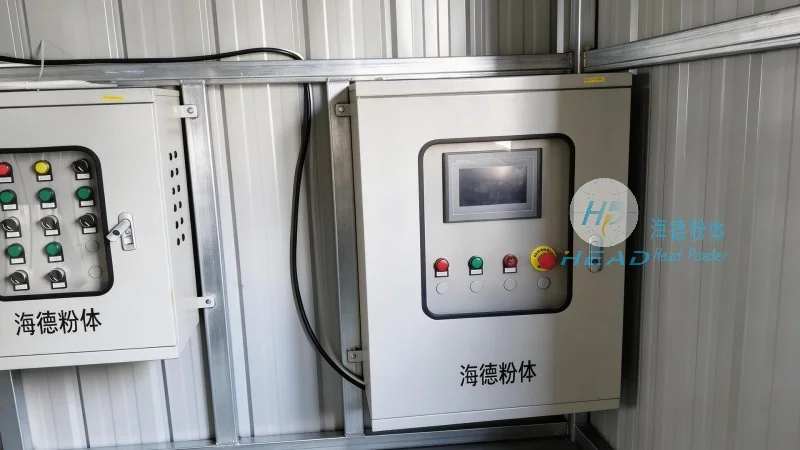
Choosing the Right Pneumatic Conveying Solution
When selecting a pneumatic conveying system for seasoning powders, several factors must be considered to ensure optimal performance. First, the physical properties of the powder, such as particle size, density, and moisture content, play a critical role in determining the appropriate system type. For example, fine powders may require a dense-phase system to prevent clogging and ensure smooth flow, while larger particles might be better suited for dilute-phase systems. Second, the distance and layout of the conveying line must be evaluated to determine the required air pressure and flow rate. Third, the need for product containment and hygiene standards should guide the choice of materials for the system components, such as stainless steel or food-grade plastics. Finally, the integration of the system with existing production equipment and the availability of maintenance support are important considerations for long-term operational success. By carefully evaluating these factors, businesses can select a pneumatic conveying solution that meets their specific requirements and maximizes the benefits of efficient powder handling.
Conclusion: The Future of Seasoning Powder Handling
In conclusion, pneumatic conveying systems represent a highly effective and efficient solution for the transportation of seasoning powders in the food industry. By leveraging the power of air to move bulk materials with precision and reliability, these systems address the challenges of traditional handling methods and offer numerous benefits, including reduced waste, improved hygiene, and enhanced product quality. For companies like Shandong HeadPowder Engineering Co., Ltd., investing in such technology is a strategic move to stay competitive and meet the evolving demands of the market. As the food industry continues to prioritize efficiency and quality, pneumatic conveying is set to remain a cornerstone of modern seasoning powder handling, ensuring that businesses can deliver high-quality products to consumers while optimizing their operational processes.