

Sodium Sulfate Pneumatic Conveying Solutions
HeadPowder, a leading provider of industrial material handling solutions, specializes in developing efficient and reliable pneumatic conveying systems for sodium sulfate applications. This document outlines the key components, operational principles, and benefits of our tailored sodium sulfate pneumatic conveying solutions, designed to meet the specific needs of various industrial processes.
Key Components of the Pneumatic Conveying System
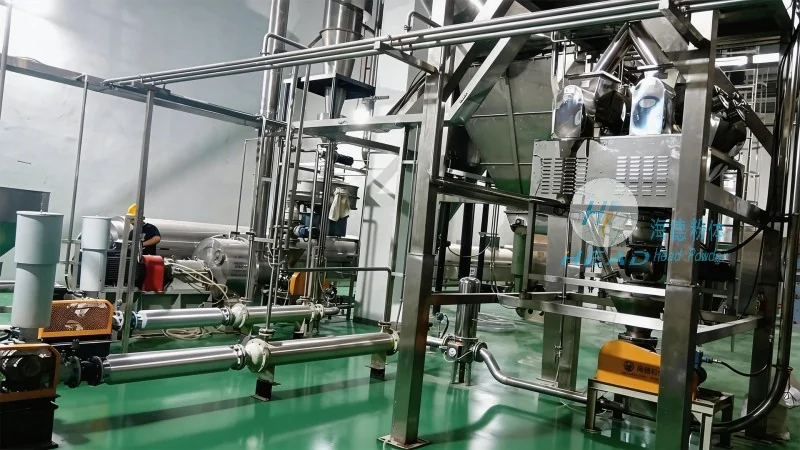
The sodium sulfate pneumatic conveying system from Shandong HeadPowder Engineering Co., Ltd. comprises several critical components that work in tandem to ensure smooth material transport. The primary elements include a feed hopper for material storage and feeding, a rotary airlock valve to control the flow of sodium sulfate into the system, a positive displacement blower or air compressor to generate the necessary air pressure, a pipeline network for conveying the material, and a receiver or discharge hopper for collecting the conveyed sodium sulfate. Each component is engineered to handle the unique properties of sodium sulfate, such as its granular or powdered form, ensuring minimal degradation and loss during transport.
Operational Principles and Efficiency
The pneumatic conveying system operates on the principle of air flow, where compressed air is used to move sodium sulfate particles through the pipeline. The system can be categorized into two main types: pressure and vacuum systems. Pressure systems use positive displacement blowers to push air and material forward, while vacuum systems employ suction to draw material into the pipeline. For sodium sulfate, a pressure system is often preferred due to its ability to handle higher material loads and longer conveying distances without significant pressure loss. The system’s efficiency is enhanced by optimizing air velocity, ensuring that the air flow rate is sufficient to prevent material settling or blockages in the pipeline. Additionally, the use of appropriate pipeline diameters and smooth internal surfaces minimizes friction and energy consumption, contributing to lower operational costs and reduced maintenance requirements.
Advantages of Pneumatic Conveying for Sodium Sulfate
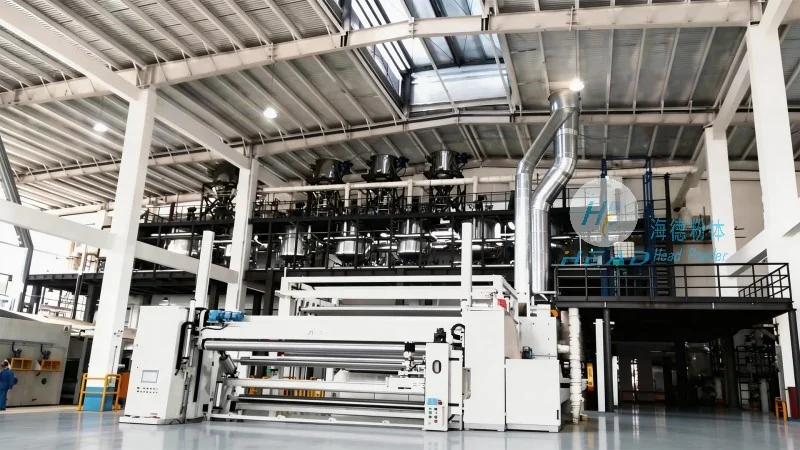
Implementing a pneumatic conveying system for sodium sulfate offers numerous advantages over traditional methods like belt conveyors or bucket elevators. One of the most significant benefits is the ability to transport material in a closed system, which helps maintain product purity and prevents contamination from external sources. This is particularly important for sodium sulfate, which is often used in pharmaceutical, food, or chemical industries where product quality is paramount. The system also reduces labor costs by automating the material handling process, minimizing the need for manual loading and unloading. Furthermore, pneumatic conveying systems are more flexible in terms of layout, allowing for vertical, horizontal, or combined conveying paths, which can optimize plant floor space and improve workflow efficiency. Another key advantage is the reduced risk of dust generation compared to open systems, contributing to better workplace safety and compliance with environmental regulations.

Customization and Application Flexibility
Shandong HeadPowder Engineering Co., Ltd. understands that each industrial application has unique requirements. Therefore, our sodium sulfate pneumatic conveying solutions are highly customizable to suit specific operational needs. The system can be tailored to handle varying material flow rates, from low to high capacities, and can accommodate different conveying distances, ranging from short horizontal runs to long vertical lifts. The company’s engineering team works closely with clients to assess their process parameters, such as material characteristics, required throughput, and available space, to design a system that maximizes efficiency and minimizes downtime. For example, in applications where sodium sulfate is used in chemical processing, the system may include additional features like temperature control or filtration to ensure the material meets the required specifications. In food processing applications, the system may incorporate sanitary design elements to maintain compliance with food safety standards. This flexibility ensures that the conveying solution is not only effective but also cost-effective and sustainable in the long run.
Maintenance and Reliability
Reliability is a critical factor in industrial operations, and the sodium sulfate pneumatic conveying system from HeadPowder is designed with durability and ease of maintenance in mind. The components, such as the rotary airlock valve and blower, are constructed from high-quality materials that are resistant to corrosion and wear, ensuring long service life even in harsh operating conditions. Regular maintenance, including air filter replacement, blower lubrication, and pipeline inspection, is recommended to maintain optimal performance. The system’s modular design allows for easy access to components, facilitating quick repairs and minimizing downtime. Additionally, the company provides comprehensive after-sales support, including technical assistance and spare parts availability, to ensure that clients can maintain the system’s efficiency and reliability over its operational life. By investing in a well-designed pneumatic conveying system, industries can achieve consistent material transport, reduce operational costs, and enhance overall productivity.