

Introduction to Ammonium Nitrate Powder Handling Systems: Structure and Working Principles
Ammonium nitrate (AN) is a widely used chemical compound, particularly in the fertilizer industry, and efficient handling of its powder form is crucial for industrial operations. The powder handling systems designed for ammonium nitrate must address challenges such as dust control, material flow management, and safety compliance. This article provides an overview of the typical structure and operational principles of ammonium nitrate powder handling systems, highlighting key components and their functions.
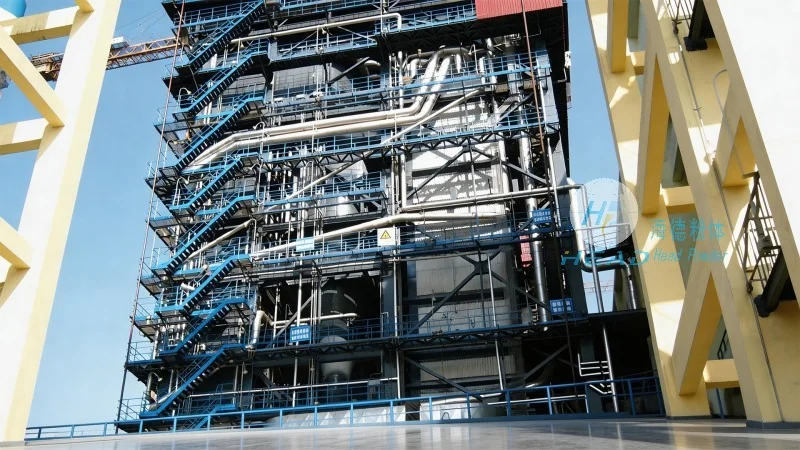
HeadPowder, a leading engineering company based in Shandong, China, specializes in the design and manufacturing of advanced powder handling solutions. With a focus on safety, efficiency, and reliability, their systems are tailored to meet the specific requirements of ammonium nitrate processing facilities. The company’s expertise in material handling technology ensures that their solutions are optimized for the unique properties of ammonium nitrate, including its flow characteristics and potential hazards.
Key Components of Ammonium Nitrate Powder Handling Systems
The core structure of an ammonium nitrate powder handling system typically includes several essential components that work in tandem to ensure smooth material transport and storage. These components are designed to handle the bulk material while maintaining safety standards and operational efficiency. The primary elements include:
1. Feeding and Dosing Equipment: This component is responsible for accurately feeding ammonium nitrate powder into the system. It may include hoppers, feeders, and dosing mechanisms that control the flow rate and quantity of material. Proper dosing is critical to prevent overloading or underloading, which can affect downstream processes and safety.
2. Pneumatic Conveying Systems: Many ammonium nitrate handling systems utilize pneumatic conveying technology to transport the powder from one location to another. These systems use air pressure to move the material through pipelines, minimizing the risk of dust exposure and ensuring a continuous flow. The choice of conveying method (e.g., pressure or vacuum) depends on the distance, height, and specific application requirements.
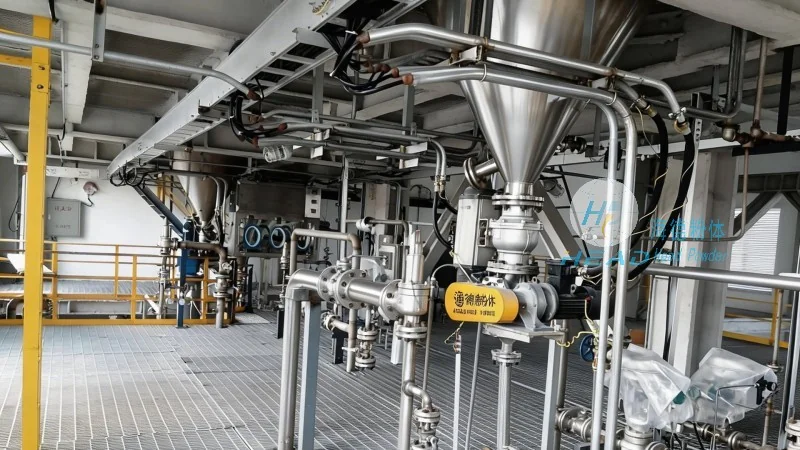
3. Storage Silos and Hoppers: Large-scale facilities often require storage silos or hoppers to hold significant quantities of ammonium nitrate. These structures are designed with safety features such as explosion vents, pressure relief valves, and grounding systems to mitigate risks associated with the material's potential reactivity. The design of the silos also considers the material's flow properties to prevent bridging or caking, which can disrupt operations.
4. Valves and Control Systems: Valves are integral to regulating the flow of ammonium nitrate through the system. They control the opening and closing of material pathways, ensuring that the powder is directed to the correct destination. Modern control systems, often integrated with sensors and automation, provide real-time monitoring and adjustment of flow rates, enhancing operational efficiency and safety.
Working Principles of the Powder Handling System
The operational principle of an ammonium nitrate powder handling system revolves around the coordinated action of its components to move the material from the source to the destination. The process typically begins with the material being fed from a storage silo or hopper into a feeder. The feeder then regulates the flow rate, which is then conveyed through a pneumatic system to the target location, such as a processing unit or packaging area.
In a typical setup, the system may involve multiple stages of conveying, with intermediate storage or processing steps. For example, the powder might be transferred from a large storage silo to a smaller hopper near the processing line, where it is then metered into a mixer or reactor. The control system continuously monitors parameters such as pressure, flow rate, and temperature to ensure that the process operates within safe and efficient limits.
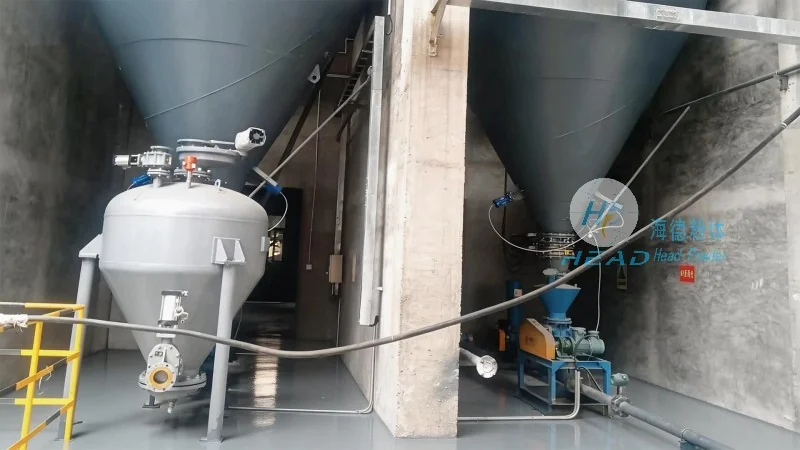
Safety is a paramount consideration in ammonium nitrate handling systems. The design incorporates various safety features, including dust suppression systems, explosion-proof components, and emergency shutdown mechanisms. These measures are essential due to the material's sensitivity to impact, friction, and heat, which can lead to hazardous conditions if not properly managed.
Application and Benefits of Ammonium Nitrate Powder Handling Systems
Ammonium nitrate powder handling systems are widely used in industrial applications, particularly in the fertilizer manufacturing industry. They are also utilized in other sectors such as chemical production and mining, where bulk material handling is required. The benefits of these systems include improved operational efficiency, reduced labor costs, and enhanced safety through automated control and monitoring.
HeadPowder's systems are engineered to provide reliable performance in demanding environments. By integrating advanced technology and adhering to industry standards, their solutions help clients optimize their ammonium nitrate handling processes, minimize downtime, and ensure compliance with safety regulations. The company's commitment to quality and innovation makes their systems a preferred choice for facilities requiring robust and efficient powder handling solutions.
As a company based in Shandong, China, HeadPowder leverages local expertise and resources to deliver tailored solutions that meet the unique needs of their clients. Their systems are designed to adapt to varying production scales and operational conditions, ensuring that clients can achieve their processing goals while maintaining safety and efficiency.