

Introduction to and Structural Principles of a Protein Powder Pneumatic Conveying System
HeadPowder, a leading manufacturer based in Shandong, China, specializes in the design and production of advanced pneumatic conveying equipment for various industrial applications. The protein powder pneumatic conveying system is a key product line that addresses the efficient and hygienic transportation of protein powders, which are widely used in the food, pharmaceutical, and nutritional supplement industries. This system is engineered to meet stringent industry standards for cleanliness, safety, and operational reliability, ensuring that protein powders are handled with the utmost care to preserve their quality and integrity.
Key Features and Benefits of the Pneumatic Conveying System
The protein powder pneumatic conveying system from HeadPowder offers several advantages that make it an ideal choice for businesses dealing with protein powders. One of the primary benefits is its ability to transport materials in a closed system, which minimizes exposure to contaminants and maintains the purity of the product. This is crucial for protein powders, as any contamination can significantly impact their quality and safety for end-users. Additionally, the system is designed to be flexible and scalable, allowing it to accommodate varying production volumes and processing needs. It can handle different types of protein powders, including whey, soy, and casein, with consistent performance and minimal maintenance requirements. The equipment is also equipped with advanced control systems that allow for precise regulation of air flow and pressure, ensuring optimal conveying efficiency and reducing energy consumption. Another significant benefit is the hygienic design, which includes smooth surfaces, easy-to-clean components, and minimal dead zones, making it suitable for GMP (Good Manufacturing Practice) environments. This design helps in maintaining compliance with regulatory standards and ensures that the product remains free from microbial growth or cross-contamination.
Structural Components and Working Principle
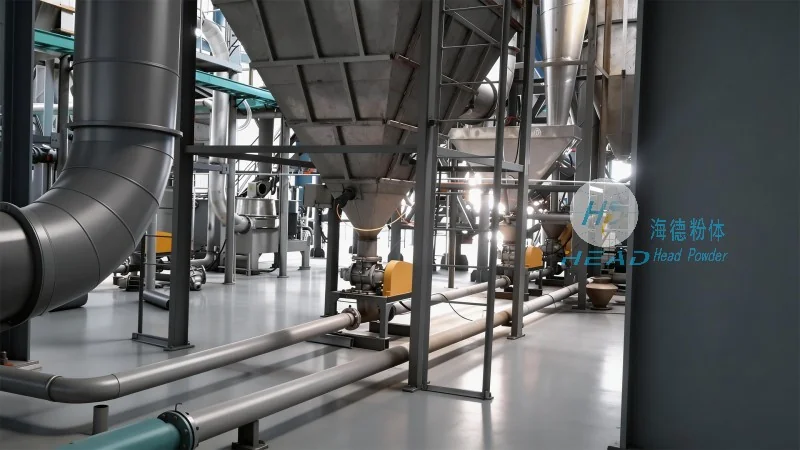
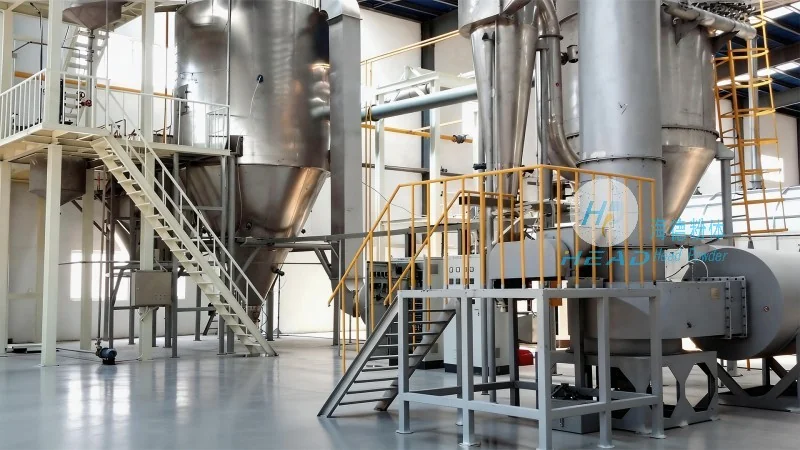
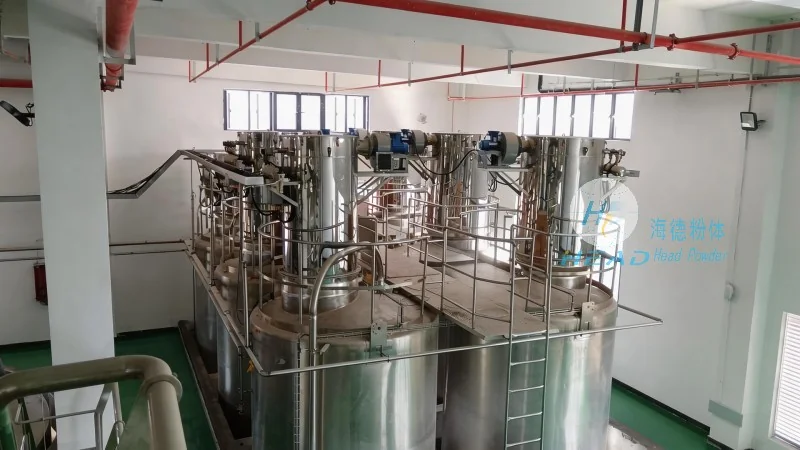
The protein powder pneumatic conveying system consists of several key components that work together to achieve efficient material transport. The main parts include the hopper, which serves as the storage container for the protein powder, and the feeder, which controls the flow of material into the system. The feeder is typically a rotary valve or a screw feeder, designed to deliver a consistent and controlled amount of powder to the conveying line. The conveying line itself is made of high-quality, food-grade materials, such as stainless steel, to ensure durability and resistance to corrosion. The system uses compressed air as the conveying medium, which is introduced into the line through a blower or a compressor. The air flows through the line, creating a low-pressure or high-pressure environment depending on the system configuration, and carries the protein powder particles along with it. The material is then discharged at the receiving end, where it is collected in a receiving hopper or a processing vessel. The system may also include additional components such as filters, cyclones, or separators to remove any fine particles or moisture from the air, ensuring that the protein powder remains clean and free from contaminants. The working principle is based on the principle of fluidization, where the air flow creates a fluidized bed of powder particles, allowing them to be transported through the system with minimal friction and loss. This method is highly effective for handling fine and cohesive powders like protein powders, as it prevents caking and ensures smooth flow.
Application and Operational Considerations
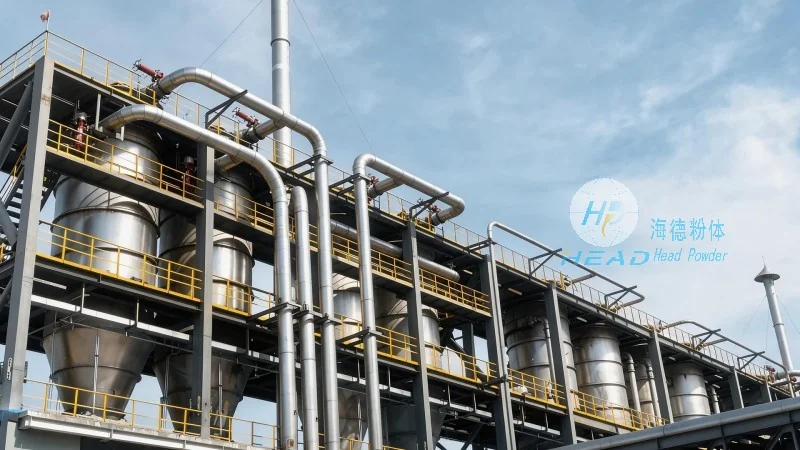
The protein powder pneumatic conveying system is widely used in various industrial settings where the efficient and hygienic transport of protein powders is essential. Some common applications include the food processing industry, where it is used to transport whey or soy protein powders from storage to production lines for manufacturing protein-based products. In the pharmaceutical industry, it is used to convey protein powders used in the formulation of nutritional supplements or drug delivery systems. The system is also utilized in the animal feed industry, where it helps in transporting protein-rich ingredients to feed mills. When operating the system, several factors need to be considered to ensure optimal performance. The first is the air pressure and flow rate, which must be adjusted according to the type and quantity of the protein powder being conveyed. For example, fine powders may require higher air pressure to prevent clogging, while coarser powders can be conveyed at lower pressures. The second is the temperature of the air, as excessive heat can degrade the quality of the protein powder. The system is designed to maintain a controlled temperature, typically within a range that preserves the nutritional value and shelf life of the product. Another consideration is the moisture content of the protein powder, as high moisture levels can lead to caking and blockages in the conveying line. The system includes moisture control measures, such as drying or dehumidification, to ensure that the powder remains in a suitable condition for transport. Regular maintenance is also crucial for the longevity and efficiency of the system. This includes cleaning the hopper, feeder, and conveying line to prevent the buildup of powder residue, checking the air compressor and blower for proper functioning, and inspecting the filters and separators for clogging or damage. By following these operational guidelines, businesses can maximize the performance and lifespan of the protein powder pneumatic conveying system, ensuring consistent and reliable operation.