

[Iron Concentrate Pneumatic Conveying Equipment: An Introduction to Its Structure and Working Princi
Iron concentrate pneumatic conveying equipment is a specialized system designed for the efficient transport of iron concentrate powder. This equipment is crucial in industrial settings where the reliable and low-cost movement of bulk materials is essential. It is manufactured by Shandong HeadPowder Engineering Co., Ltd., a leading provider of engineering solutions for material handling in China.
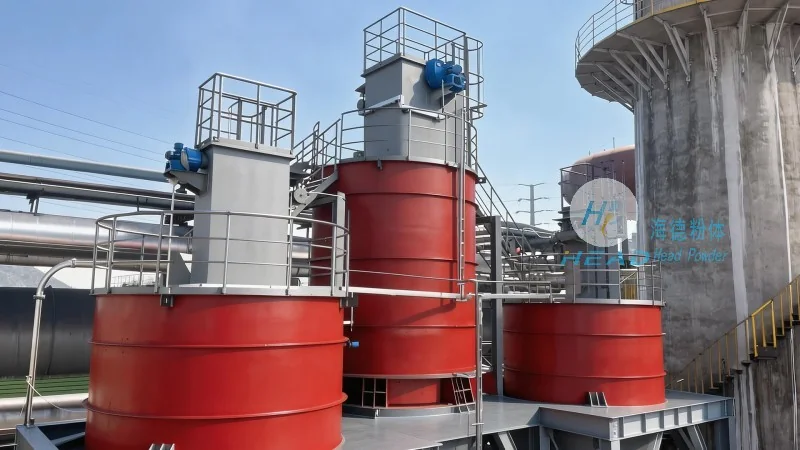
Overview of Iron Concentrate Pneumatic Conveying Equipment
Iron concentrate, a key raw material in the steel industry, often requires precise handling and transport. Pneumatic conveying systems offer a solution by utilizing air pressure to move the material through a pipeline network. The equipment is engineered to handle the specific characteristics of iron concentrate, such as its density, particle size, and moisture content, ensuring optimal performance and minimal material degradation.
Key Components of the Pneumatic Conveying System
The iron concentrate pneumatic conveying system consists of several critical components that work in tandem to achieve efficient material transport. These components include the material feeder, which introduces the iron concentrate into the system; the air compressor or blower, which generates the necessary air pressure; the conveying pipeline, which transports the material; and the discharge unit, which delivers the material to its destination. Each component is designed to withstand the demands of handling iron concentrate, with features like corrosion resistance and wear-resistant materials to ensure long-term durability.
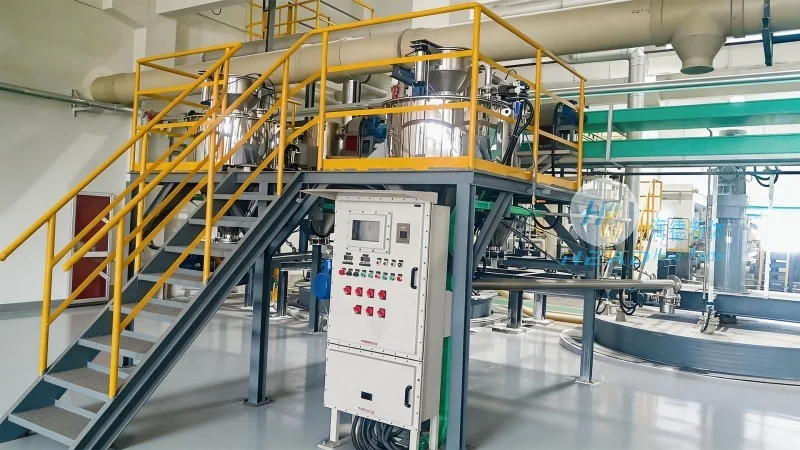
Working Principle of the Pneumatic Conveying Equipment
The operation of the iron concentrate pneumatic conveying equipment is based on the principle of air flow and pressure differential. The material feeder introduces the iron concentrate into the pipeline, and the air compressor then generates a high-pressure air stream. This air stream carries the material particles through the pipeline, creating a slurry-like mixture that moves with the air. The conveying process can be either positive pressure or negative pressure, depending on the system design and application requirements. The positive pressure system uses compressed air to push the material forward, while the negative pressure system uses a vacuum to draw the material into the pipeline.
Advantages of Using Iron Concentrate Pneumatic Conveying Equipment
Employing pneumatic conveying equipment for iron concentrate transport offers several advantages over traditional methods like belt conveyors or bucket elevators. These advantages include reduced material handling costs, improved safety by eliminating manual handling, and enhanced process control. The system also minimizes material contamination and degradation, which is vital for maintaining the quality of iron concentrate. Additionally, the equipment can be easily integrated into existing industrial processes, providing flexibility and scalability for various production needs.
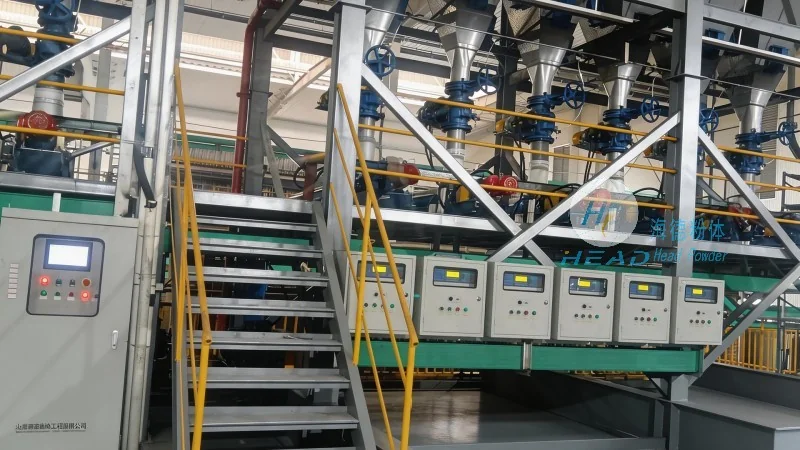
Applications and Industries
The iron concentrate pneumatic conveying equipment is widely used in the mining and steel manufacturing industries. It is particularly suitable for applications where the material needs to be transported over long distances or through complex layouts. The equipment is also used in other sectors that handle fine powders, such as chemical processing and food production, where the same principles of pneumatic conveying can be applied.
Conclusion
In conclusion, iron concentrate pneumatic conveying equipment is a highly efficient and reliable solution for transporting iron concentrate in industrial settings. By understanding its structure and working principles, users can appreciate the technological advancements that enable smooth and cost-effective material handling. The equipment's design, incorporating robust components and advanced operational mechanisms, ensures that it meets the demands of modern industrial applications, contributing to improved productivity and operational efficiency.