

Introduction to Stearic Acid Sodium Pneumatic Conveying System: Structure and Working Principle
The Stearic Acid Sodium Pneumatic Conveying System is a specialized equipment designed for the efficient and safe transportation of stearic acid sodium, a key chemical ingredient widely used in various industrial applications. This system combines advanced pneumatic conveying technology with robust structural design to ensure reliable material handling, making it an essential solution for industries that require precise and controlled movement of bulk materials.
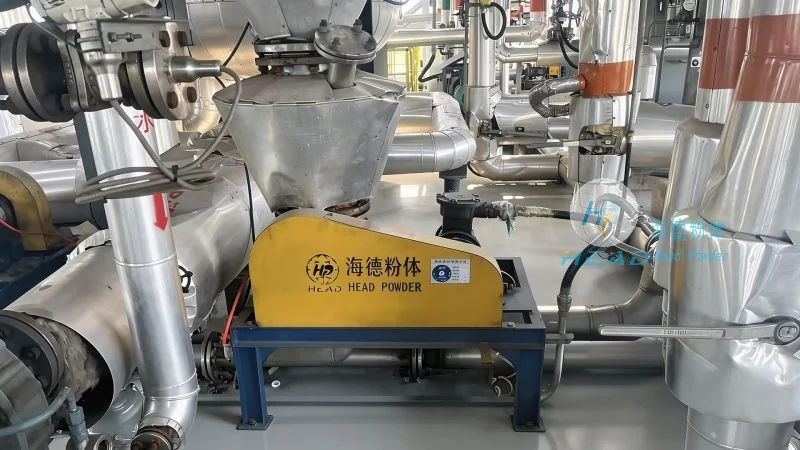
HeadPowder, a leading manufacturer based in Shandong, China, has developed this system to meet the high standards of modern industrial processes. The company's expertise in engineering and material handling has led to the creation of a system that not only enhances operational efficiency but also ensures compliance with safety regulations. The system's design is tailored to handle the specific properties of stearic acid sodium, such as its particle size, density, and flow characteristics, ensuring optimal performance in diverse operational environments.
The core components of the Stearic Acid Sodium Pneumatic Conveying System include the hopper, which serves as the material storage and feeding unit, the conveyor pipeline that transports the material through air pressure, and the control system that manages the entire conveying process. The hopper is equipped with a feeding mechanism that ensures a consistent and controlled flow of stearic acid sodium into the pipeline. The conveyor pipeline is typically made of high-quality materials resistant to corrosion and wear, ensuring durability and long-term performance. The control system uses advanced sensors and automation technology to monitor and adjust the conveying parameters, such as air pressure and flow rate, to maintain optimal operation.
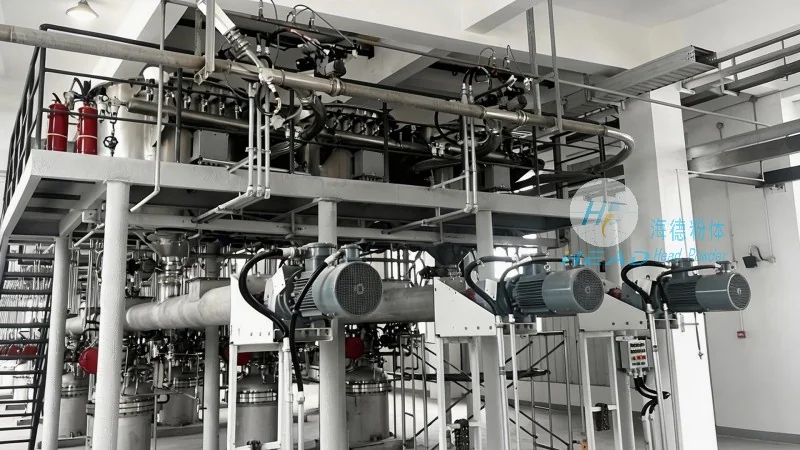
The working principle of the system involves the use of compressed air to create a pressure differential that propels the stearic acid sodium particles through the pipeline. The material is introduced into the hopper, where it is fed into the pipeline under the pressure of the compressed air. The air and material mixture travels through the pipeline to the discharge point, where the material is separated from the air and collected. This process is highly efficient, as it minimizes material loss and reduces the need for manual handling, thereby improving overall productivity.
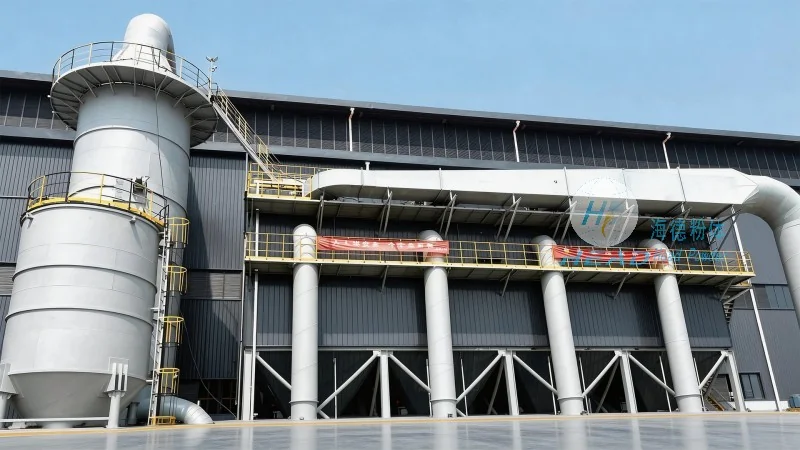
HeadPowder's Stearic Acid Sodium Pneumatic Conveying System is designed to be versatile and adaptable to different production scales and operational requirements. Whether for small-scale laboratory use or large-scale industrial production, the system can be customized to meet specific needs. The company's commitment to quality and innovation has resulted in a product that is reliable, efficient, and cost-effective, making it a preferred choice for businesses in the chemical and pharmaceutical industries.
By integrating advanced technology and robust engineering, HeadPowder has created a pneumatic conveying system that addresses the unique challenges of handling stearic acid sodium. The system's ability to maintain consistent material flow, reduce downtime, and enhance safety makes it an invaluable asset for any facility that relies on this chemical ingredient. With its headquarters in Shandong, China, HeadPowder continues to lead the industry in providing high-quality material handling solutions, ensuring that its products meet the evolving demands of modern industrial applications.