

Rice Pneumatic Conveying: An Efficient and Environmentally Friendly Material Handling Solution
Efficient and environmentally friendly material handling is a critical concern in modern agricultural operations, particularly when dealing with bulk commodities like rice. The traditional methods of transporting rice, such as manual handling or mechanical conveyors, often present challenges related to labor costs, operational inefficiencies, and environmental impact. In response to these challenges, advanced pneumatic conveying systems have emerged as a superior solution for rice processing and distribution. This article explores the benefits of rice pneumatic conveying, highlighting how it addresses the needs of rice producers and processors while promoting sustainability.
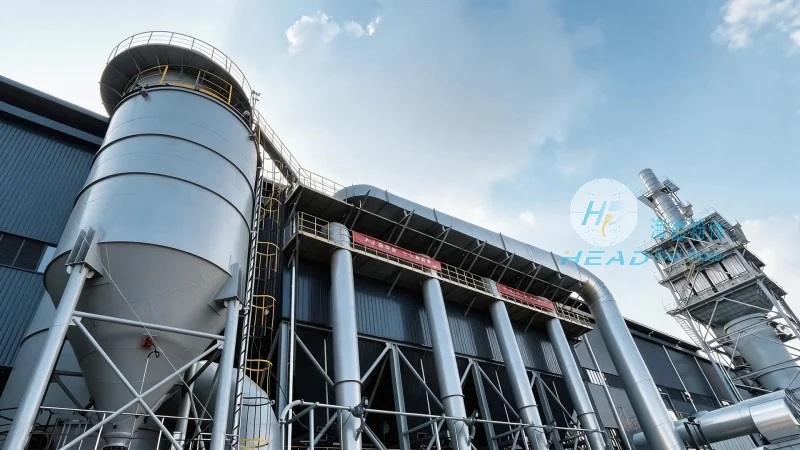
HeadPowder: Leading the Way in Pneumatic Conveying Technology
At the forefront of this technological advancement is Shandong HeadPowder Engineering Co., Ltd., a company dedicated to providing innovative material handling solutions. HeadPowder, with its headquarters in Shandong, China, has established itself as a trusted partner for industries seeking efficient and eco-friendly conveying systems. The company's expertise lies in designing and manufacturing customized pneumatic conveying equipment tailored to the unique requirements of agricultural and food processing sectors.
The Advantages of Rice Pneumatic Conveying Systems
One of the primary benefits of rice pneumatic conveying is its ability to significantly enhance operational efficiency. Unlike traditional methods that rely on manual labor or mechanical components, pneumatic systems use air pressure to transport rice particles through a network of pipes. This process reduces the need for multiple handling steps, minimizes product damage, and accelerates the overall processing time. For rice producers, this translates into higher productivity and reduced labor costs. Additionally, the system's ability to handle large volumes of rice in a continuous manner ensures a steady supply chain, which is crucial for meeting market demands.
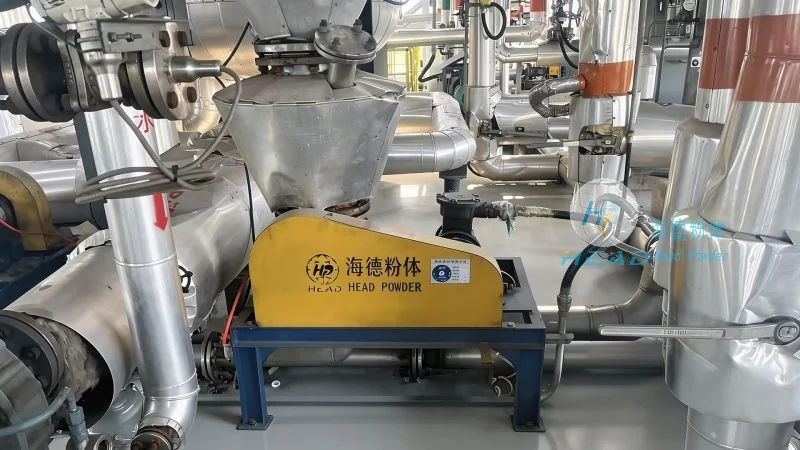
Environmental sustainability is another key advantage of rice pneumatic conveying. Traditional conveyors often generate dust, noise, and require frequent maintenance, contributing to environmental degradation. In contrast, pneumatic systems operate with minimal noise and produce negligible dust emissions. The use of air as the primary transport medium eliminates the need for water or other liquids, reducing water consumption and preventing contamination. Furthermore, the closed-loop design of many pneumatic systems minimizes material loss and waste, aligning with the principles of circular economy in agriculture.
Technical Features and Customization Options
HeadPowder's rice pneumatic conveying systems are engineered with cutting-edge technology to ensure optimal performance. The systems are designed to handle various types of rice, including raw paddy, milled rice, and rice bran, with minimal segregation or breakage. Key technical features include adjustable air pressure controls, which allow operators to optimize the conveying speed based on the rice's characteristics and the system's capacity. The use of high-quality materials, such as stainless steel and corrosion-resistant components, ensures durability and longevity, reducing the need for frequent replacements and maintenance.
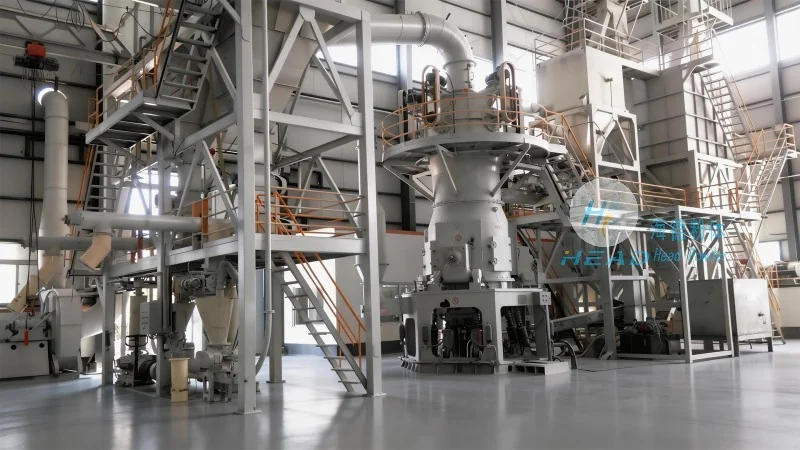
Customization is a hallmark of HeadPowder's approach. Each system is tailored to the specific needs of the client, considering factors such as the volume of rice to be transported, the distance of the conveying line, and the existing infrastructure. The company offers a range of configurations, from low-pressure systems suitable for short distances to high-pressure systems capable of handling long-distance transport. This flexibility ensures that clients receive a solution that is both efficient and cost-effective, without compromising on performance or environmental standards.
Applications and Real-World Impact
Rice pneumatic conveying systems find applications in various stages of the rice value chain. In processing facilities, these systems are used to transport rice from storage silos to milling machines, ensuring a continuous flow of raw material. In storage and distribution centers, pneumatic conveyors facilitate the movement of rice between different storage areas, reducing the need for manual handling and minimizing the risk of contamination. Additionally, the systems are employed in rice packaging lines, where they help transfer packaged rice to packaging machines or shipping containers.
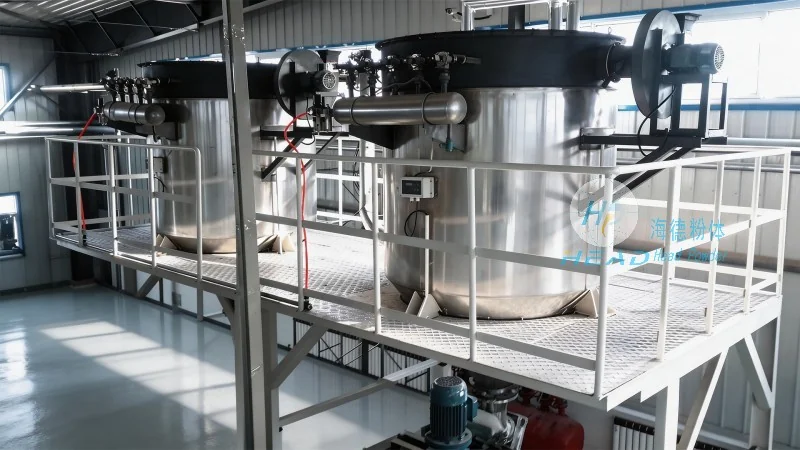
The implementation of rice pneumatic conveying systems by rice producers and processors has yielded significant benefits. For instance, a rice mill in Shandong, China, reported a 30% increase in processing efficiency after adopting HeadPowder's pneumatic conveying system. The system reduced labor costs by 20% and minimized product damage, leading to higher customer satisfaction and increased revenue. Similarly, a rice storage facility in the region reduced its carbon footprint by 15% by replacing traditional conveyors with an eco-friendly pneumatic system. These case studies highlight the practical advantages of rice pneumatic conveying and the positive impact it has on business operations and environmental sustainability.
Conclusion: The Future of Rice Handling
As the agricultural industry continues to evolve, the demand for efficient and sustainable material handling solutions will only grow. Rice pneumatic conveying, with its combination of high efficiency and environmental friendliness, is well-positioned to meet these demands. HeadPowder's commitment to innovation and customization ensures that clients receive systems that are not only effective but also aligned with their long-term goals. By investing in pneumatic conveying technology, rice producers and processors can enhance their operational performance, reduce costs, and contribute to a more sustainable future for the industry.