

Operation Process and Working Principle of Phosphate Calcium Powder Pneumatic Conveying Machine
Shandong HeadPowder Engineering Co., Ltd. is a professional manufacturer specializing in the research, development, and production of advanced pneumatic conveying equipment. The company is headquartered in Shandong, China, and has been committed to providing high-quality solutions for powder handling and material transport in various industrial sectors.
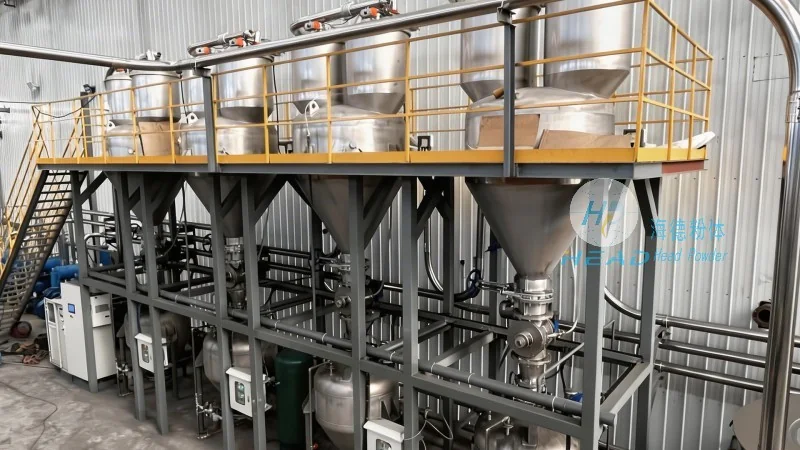

Product Overview: Phosphate Calcium Powder Pneumatic Conveying Machine
Our phosphate calcium powder pneumatic conveying machine is designed to efficiently handle and transport phosphate calcium powders in industrial applications. This equipment is engineered to meet the specific demands of the chemical, food, and pharmaceutical industries, ensuring reliable and safe material transport. The machine is constructed with durable materials and advanced technology to maintain consistent performance under various operating conditions.
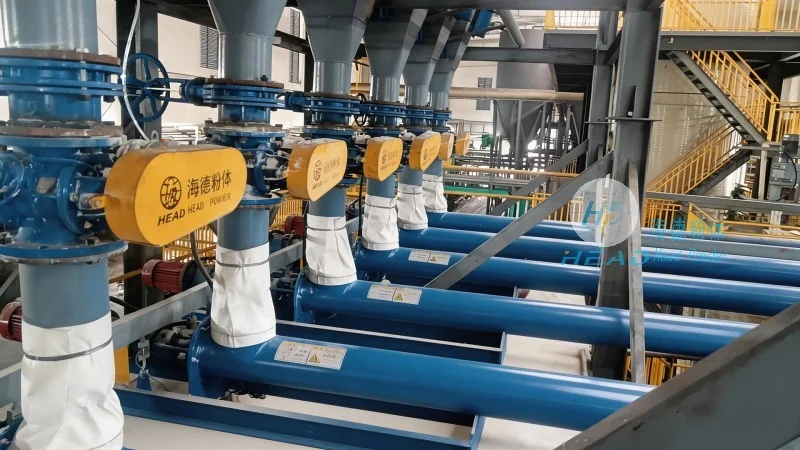
Operation Process of the Pneumatic Conveying Machine
The operation process of the phosphate calcium powder pneumatic conveying machine involves several key steps. First, the phosphate calcium powder is loaded into the hopper or feeding hopper. Then, the material is fed into the conveying line through the feeding mechanism. The air compressor generates the necessary air pressure, which propels the powder particles through the pipeline. The conveying system includes components such as the air compressor, air filter, and pressure regulator to ensure stable and efficient operation. The powder is transported to the destination, such as a storage tank or processing unit, where it is discharged. The system also incorporates safety features, including pressure relief valves and overfill protection, to prevent accidents and ensure safe operation.
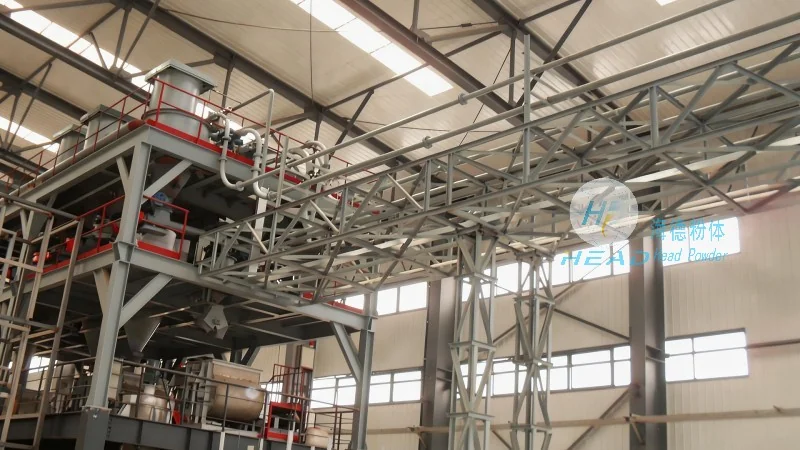
Working Principle of the Pneumatic Conveying Machine
The working principle of the phosphate calcium powder pneumatic conveying machine is based on the pneumatic conveying technology, which uses compressed air to transport powders. The machine operates by creating a pressure differential between the feeding point and the discharge point. The air compressor supplies high-pressure air, which is mixed with the powder in the hopper. The air-powder mixture is then forced through the pipeline, carrying the powder particles to the destination. The conveying velocity and pressure are controlled by the air compressor and the system's control panel to optimize the transport efficiency. The machine's design ensures minimal product degradation and loss, making it suitable for sensitive materials like phosphate calcium powder.