

How to Design a Reasonable Chocolate Pneumatic Conveying System Plan
When it comes to the efficient and hygienic handling of chocolate products in industrial settings, the design of a proper pneumatic conveying system is crucial. This article, presented by Shandong HeadPowder Engineering Co., Ltd., a leading provider in the field, outlines key considerations and steps for creating an effective chocolate pneumatic conveying system plan. The company, based in Shandong, China, specializes in engineering solutions tailored to the unique demands of the confectionery industry.
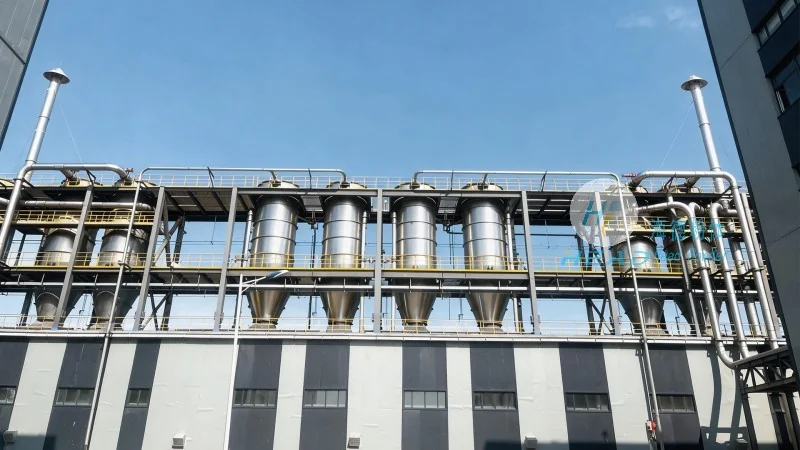
Understanding the Core Components of a Chocolate Pneumatic Conveying System
A well-designed chocolate pneumatic conveying system typically consists of several critical components that work in harmony to ensure smooth material transport. The primary elements include a hopper for material storage, a feeder to control the flow rate, a conveying line (often with multiple sections), and a receiver for the discharged product. Each component must be selected with attention to the specific characteristics of chocolate, such as its moisture content, viscosity, and potential for caking or agglomeration. The system may also incorporate features like air filters, cyclones for separation, and pressure vessels to maintain the integrity of the chocolate during transport.
Key Design Considerations for Chocolate Pneumatic Conveying
Designing a successful chocolate pneumatic conveying system requires careful evaluation of several factors to prevent issues like product degradation, system blockages, or excessive energy consumption. First, the type of conveying method—whether it is pressure or vacuum—must be determined based on the distance, elevation change, and material properties. For chocolate, pressure systems are often preferred due to their ability to handle high moisture content and prevent product degradation caused by air exposure. The choice of conveying line material is also critical; stainless steel or food-grade plastic is commonly used to ensure hygiene and prevent contamination. Additionally, the system should be equipped with appropriate cleaning mechanisms to maintain sanitary conditions, as chocolate is highly susceptible to microbial growth and flavor contamination.
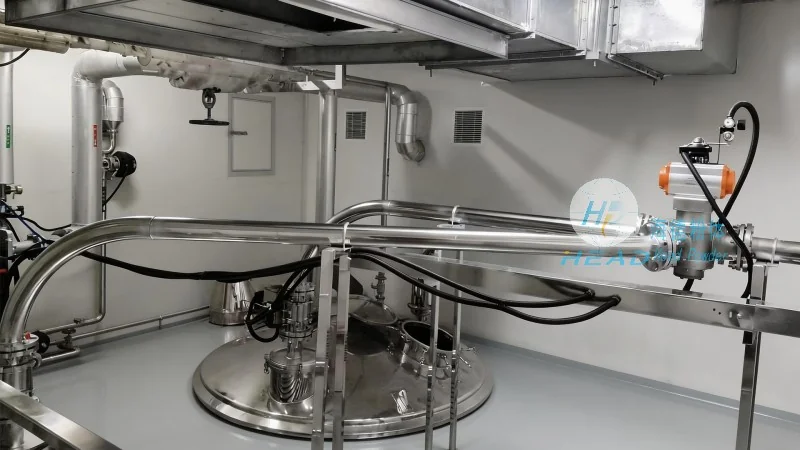
System Sizing and Flow Rate Optimization
Accurate sizing of the conveying system is essential to ensure efficient operation and prevent overloading or underutilization. The flow rate of the chocolate must be matched to the system's capacity, taking into account the material's bulk density and the desired throughput. Calculations often involve determining the required air velocity, which is influenced by the particle size distribution of the chocolate and the system's pressure drop. Proper sizing helps maintain consistent product quality and reduces the risk of system failures, such as blockages or excessive energy use. Shandong HeadPowder Engineering Co., Ltd. employs advanced engineering tools and methodologies to perform these calculations, ensuring that the final system meets both performance and cost-effectiveness requirements.
Integration with Existing Production Lines
For many confectionery manufacturers, integrating a new pneumatic conveying system with existing production lines is a key consideration. The design must ensure seamless connectivity with upstream and downstream equipment, such as mixers, extruders, or packaging machines. This integration requires careful planning of the system's layout, including the positioning of hoppers, feeders, and receivers to minimize material handling distances and reduce the risk of cross-contamination. The system should also be designed to accommodate potential future expansions, allowing for scalability as production needs evolve. By working closely with the client's existing infrastructure, HeadPowder engineers can develop a solution that maximizes operational efficiency and minimizes disruption to the production process.
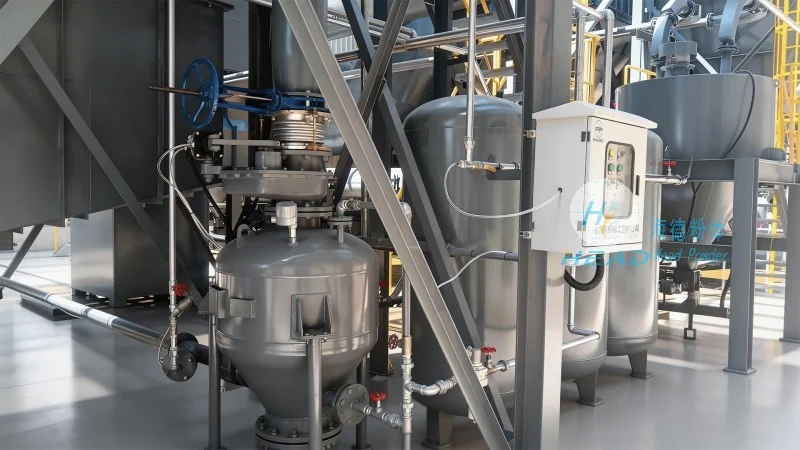
Ensuring Hygiene and Compliance
In the food industry, particularly for products like chocolate, maintaining strict hygiene standards is non-negotiable. The pneumatic conveying system must be constructed from materials that are easy to clean and sanitize, such as stainless steel, and should be designed with smooth surfaces and minimal dead zones to prevent product buildup. The system should also include features like CIP (Clean-In-Place) capabilities, which allow for automated cleaning without disassembling components. Compliance with regulatory standards, such as those set by the FDA or EU food safety guidelines, is another critical aspect of the design. Shandong HeadPowder Engineering Co., Ltd. adheres to these standards in all its projects, ensuring that the final system meets all legal and safety requirements while maintaining the highest level of product quality.
Energy Efficiency and Maintenance Considerations
Designing an energy-efficient chocolate pneumatic conveying system is not only environmentally responsible but also cost-effective for long-term operation. Engineers at HeadPowder focus on optimizing the system's pressure drop and air usage to reduce energy consumption. This may involve selecting the appropriate air compressor size, using efficient filters, and implementing variable speed drives for the feeder and blower. Regular maintenance is also essential to ensure the system operates at peak performance. The design should include easy access points for routine checks and maintenance, such as filter replacements and component inspections. By prioritizing energy efficiency and maintenance-friendly design, the system can provide reliable service for years while minimizing operational costs.
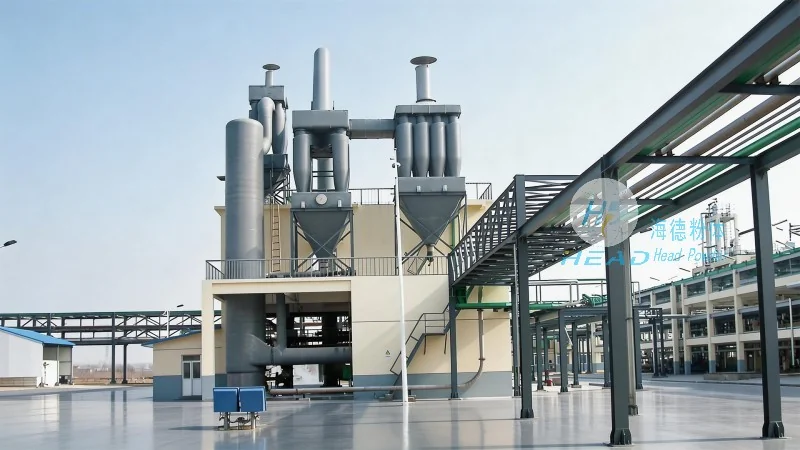
Case Study: Implementing a Chocolate Pneumatic Conveying System in a Confectionery Plant
One of the most effective ways to understand the practical application of a chocolate pneumatic conveying system is through a real-world case study. Consider a mid-sized confectionery plant in China that was experiencing issues with manual chocolate handling, leading to increased labor costs and product quality variability. The plant approached Shandong HeadPowder Engineering Co., Ltd. for a solution. The engineering team conducted a thorough assessment of the plant's production processes, identified bottlenecks, and designed a custom pneumatic conveying system that integrated seamlessly with their existing equipment. The new system included a stainless steel hopper, a rotary feeder, and a pressure conveying line that transported chocolate from the mixing area to the packaging line. The result was a significant reduction in labor costs, improved product consistency, and enhanced hygiene standards. The plant reported a 30% increase in production efficiency and a 20% reduction in energy consumption after the system was installed. This case study highlights the importance of a well-designed pneumatic conveying system in optimizing confectionery production and achieving business goals.
Conclusion: The Importance of Professional Engineering in Chocolate Pneumatic Conveying
Designing a reasonable chocolate pneumatic conveying system is a complex task that requires expertise in both mechanical engineering and food processing. The key to success lies in understanding the unique properties of chocolate and selecting components that ensure efficient, hygienic, and cost-effective operation. Shandong HeadPowder Engineering Co., Ltd., with its headquarters in Shandong, China, offers comprehensive engineering solutions tailored to the needs of the confectionery industry. By focusing on key design considerations, such as system components, flow rate optimization, hygiene compliance, and energy efficiency, manufacturers can achieve reliable and efficient chocolate handling systems. The company's commitment to quality and customer satisfaction ensures that each project is delivered with precision, helping confectionery businesses enhance their production processes and maintain a competitive edge in the market.