

How to Design a Reasonable Silica Powder Pneumatic Conveying System Plan
When it comes to handling and transporting silica powder efficiently and safely, a well-designed pneumatic conveying system is crucial. This article will explore the key considerations and steps involved in creating a reliable system for silica powder, with a focus on the expertise of Shandong HeadPowder Engineering Co., Ltd., a leading provider in the field.
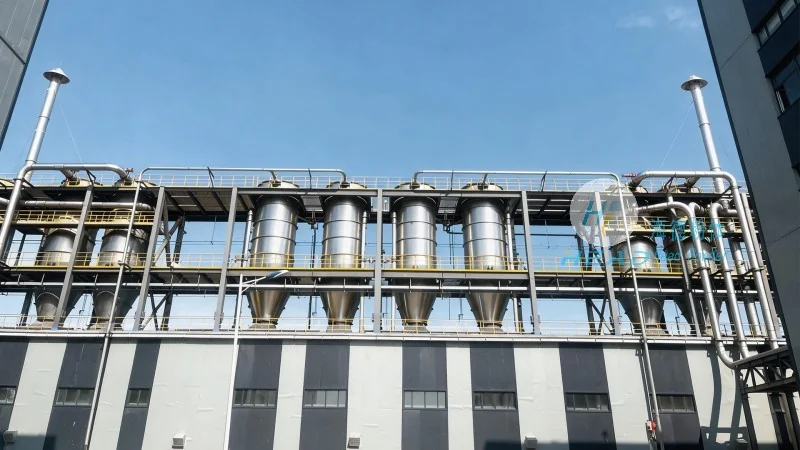
Understanding the Core Requirements for Silica Powder Pneumatic Conveying
Before diving into the design process, it's essential to understand the unique properties of silica powder and the operational demands of the application. Silica powder, often used in industries such as construction, glass manufacturing, and chemical processing, presents specific challenges due to its particle size, density, and flow characteristics. A successful pneumatic conveying system must address these challenges to ensure consistent performance, minimize downtime, and maintain product quality.
Key Design Factors for an Efficient Silica Powder Pneumatic Conveying System
Several critical factors must be considered when designing a pneumatic conveying system for silica powder. These include the system's capacity, the type of conveying method (e.g., dilute phase or dense phase), the pressure requirements, and the material handling infrastructure. The choice of conveying method depends on the specific application, with dilute phase systems being suitable for long-distance transport and dense phase systems offering better control over material flow and pressure.
Another important consideration is the material's dust control and environmental compliance. Silica powder can be a respiratory hazard, and the system must incorporate effective dust collection and filtration mechanisms to ensure workplace safety and regulatory adherence. This involves selecting appropriate filters, such as baghouse or cartridge filters, and implementing proper ventilation systems to capture and contain airborne particles.
System Components and Their Role in Silica Powder Conveying
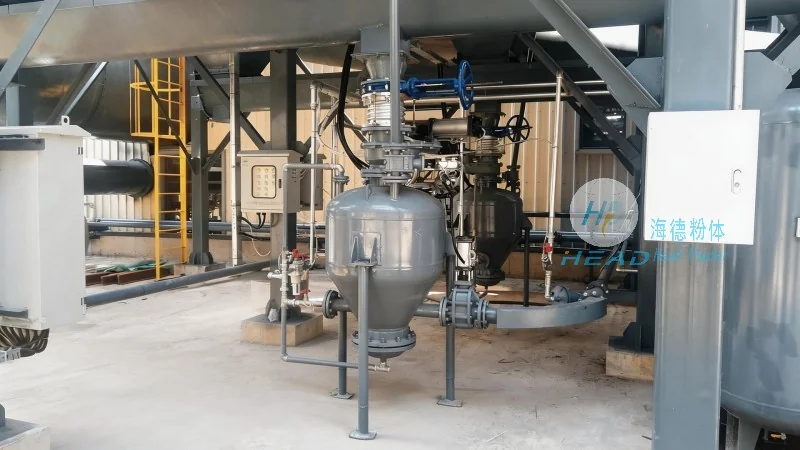
A pneumatic conveying system for silica powder typically consists of several key components, each playing a vital role in the overall operation. These components include the hopper or feeder, which stores and feeds the powder into the system; the air compressor or blower, which generates the necessary airflow; the conveying line, which transports the powder; and the receiver or discharge unit, where the material is collected. Additionally, accessories like valves, check valves, and pressure relief devices are essential for controlling flow and preventing system overpressure.
Engineering Expertise and Customization by Shandong HeadPowder Engineering Co., Ltd.
Shandong HeadPowder Engineering Co., Ltd., operating under the brand name headpowder, specializes in designing and implementing customized pneumatic conveying solutions tailored to the specific needs of clients. With years of experience in the industry, the company leverages advanced engineering principles and state-of-the-art technology to develop systems that optimize performance, reduce operational costs, and enhance safety. The company's team of skilled engineers works closely with clients to assess their requirements, conduct feasibility studies, and provide comprehensive design solutions that meet both functional and regulatory standards.
Addressing Challenges and Ensuring System Reliability
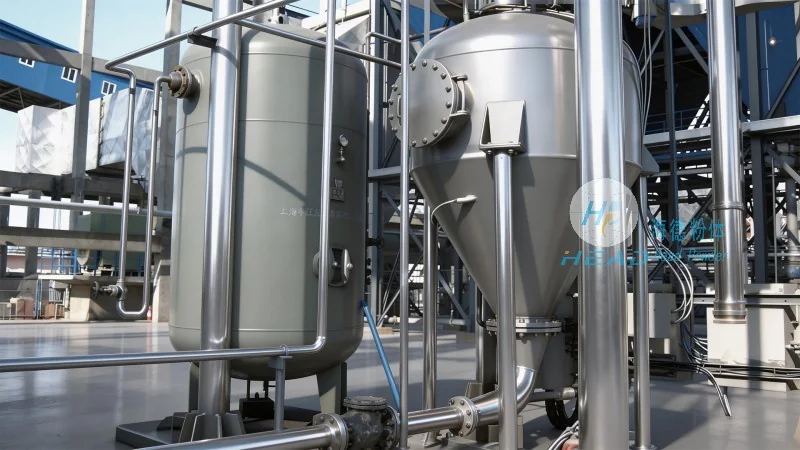
Designing a pneumatic conveying system for silica powder involves addressing several common challenges, such as material buildup, clogging, and system wear. To mitigate these issues, engineers may incorporate features like anti-static measures, self-cleaning mechanisms, and regular maintenance schedules. The system's reliability is further enhanced by using high-quality materials and components that are resistant to corrosion and abrasion, ensuring long-term durability and minimal maintenance requirements.
Conclusion: Building a Reliable Silica Powder Pneumatic Conveying System
Designing a reasonable and efficient pneumatic conveying system for silica powder requires a thorough understanding of the material's properties, the operational requirements, and the available technology. By considering key design factors, selecting appropriate components, and leveraging the expertise of experienced engineering firms like Shandong HeadPowder Engineering Co., Ltd., businesses can achieve reliable, cost-effective, and safe material handling solutions. Whether for short or long-distance transport, the right system design can significantly improve productivity and reduce operational risks in silica powder processing applications.