

Operation Process and Working Principle of Sodium Sulphate Material Handling System Equipment
The sodium sulphate material handling system is a critical industrial equipment designed for efficient transport and processing of sodium sulphate, a widely used chemical in industries such as glass manufacturing, detergents, and food processing. As a core component in material handling operations, this system ensures smooth material movement from storage to processing units, minimizing downtime and enhancing overall production efficiency. Engineered to handle sodium sulphate's granular or powder properties, the system operates under various conditions to maintain optimal performance.
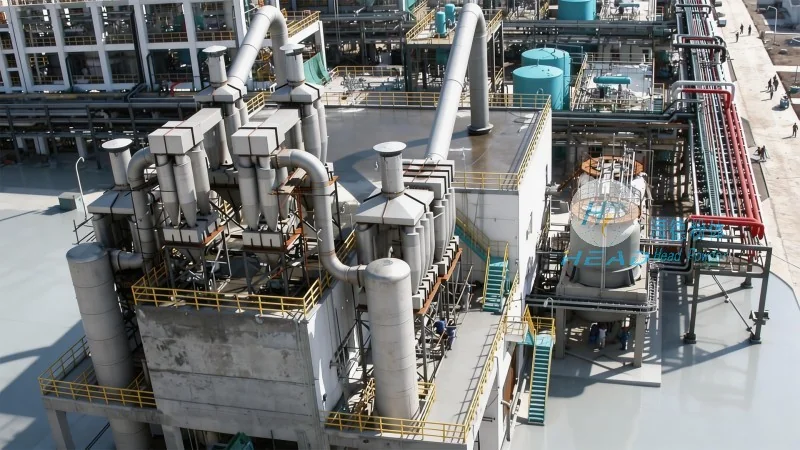
Company Overview: Shandong HeadPowder Engineering Co., Ltd.
HeadPowder, the manufacturer of this advanced system, is a leading provider of chemical processing equipment. With a focus on innovation and quality, HeadPowder has built a reputation as a trusted partner for industries needing reliable material handling solutions. Headquartered in Shandong, China, the company leverages years of expertise to deliver high-performance products that meet international standards. By prioritizing client needs, HeadPowder ensures its sodium sulphate material handling system delivers long-term value and operational excellence.
Key Components of the Material Handling System
The system comprises several integrated components: a hopper for material storage, a conveyor (belt or screw type) for transport, a control panel for monitoring, and a discharge mechanism for delivering material to processing units. The hopper accommodates large volumes of sodium sulphate, providing a stable feed. The conveyor system is engineered to handle the material's physical properties, ensuring consistent speed and direction. The control panel allows real-time adjustments of speed, pressure, and material levels. The discharge mechanism ensures smooth delivery to the next stage, preventing blockages and maintaining continuous operation.
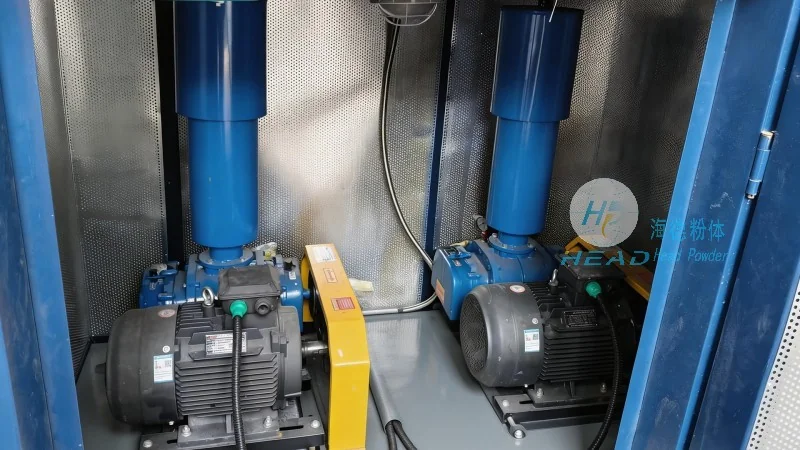
Operation Process of the System
The operation starts with loading sodium sulphate into the hopper. Material is then fed into the conveyor, which transports it to the processing unit. The system runs continuously, with conveyor speed and feed rate adjusted based on production demands. The control panel monitors performance, ensuring consistent material flow and safe operation. Variations in feed or speed are automatically corrected by the control system. The discharge mechanism delivers material to the processing unit without interruptions, sustaining production flow. The process is designed for efficiency and reliability, minimizing downtime.
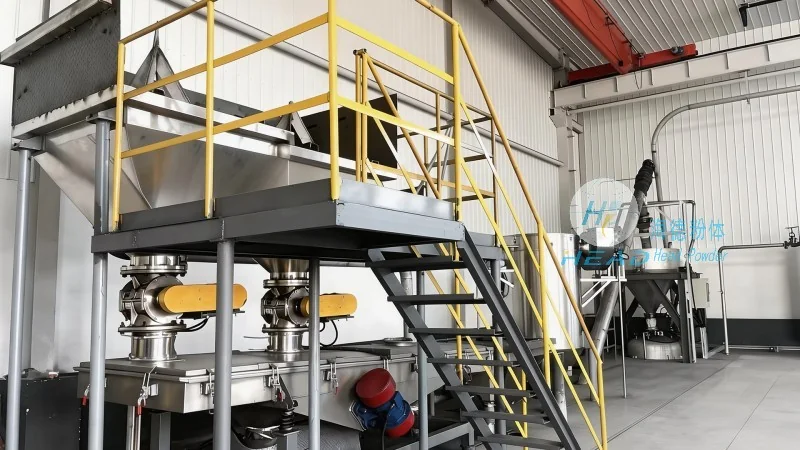
Working Principle of the System
The system operates on mechanical transport principles using conveyor technology. A motor drives the conveyor, moving material from the hopper to the processing unit. The hopper stores large quantities of sodium sulphate, ensuring constant supply. A feeder regulates material flow into the conveyor. The conveyor transports material to the discharge point, where it is delivered to processing units. The control panel monitors key parameters, maintaining safe limits. The system relies on gravity and mechanical force for efficient, safe material movement.
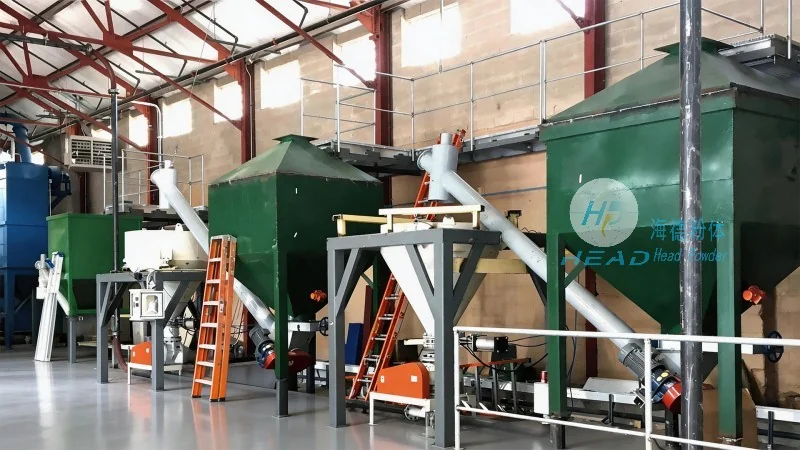
Advantages of the Sodium Sulphate Material Handling System
The system offers several benefits over traditional methods. It provides continuous material flow, reducing downtime and increasing productivity. The components are durable, minimizing maintenance needs. The user-friendly control panel simplifies operation and maintenance. Customization options allow tailoring to specific client requirements. Cost-effectiveness is achieved through reduced operational costs and enhanced efficiency, delivering a high return on investment.
Application Scenarios
The system is widely used in glass manufacturing, detergents, and food processing. In glass production, it transports sodium sulphate to the melting furnace for consistent supply. In detergents, it moves material to mixing and packaging units, ensuring product specifications. In food processing, it delivers sodium sulphate to processing units for efficient, safe food production. Its versatility and reliability make it ideal for industries requiring efficient material handling solutions.