

Operation Process and Working Principle of PVC Granule Material Handling Equipment
For industrial applications involving the transport of PVC granules, understanding the operation process and working principle of specialized material handling equipment is crucial. This article provides a detailed overview of how PVC granule handling systems function, emphasizing the technical aspects and operational efficiency of such equipment.
Introduction to PVC Granule Material Handling Equipment
PVC granules are widely used in various manufacturing processes, including the production of pipes, profiles, and other plastic products. The efficient and reliable transport of these granules from storage to processing units is essential for maintaining production continuity and quality. HeadPowder, a leading engineering company based in Shandong, China, specializes in designing and manufacturing advanced material handling solutions tailored for PVC granule applications.
Key Components of PVC Granule Transport Systems
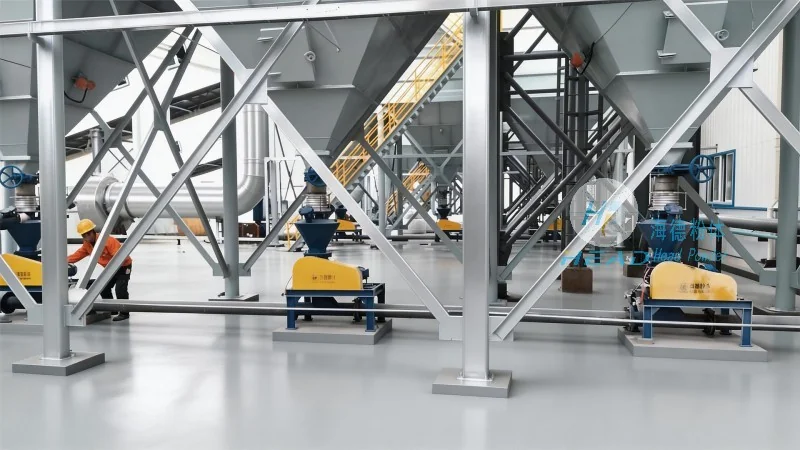
The PVC granule material handling equipment typically consists of several key components that work in tandem to ensure smooth operation. These include feeders, conveyors, storage silos, and control systems. Each component plays a vital role in the overall process, from initial material intake to final discharge.
Operation Process of PVC Granule Handling Equipment
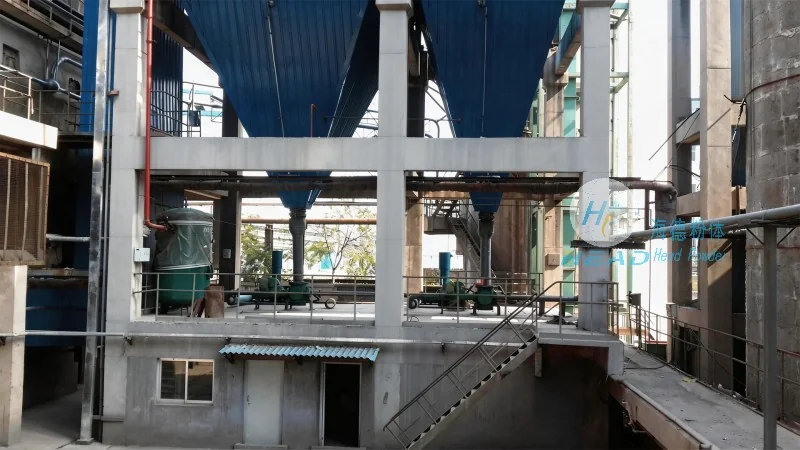
The operation process begins with the loading of PVC granules into a storage silo or hopper. The granules are then fed into a feeder, which regulates the flow rate to match the requirements of the downstream conveyor system. The feeder may use mechanisms such as screw conveyors, vibratory feeders, or rotary valves to control the material flow. Once the granules are properly fed, they are transported through a conveyor system, which can be a belt conveyor, screw conveyor, or pneumatic conveyor, depending on the specific application and distance requirements.
Working Principle of PVC Granule Transport Equipment
The working principle of PVC granule handling equipment is based on mechanical or pneumatic forces that move the material from one location to another. Mechanical conveyors, such as belt or screw conveyors, use rotating components to push or pull the granules along a path. Pneumatic conveyors, on the other hand, utilize air pressure to create a flow of material through a pipeline. The choice of conveyor type depends on factors like the material's properties, the distance to be covered, and the required flow rate.
Control and Monitoring Systems
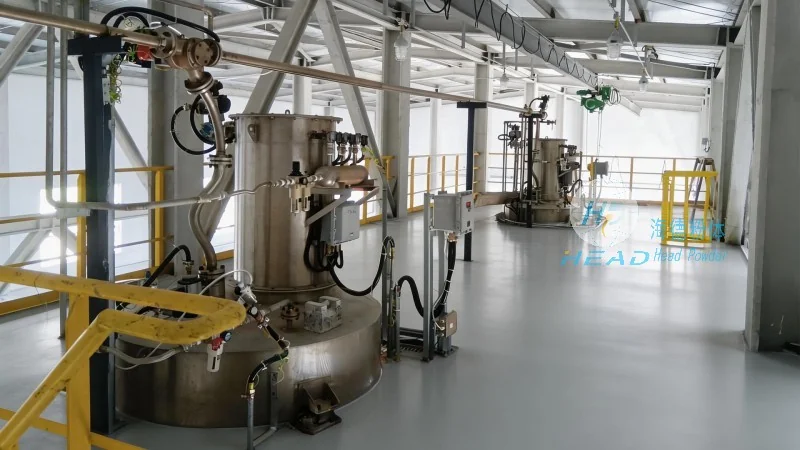
Modern PVC granule transport systems are equipped with advanced control and monitoring systems to ensure optimal performance and safety. These systems may include sensors to detect material levels, flow rates, and blockages, as well as control panels that allow operators to adjust parameters such as speed and pressure. The integration of these systems helps in maintaining consistent production and preventing downtime due to equipment failures.
Maintenance and Operational Considerations
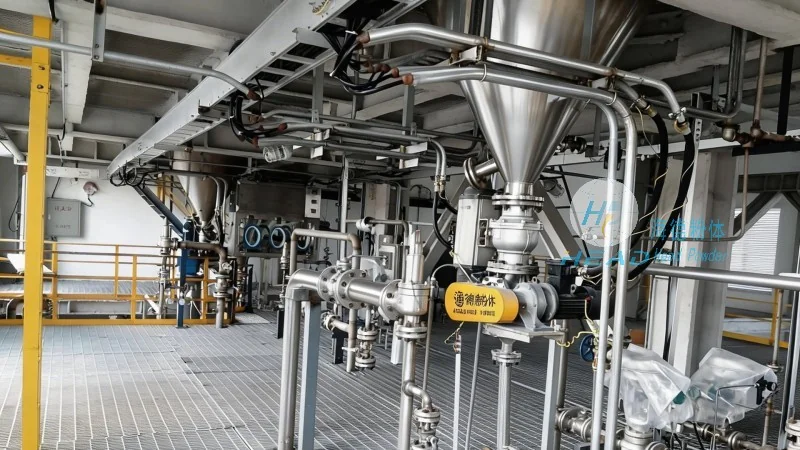
Proper maintenance is essential for the long-term reliability of PVC granule handling equipment. Regular inspections, cleaning, and lubrication of components are necessary to prevent wear and tear. Additionally, operators should follow the manufacturer's guidelines for operation and troubleshooting to ensure the equipment operates within its designed parameters. By adhering to these practices, businesses can maximize the lifespan and efficiency of their material handling systems.
Conclusion
In conclusion, the operation process and working principle of PVC granule material handling equipment are critical for efficient industrial operations. With the expertise of companies like Shandong HeadPowder Engineering Co., Ltd., manufacturers can implement reliable systems that meet their specific needs, ensuring smooth material transport and maintaining production quality. Understanding these processes helps in optimizing operations and reducing potential issues, contributing to overall industrial productivity.