

Operation Process and Working Principle of Calcium Phosphate Material Handling System
Calcium phosphate is a critical raw material in numerous industrial sectors, including fertilizer production, pharmaceutical manufacturing, and food processing. The efficient and reliable transportation of this material is pivotal for maintaining production efficiency and ensuring product quality. This article provides a comprehensive overview of the operation process and working principle of a specialized calcium phosphate material handling system, developed by Shandong HeadPowder Engineering Co., Ltd., a leading manufacturer in the field.
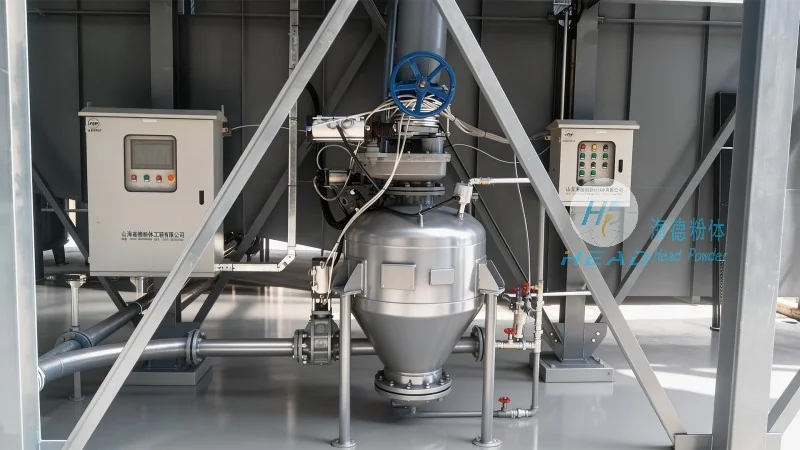
System Overview and Core Components
The calcium phosphate material handling system is engineered to handle bulk materials with precision and safety. The system typically comprises several key components, including feeders, conveyors, storage silos, and control systems. Each component serves a vital role in the overall operation, ensuring smooth material flow from the initial feeding stage to the final discharge. The system is designed to accommodate variations in calcium phosphate properties, such as particle size, moisture content, and bulk density, making adaptability a core feature.
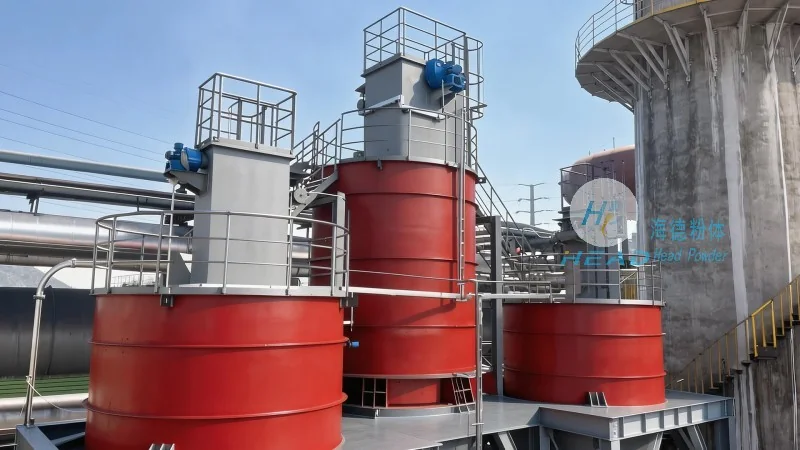
Operation Process: Step-by-Step Guide
The operation of the calcium phosphate material handling system follows a systematic sequence to ensure optimal performance. The process initiates with material feeding, where raw calcium phosphate is introduced into the system via a hopper or silo. The feeder, often a screw or rotary type, regulates the flow rate to maintain a consistent feed to the conveyor. The conveyor then transports the material to the processing or storage area. During this stage, additional components like classifiers or mixers may be integrated to adjust material properties as required. The final step involves the discharge of the material into the subsequent production stage or a storage container. The entire process is monitored and controlled by an advanced control system, which adjusts parameters in real-time to maintain efficiency and prevent equipment damage.
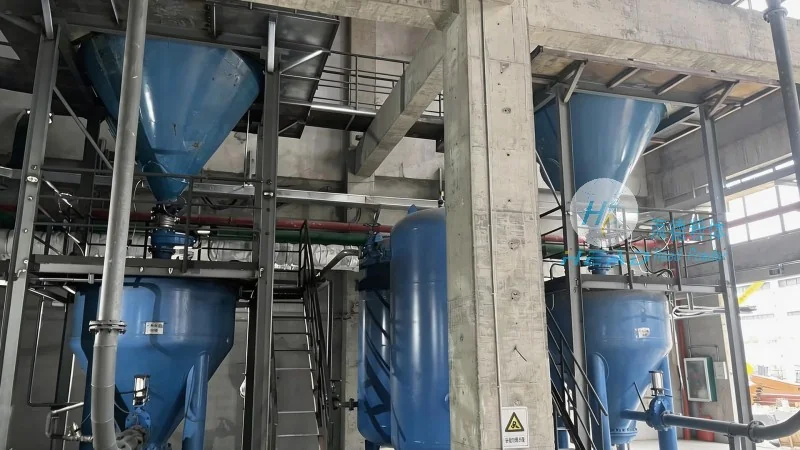
Working Principle: Mechanisms and Technologies
The working principle of the calcium phosphate material handling system is based on mechanical and pneumatic technologies, tailored to the material's characteristics. The system leverages gravity and mechanical force to move the material through the process. The feeder controls the initial flow, while the conveyor uses belts or buckets to transport material horizontally or vertically. For vertical transport, bucket elevators or chain conveyors are commonly employed to handle the material's bulk density and prevent clogging. The control system integrates sensors and actuators to monitor parameters such as flow rate, pressure, and temperature, ensuring the system operates within safe and efficient limits. This integrated approach allows for precise control over the material handling process, minimizing waste and maximizing throughput.
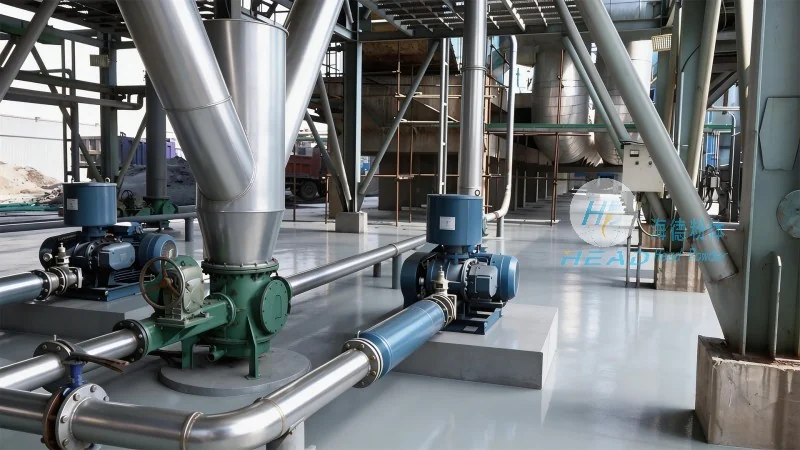
Advantages and Applications
The calcium phosphate material handling system offers several advantages, making it suitable for diverse industrial applications. Its design ensures high efficiency, low maintenance, and minimal material loss. The system is also flexible, allowing for customization to meet specific production needs. It is widely utilized in fertilizer plants, where calcium phosphate is a key component in nutrient formulations, and in pharmaceutical factories, where the material is used in supplement and medication production. Additionally, the system is suitable for food processing applications, where the material serves as a dietary supplement or fortifier. The system's reliability and durability make it a preferred choice for industries requiring consistent and high-quality material handling solutions.