

Operation Process and Working Principle of Metal Silicon Powder Conveying System Equipment
Shandong HeadPowder Engineering Co., Ltd., a professional manufacturer based in Shandong, China, specializes in the design, production, and supply of advanced metal silicon powder conveying systems. The company, often referred to as HeadPowder, focuses on delivering high-efficiency and reliable equipment tailored to the needs of the metal silicon industry. This article provides a detailed overview of the operation process and working principle of such systems, highlighting key components and operational mechanisms.
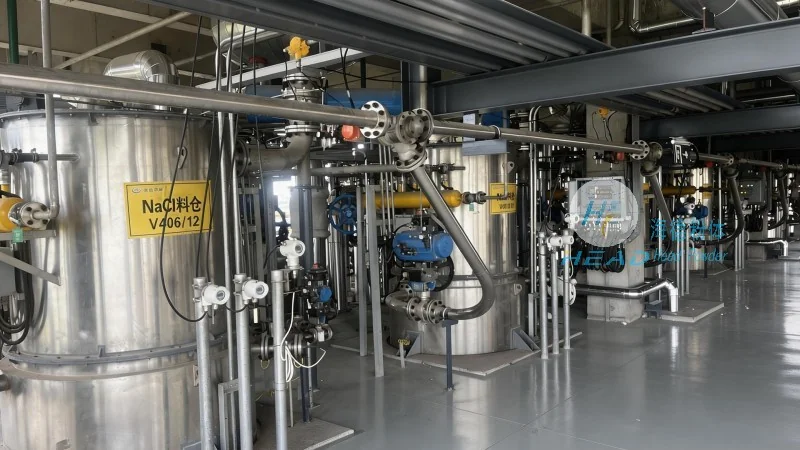
Key Components of the Metal Silicon Powder Conveying System
The metal silicon powder conveying system typically consists of several core components that work in tandem to ensure efficient material handling. These include a hopper for material storage, a feeder to control the flow rate, a conveyor system (such as a screw or pneumatic conveyor) for transporting the powder, and a control unit to manage the entire process. Each component plays a crucial role in maintaining the system's performance and safety.
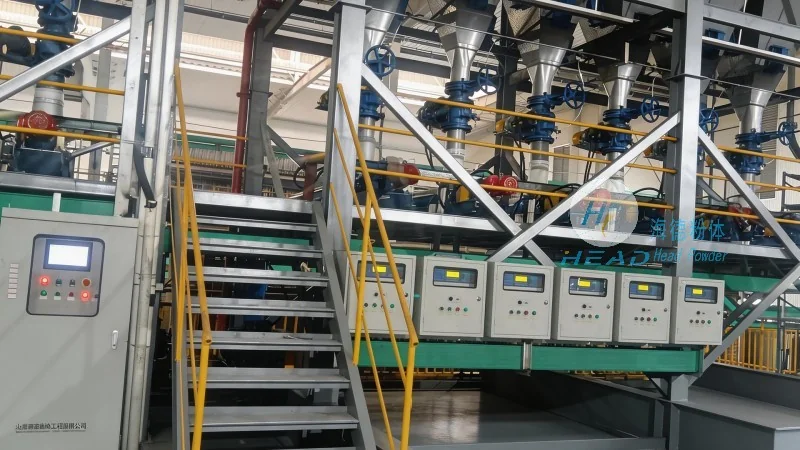
Working Principle of the Conveying System
The operation of the metal silicon powder conveying system begins with the loading of metal silicon powder into the hopper. The powder is then fed into the conveyor system through the feeder, which regulates the flow based on the required output rate. For pneumatic conveying systems, compressed air is used to transport the powder through a network of pipes, while screw conveyors utilize rotating screws to move the material. The control unit monitors parameters like pressure, flow rate, and temperature to ensure optimal operation and prevent issues such as blockages or overloading.
Operation Process: From Loading to Discharge
The entire operation process of the metal silicon powder conveying system can be broken down into several stages. First, the hopper is filled with metal silicon powder, ensuring a sufficient supply for continuous operation. Next, the feeder adjusts the feed rate to match the system's capacity, preventing excess material from entering the conveyor. The conveyor then transports the powder to the discharge point, where it is collected in a storage tank or directly to the next processing stage. Throughout this process, the control unit continuously monitors and adjusts the system to maintain stable performance. Regular maintenance, such as cleaning the conveyor and checking for wear on components, is essential to ensure the system operates efficiently and safely over time.
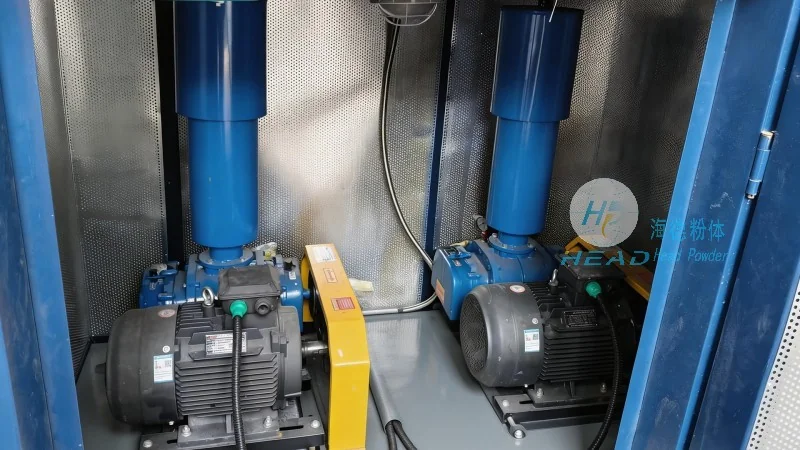
Advantages of the Metal Silicon Powder Conveying System
Implementing a metal silicon powder conveying system offers several advantages for industrial applications. The system enhances material handling efficiency by reducing manual labor and minimizing the risk of dust exposure. It also ensures consistent material flow, which is critical for maintaining quality in downstream processes. Additionally, the automated control features help in optimizing energy usage and reducing operational costs. The robust design of the equipment allows it to handle abrasive metal silicon powder without significant wear, extending its service life.