

Operation Process and Working Principle of High-Calcium Powder Conveying System
High-calcium powder conveying systems are critical components in industrial processes that handle bulk materials, particularly in applications requiring the efficient transport of calcium-rich powders. These systems are designed to ensure reliable, safe, and efficient material handling, which is essential for maintaining production efficiency and product quality. The operation process and working principle of such systems involve several key stages and mechanisms that work in tandem to achieve optimal performance.
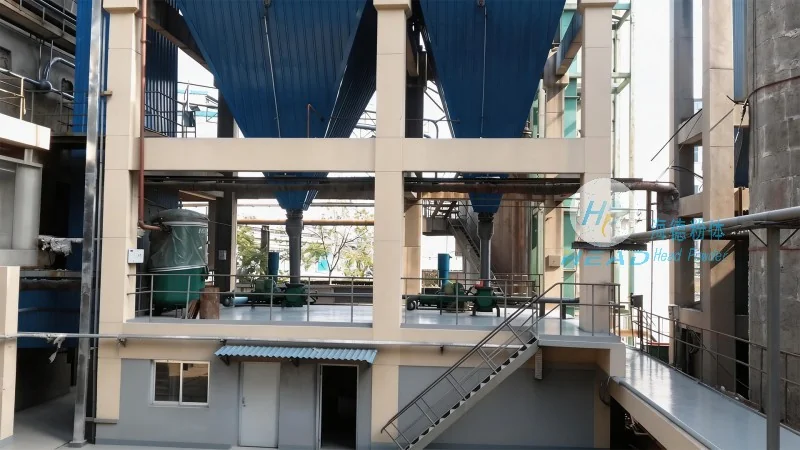
System Overview and Core Components
Before delving into the operation process, it is essential to understand the primary components of a high-calcium powder conveying system. These systems typically consist of a hopper for material storage, a feeding mechanism (such as a screw feeder or rotary valve), a conveying device (like a pneumatic or mechanical conveyor), and a control system for monitoring and regulating the process. The design of these components is tailored to handle the specific characteristics of high-calcium powders, which may include high density, abrasive properties, or moisture sensitivity. The company, Shandong HeadPowder Engineering Co., Ltd., specializes in developing customized solutions that address these challenges, ensuring that each system is optimized for the client's specific operational needs.
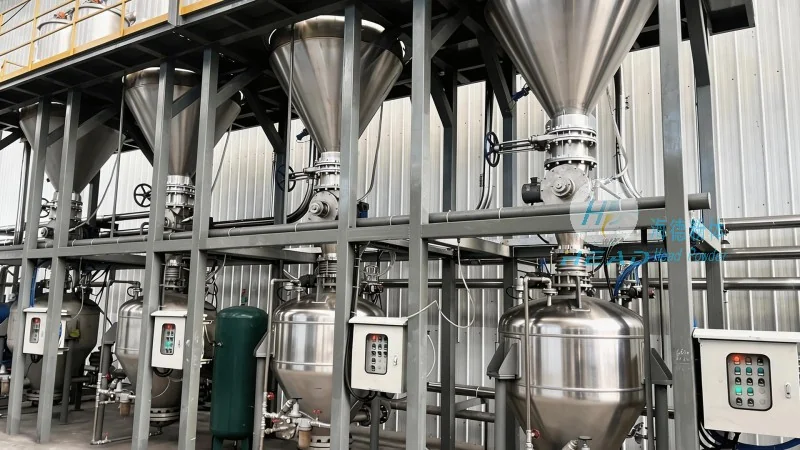
Operation Process: Step-by-Step Execution
The operation process of a high-calcium powder conveying system begins with the loading of the material into the hopper. The hopper is designed to accommodate the bulk volume of the powder and is equipped with a level indicator to monitor the material level. Once the material reaches a certain level, the feeding mechanism activates, typically through a screw feeder or rotary valve, which controls the flow rate of the powder into the conveying line. The feeding rate is crucial as it directly impacts the system's capacity and the risk of material bridging or clogging. After the powder is fed into the conveying device, it is transported to the discharge point, which may be a silo, storage tank, or processing unit. The control system continuously monitors parameters such as pressure, flow rate, and temperature to ensure that the operation remains within safe and efficient limits. Any deviations are immediately detected and corrected by the control system, preventing potential issues like overloading or underflow.
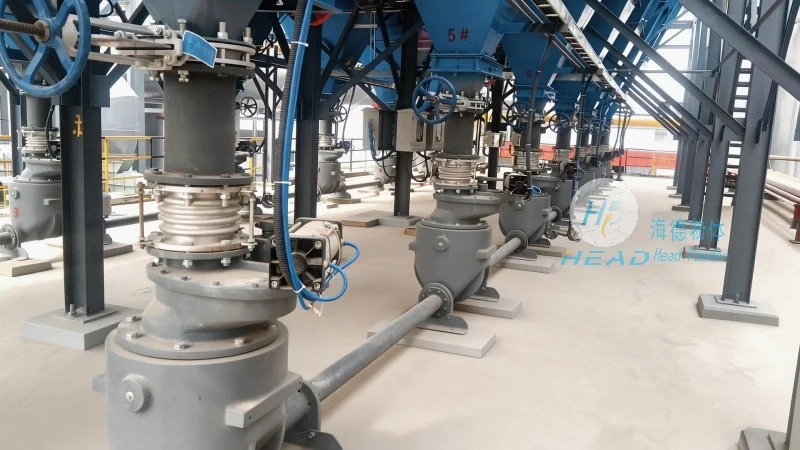
Working Principle: Mechanisms and Technologies
The working principle of a high-calcium powder conveying system relies on the interaction between the material properties and the conveying technology used. For pneumatic conveying systems, the powder is suspended in a stream of air and transported through pipes. The air velocity is carefully controlled to maintain the powder in a suspended state, preventing it from settling or clogging the pipes. Mechanical conveying systems, on the other hand, use rotating components such as screws or belts to move the powder. These systems are often preferred for high-density or abrasive powders as they provide more reliable and consistent flow. The choice of technology depends on factors such as the material's characteristics, the distance to be conveyed, and the required capacity. Shandong HeadPowder Engineering Co., Ltd. employs advanced engineering principles to select the most suitable technology for each application, ensuring that the system operates efficiently and with minimal maintenance.
Key Advantages and Technical Features
High-calcium powder conveying systems offer several advantages that make them indispensable in industrial settings. These include high conveying capacity, which allows for the efficient transport of large volumes of material, and the ability to handle abrasive or corrosive materials without significant wear and tear. The systems are also designed for low maintenance, with components that are easy to replace and inspect. Additionally, the control systems provide real-time monitoring and data logging, enabling operators to track performance and identify potential issues before they become major problems. The company's expertise in material handling and engineering ensures that each system is built to meet the highest standards of safety and reliability, with features such as explosion-proof designs for hazardous environments and dust suppression systems to prevent airborne contamination.
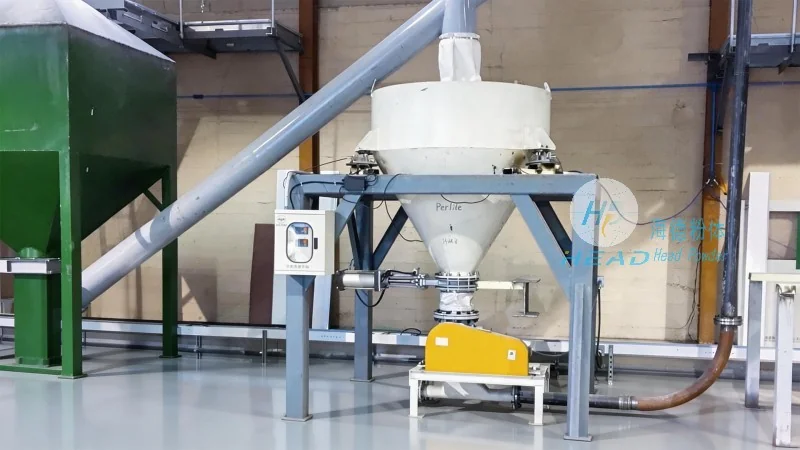
Application Examples and Industry Impact
High-calcium powder conveying systems are widely used in various industries, including the chemical, food, and pharmaceutical sectors. In the chemical industry, they are used to transport calcium-based compounds for manufacturing processes, while in the food industry, they handle calcium-rich ingredients for nutritional supplements and fortified products. The pharmaceutical industry also relies on these systems for the transport of calcium supplements and other powders used in drug formulations. The efficient operation of these systems directly impacts production efficiency, as any downtime or material loss can result in significant financial losses. By providing reliable and efficient conveying solutions, Shandong HeadPowder Engineering Co., Ltd. helps clients maintain their competitive edge in the market, ensuring that their production processes run smoothly and consistently.