

Principle and Working Scene Characteristics of PVA-Formaldehyde Material Pneumatic Conveying Equipme
For industrial applications involving the handling of PVA-formaldehyde materials, efficient and reliable material transport is crucial. Pneumatic conveying equipment offers a sophisticated solution, integrating principles of fluid dynamics and mechanical engineering to ensure safe, effective, and low-maintenance material transfer. This article explores the underlying principles of PVA-formaldehyde material pneumatic conveying systems and highlights key working scene characteristics that define their operational effectiveness.
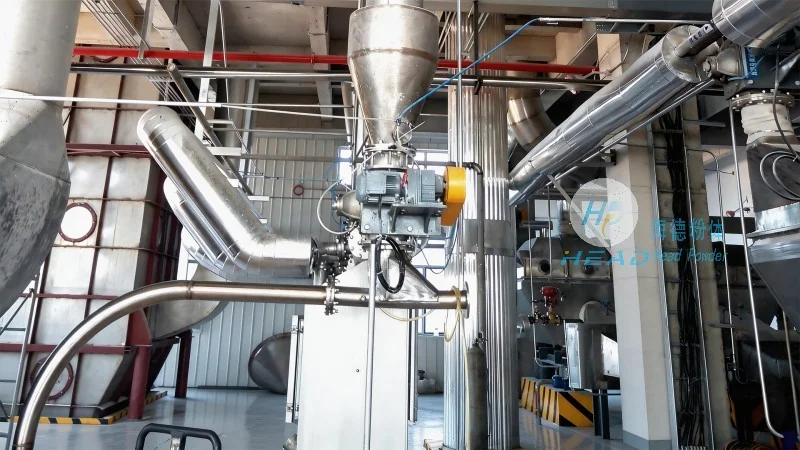
Understanding Pneumatic Conveying Principles for PVA-Formaldehyde Materials
Pneumatic conveying systems operate on the fundamental principle of transporting bulk materials through a pipeline using a moving gas stream, typically air or a combination of air and other gases. In the case of PVA-formaldehyde materials, which often exhibit specific physical and chemical properties such as moisture sensitivity or varying particle sizes, the design of the conveying system must be tailored to accommodate these characteristics. The core components of a typical pneumatic conveying system include a material feed hopper, a conveying pipeline, a gas source (usually a blower or compressor), and a discharge mechanism. The material is fed into the system, and the gas stream propels the material particles through the pipeline, delivering them to the desired destination. The choice of conveying method—such as pressure or vacuum systems—depends on factors like material properties, distance, and system layout. For PVA-formaldehyde, which may require gentle handling to avoid degradation or agglomeration, a pressure system with controlled air velocity is often preferred to minimize particle impact and maintain material integrity.
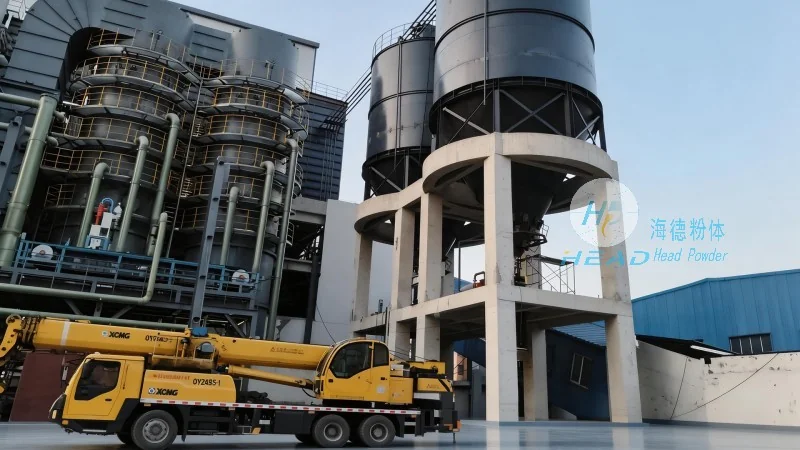
Key Working Scene Characteristics of PVA-Formaldehyde Pneumatic Conveying Equipment
The operational effectiveness of PVA-formaldehyde material pneumatic conveying equipment is defined by several critical characteristics that adapt to the unique demands of industrial processes. First, the system must ensure consistent material flow and minimal pressure drop across the pipeline to maintain efficiency. This involves selecting appropriate pipeline diameters, bends, and fittings that minimize resistance and prevent material buildup. Second, the equipment must provide precise control over the conveying rate, allowing operators to adjust the flow based on production needs. This is achieved through variable speed drives for the gas source and adjustable feed mechanisms. Third, the system must incorporate features for material separation and cleaning, such as cyclones or filters, to prevent clogging and maintain long-term performance. For PVA-formaldehyde, which may be prone to sticking or agglomeration, these features are essential to avoid system downtime and ensure continuous operation. Additionally, the equipment must be designed for easy maintenance and cleaning, as PVA-formaldehyde materials can adhere to surfaces and require regular maintenance to prevent blockages. The working scene characteristics also include considerations for environmental factors, such as dust control and noise reduction, to ensure compliance with industrial safety standards and maintain a safe working environment.
Application Scenarios and Operational Advantages
PVA-formaldehyde material pneumatic conveying equipment is widely used in various industrial applications, including chemical manufacturing, pharmaceutical production, and material processing. In chemical plants, the equipment is employed to transport PVA-formaldehyde powders from storage silos to processing units, ensuring a seamless and controlled supply of raw materials. In pharmaceutical facilities, the system’s ability to handle fine powders with minimal contamination makes it ideal for transporting PVA-formaldehyde used in drug formulations or coatings. The operational advantages of pneumatic conveying over traditional methods, such as bucket elevators or belt conveyors, include higher efficiency, lower labor costs, and reduced risk of material degradation. The system’s ability to operate in a closed environment also minimizes dust emissions and improves workplace safety. Furthermore, the flexibility of pneumatic conveying systems allows for easy integration with existing production lines, making them a cost-effective solution for upgrading or expanding material handling capabilities.
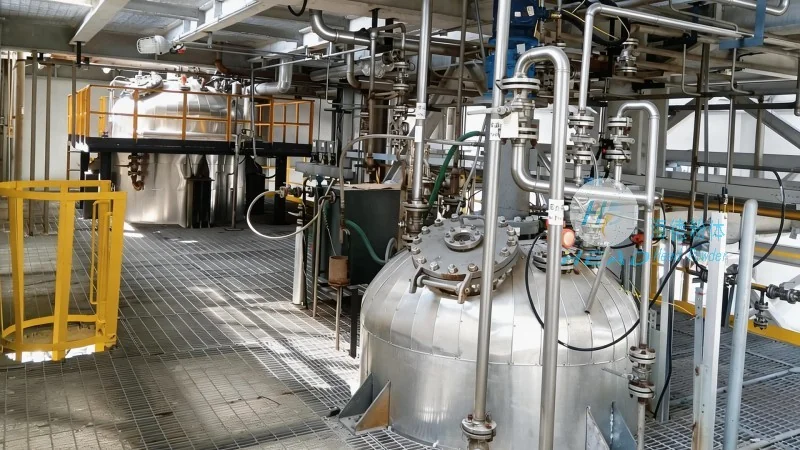
Company Overview: Shandong HeadPowder Engineering Co., Ltd.
Shandong HeadPowder Engineering Co., Ltd., a leading manufacturer of industrial material handling equipment, specializes in designing and manufacturing pneumatic conveying systems tailored to the specific needs of PVA-formaldehyde and other industrial materials. With a strong focus on innovation and quality, the company has developed advanced solutions that address the unique challenges of handling PVA-formaldehyde, such as moisture sensitivity and particle size variations. The company’s facilities are located in Shandong, China, where it leverages local expertise and resources to deliver high-performance equipment that meets international standards. HeadPowder Engineering is committed to providing reliable, efficient, and cost-effective solutions for material transport, ensuring that its customers can optimize their production processes and enhance operational efficiency. The company’s team of engineers and technicians work closely with clients to understand their specific requirements and develop customized pneumatic conveying systems that deliver superior performance and long-term value.