

Principle and Working Scene Characteristics of Flake Graphite Material Pneumatic Conveying Equipment
Flake graphite, a critical material in modern industrial applications such as battery manufacturing, lubricants, and conductive coatings, requires specialized handling equipment to ensure efficient and safe transport. Pneumatic conveying systems have emerged as a preferred solution for moving flake graphite due to their ability to handle fine or dusty materials without the need for mechanical components that could cause contamination or damage. This article explores the fundamental principles behind flake graphite pneumatic conveying equipment and highlights key working scene characteristics that make these systems effective in industrial settings.
About Headpowder: A Leader in Material Handling Solutions
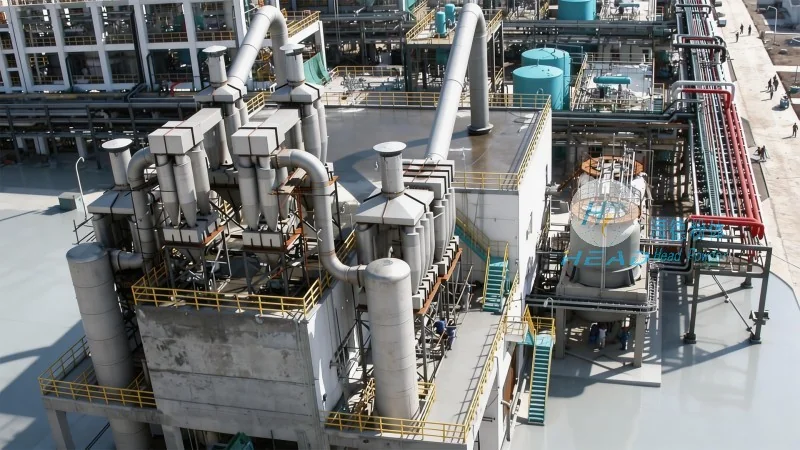
Headpowder, operating as Shandong HeadPowder Engineering Co., Ltd., is a prominent provider of advanced material handling technologies. With a focus on innovation and reliability, the company specializes in designing and manufacturing pneumatic conveying systems tailored to the unique needs of various industries. Headpowder’s expertise lies in understanding the physical properties of materials like flake graphite and developing equipment that optimizes performance, safety, and operational efficiency. The company’s facilities are located in Shandong, China, where it leverages local resources and industry expertise to deliver high-quality solutions to global clients.
The Principle of Pneumatic Conveying for Flake Graphite
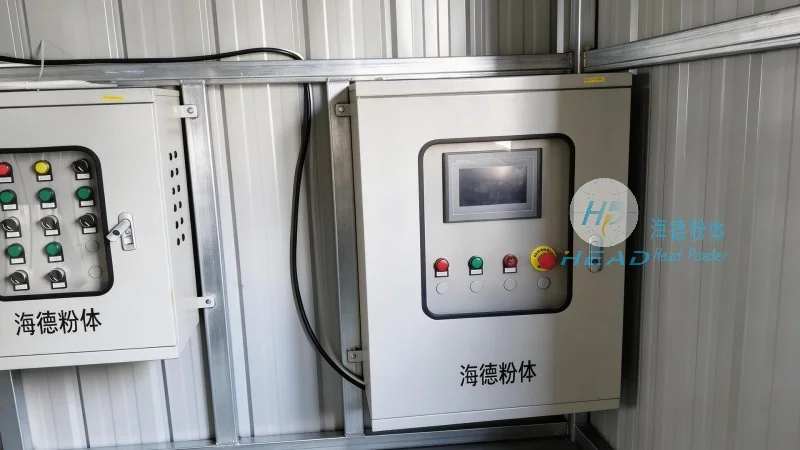
Pneumatic conveying systems operate by using air or gas to transport bulk materials through a pipeline. For flake graphite, which is typically lightweight and can be prone to dusting, two primary types of systems are commonly used: positive pressure and negative pressure (or vacuum) systems. Positive pressure systems generate air flow that pushes material through the pipeline, while negative pressure systems create a vacuum that pulls material into the system. The choice between these systems depends on factors such as material characteristics, distance of transport, and environmental considerations. In flake graphite applications, positive pressure systems are often preferred due to their ability to handle abrasive materials and maintain consistent flow rates. The equipment typically includes a hopper for material storage, a conveyor line with appropriate diameter and length, and a control system to regulate air pressure and flow. The design of the conveying line, including bends and fittings, is critical to minimize material degradation and ensure smooth transport. For flake graphite, which is sensitive to impact and friction, specialized components like flexible hoses or smooth-lined pipes are used to reduce wear and prevent particle breakage.
Key Working Scene Characteristics of Flake Graphite Pneumatic Conveying Equipment
The effectiveness of flake graphite pneumatic conveying equipment is heavily influenced by several working scene characteristics that must be considered during system design and operation. One of the most important factors is the material’s density and particle size distribution. Flake graphite typically has a low bulk density, which can affect the air velocity required for efficient transport. Proper air velocity is crucial to prevent material settling or blockages in the pipeline. Another key characteristic is the material’s moisture content, as moisture can cause clumping and reduce the effectiveness of the conveying system. Headpowder’s systems incorporate moisture control features, such as drying units or pre-treatment steps, to ensure optimal performance. The distance and layout of the conveying line also play a significant role. Longer distances may require booster units or larger diameter pipes to maintain sufficient air pressure and prevent material degradation. Additionally, the presence of other materials or contaminants in the system must be managed to avoid cross-contamination, which is particularly important for flake graphite used in high-purity applications like battery anodes. The control system of the equipment is another critical aspect, as it allows for real-time monitoring of pressure, flow rate, and material level. This enables operators to adjust parameters dynamically, ensuring consistent performance and minimizing downtime. Safety features, such as explosion-proof designs and dust suppression systems, are also essential in industrial environments where flake graphite is handled, as these materials can be flammable or create hazardous dust clouds. Headpowder’s systems are designed with these safety considerations in mind, adhering to industry standards and regulations to protect both personnel and equipment.
Applications and Benefits in Industrial Settings
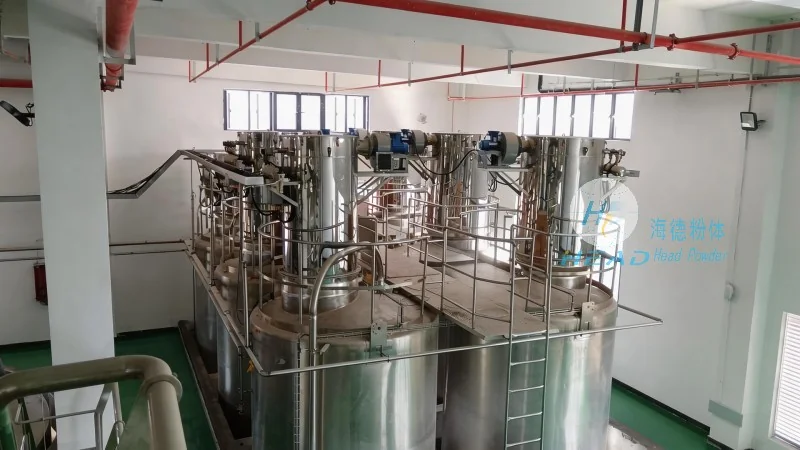
Flake graphite pneumatic conveying equipment is widely used in various industrial applications where the material’s purity and consistency are paramount. In battery manufacturing, for example, flake graphite is used as an anode material, and the conveying system must ensure that the material is free from contaminants and has a consistent particle size distribution. This is critical for achieving high battery performance and longevity. In the lubricant industry, flake graphite is added to greases and oils to improve lubrication and reduce friction. The conveying system must maintain the material’s integrity to prevent it from breaking down into fine particles that could clog machinery. Additionally, in conductive coatings and composites, the uniform distribution of flake graphite is essential for achieving desired electrical conductivity. The benefits of using pneumatic conveying systems for flake graphite extend beyond material integrity. These systems offer high throughput rates, allowing for efficient production processes and reduced labor costs. They also provide a closed-loop system that minimizes dust emissions and environmental impact, which is increasingly important in modern industrial operations. Furthermore, the flexibility of pneumatic conveying allows for easy integration with existing production lines, making it a cost-effective solution for upgrading or expanding material handling capabilities. Headpowder’s systems are designed to meet these diverse application needs, providing customized solutions that enhance operational efficiency and product quality.