

Principle and Working Scene Characteristics of Pneumatic Conveying Equipment for Aluminum Turnings
The pneumatic conveying equipment for aluminum turnings operates on the principle of transporting solid materials using air or gas as the conveying medium. This method is particularly suitable for handling light, powdery, or granular materials like aluminum turnings, which are often produced in aluminum processing and recycling operations. The core mechanism involves creating a pressure differential or using a vacuum to draw the material into a pipeline, where it is then carried by the moving air stream to the destination. For aluminum turnings, the equipment typically employs an aspiration system, which is effective for handling materials with low bulk density and the tendency to create dust. The system includes a hopper for material storage, a rotary valve for controlled discharge, a pipeline network, and a receiver for material deposition. The air flow is generated by a blower or fan, and the velocity is carefully controlled to ensure the material is fully suspended and transported without clogging or degradation. This approach eliminates the need for mechanical components like belts or buckets, reducing maintenance and increasing operational reliability.
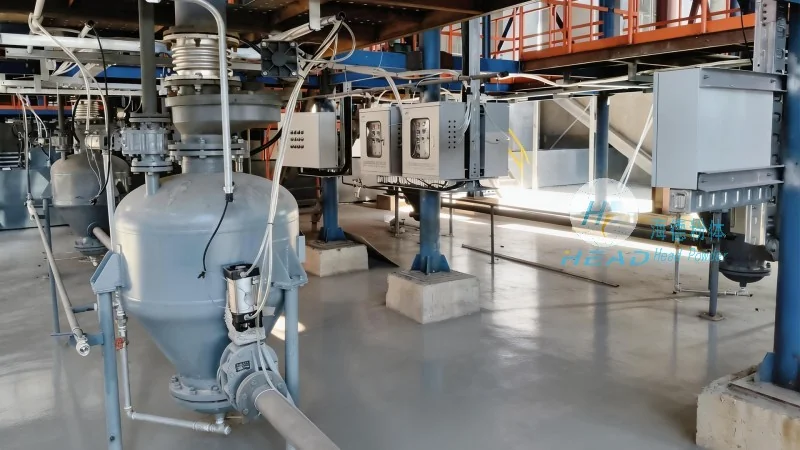
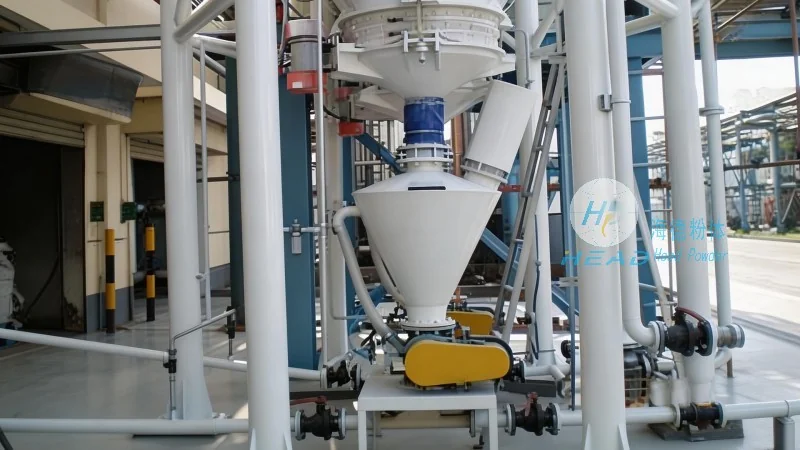
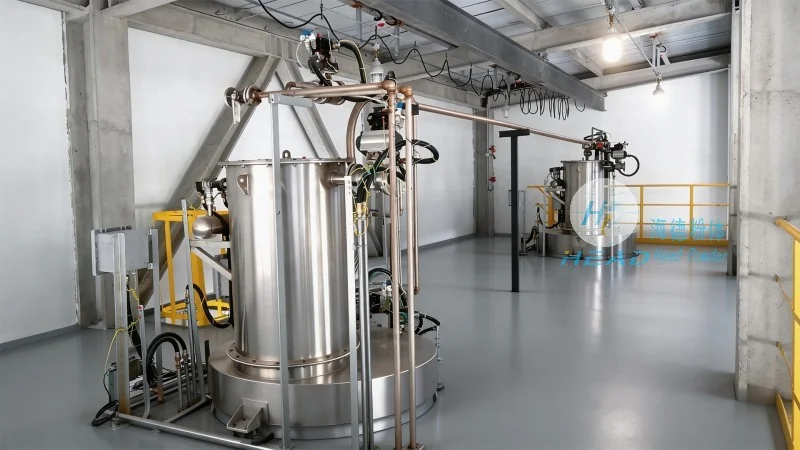
Working Scene Characteristics of the Equipment
The application of pneumatic conveying equipment for aluminum turnings is characterized by specific operational environments and material handling requirements. In aluminum processing facilities, such as casting and rolling plants, the equipment is used to collect and transport aluminum turnings from various production points, including grinding machines, cutting tools, and waste processing areas. The key advantages in these scenes include the ability to handle large volumes of material with minimal human intervention, as the system can be automated to follow production cycles. In recycling operations, the equipment facilitates the transfer of aluminum turnings from collection bins to processing lines, ensuring a continuous flow of raw material for re-melting or further refinement. The equipment is also well-suited for use in environments where dust control is critical, such as in indoor processing facilities or enclosed recycling centers. The design of the conveying lines and receivers often incorporates dust filtration systems, which capture any airborne particles and return them to the conveying stream, maintaining material integrity and environmental compliance. Additionally, the equipment’s compact footprint and flexible pipeline layout allow it to be integrated into existing production layouts without significant structural modifications, making it a practical solution for both new and retrofit installations.
Company Profile and Technical Expertise
Shandong HeadPowder Engineering Co., Ltd., commonly known as HeadPowder, specializes in the design, manufacturing, and installation of pneumatic conveying systems tailored to the unique demands of aluminum turnings and other light metal powders. With headquarters in Shandong, China, the company leverages over two decades of experience in material handling technology to develop solutions that address the challenges of handling abrasive, low-density materials like aluminum turnings. The company’s engineering team conducts thorough material analysis to determine the optimal conveying velocity, pipeline diameter, and air pressure for each application, ensuring efficient and reliable operation. HeadPowder’s equipment is built with high-quality materials, such as stainless steel and wear-resistant alloys, to withstand the corrosive and abrasive nature of aluminum turnings, extending the equipment’s service life. The company also provides comprehensive after-sales support, including maintenance services, spare parts supply, and technical training, to ensure clients achieve maximum performance and minimal downtime. By focusing on the specific needs of aluminum processing and recycling industries, HeadPowder has established itself as a trusted partner for businesses seeking to improve material handling efficiency and reduce operational costs.