

Principle and Working Scene Characteristics of Hay Pellet Material Pneumatic Conveying System
Shandong HeadPowder Engineering Co., Ltd., a leading enterprise in the field of material handling technology, specializes in the design, manufacturing, and installation of advanced pneumatic conveying systems. Headquartered in Shandong, China, the company leverages decades of industry experience to deliver efficient and reliable solutions for transporting bulk materials, including hay pellets. This article explores the fundamental principles behind pneumatic conveying systems and highlights the key characteristics of their application in various working environments.
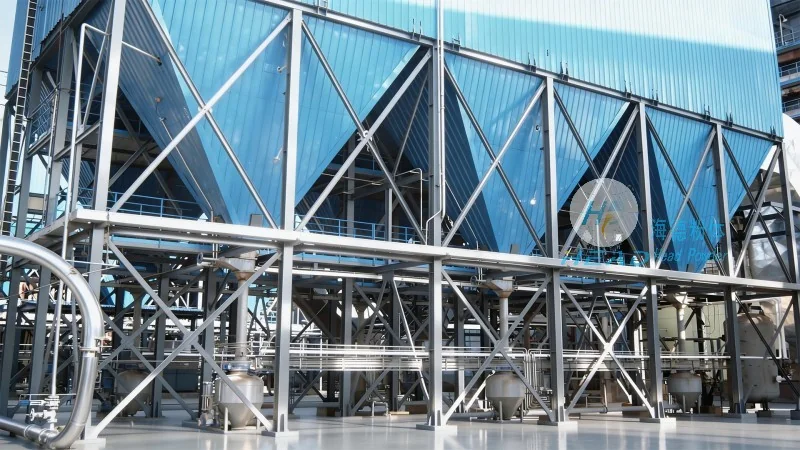
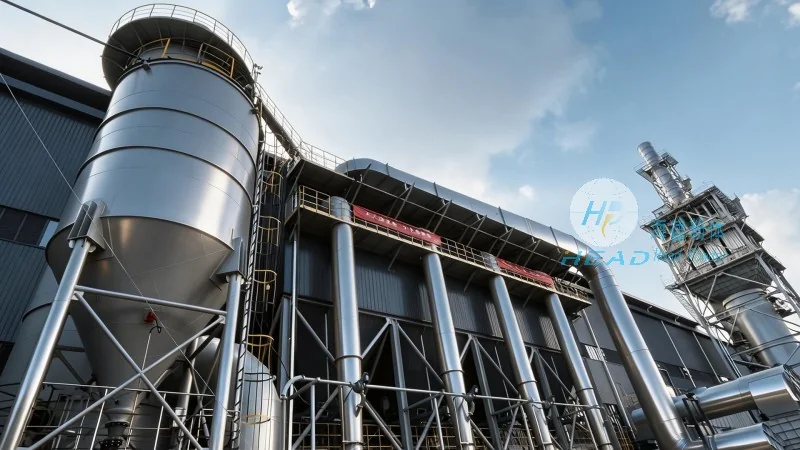
Principle of Pneumatic Conveying Systems for Hay Pellet Materials
Pneumatic conveying systems operate on the principle of using compressed air or other gases to transport bulk materials through a network of pipes. In the case of hay pellet materials, these systems are engineered to handle the specific physical properties of the pellets, such as their size, density, and flowability. The core mechanism involves creating a pressure differential within the system, which draws the material into the conveying line and propels it to the desired destination. There are two primary types of pneumatic conveying systems: pressure and vacuum. Pressure systems use positive pressure to push material through the pipeline, while vacuum systems use negative pressure to pull material from a source. For hay pellets, pressure systems are often preferred due to their ability to handle higher material loads and longer conveying distances without significant pressure loss. The system typically includes components like a hopper for material storage, a feeder to control the flow rate, a compressor to generate the necessary air pressure, and a pipeline network that connects the source to the discharge point. The design of the system is critical to ensure efficient material transport, as factors such as pipe diameter, length, and bends can impact the overall performance and energy consumption.
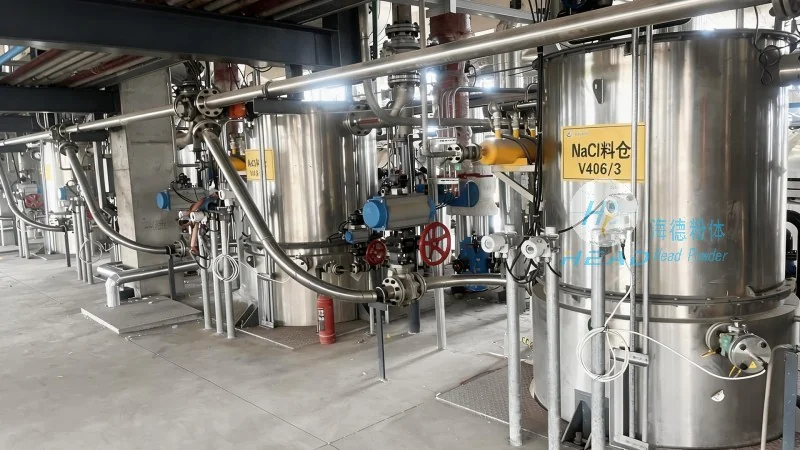
Working Scene Characteristics of Pneumatic Conveying Systems
The application of pneumatic conveying systems for hay pellet materials is characterized by several distinct working scene features that optimize material handling in agricultural and feed processing facilities. One key characteristic is the ability to handle large volumes of material with minimal labor intervention. In agricultural settings, where hay pellets are produced in bulk for livestock feed, these systems enable seamless transfer from storage silos or processing units to feeding stations or packaging areas. The systems are designed to integrate with existing infrastructure, such as silos and conveyor belts, allowing for a streamlined workflow that reduces downtime and improves operational efficiency. Another important characteristic is the system's adaptability to different environmental conditions. Hay pellet processing often occurs in outdoor or semi-outdoor environments, where exposure to weather elements can affect material handling. Pneumatic conveying systems are constructed with durable materials, such as stainless steel or corrosion-resistant alloys, to withstand moisture, dust, and temperature fluctuations. This ensures consistent performance even in challenging working conditions. Additionally, the systems are designed to minimize material degradation during transport. Hay pellets are sensitive to moisture and compaction, which can reduce their nutritional value and quality. Pneumatic conveying systems use low-velocity air flow and gentle material handling, reducing the risk of breakage or clumping. This is particularly important in feed processing applications where maintaining the integrity of the pellets is crucial for animal health and feed quality. The working scenes also highlight the systems' ability to handle varying material characteristics. Hay pellets can vary in size, density, and moisture content depending on the source and processing method. Pneumatic conveying systems are engineered with adjustable components, such as variable speed feeders and air flow controls, to accommodate these variations. This flexibility ensures that the system can maintain optimal performance regardless of the material's properties, making it suitable for diverse agricultural operations.
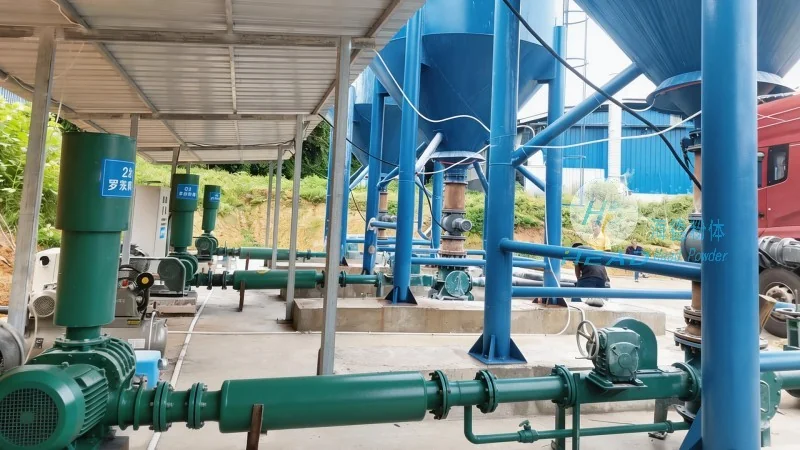
Advantages of Pneumatic Conveying Systems in Handling Hay Pellets
Implementing pneumatic conveying systems for hay pellet materials offers numerous advantages that enhance operational efficiency and product quality. One of the primary benefits is the significant reduction in labor costs and manual handling. Traditional methods of transporting hay pellets, such as manual loading or bucket elevators, require extensive human effort and increase the risk of workplace injuries. Pneumatic systems automate the material transport process, reducing the need for manual labor and improving workplace safety. This not only lowers operational expenses but also enhances the overall productivity of the facility. Another advantage is the improved hygiene and sanitation in feed processing environments. Hay pellets are used as animal feed, and maintaining high standards of cleanliness is essential to prevent contamination and ensure product safety. Pneumatic conveying systems operate in closed pipelines, which prevents dust and material from coming into contact with the environment. This reduces the risk of cross-contamination and simplifies cleaning procedures, as the system can be easily disassembled and sanitized. The closed system also minimizes the exposure of workers to dust and allergens, contributing to a healthier working environment. Furthermore, pneumatic conveying systems offer greater flexibility in material routing. Unlike traditional conveyor belts that require fixed routes, pneumatic systems can be reconfigured to direct material to different destinations as needed. This flexibility is particularly valuable in dynamic agricultural operations where production schedules or storage needs may change. For example, a system can be adjusted to transport hay pellets from a processing unit to a storage silo or directly to a feeding station, depending on the current operational requirements. The ability to reconfigure the system without major modifications makes it a versatile solution for various working scenarios. Energy efficiency is another key advantage of pneumatic conveying systems. While the initial investment in a system may be higher than traditional methods, the long-term energy savings are substantial. Modern pneumatic systems use energy-efficient compressors and optimized pipe designs to minimize power consumption. The use of variable speed drives in feeders and air flow controls allows for precise adjustment of energy usage based on the material load and conveying distance. This results in lower operational costs and reduced environmental impact, as less energy is consumed during material transport. The systems also contribute to reduced material waste by minimizing breakage and spillage during transport. Hay pellets are valuable agricultural products, and minimizing waste is crucial for cost-effectiveness and sustainability. Pneumatic conveying systems use gentle material handling and controlled air flow to reduce the risk of breakage and spillage. This ensures that the material reaches its destination with minimal loss, maximizing the value of the product. In summary, pneumatic conveying systems provide a reliable and efficient solution for handling hay pellet materials in various working environments. The combination of automated operation, improved hygiene, and energy efficiency makes these systems an ideal choice for agricultural and feed processing facilities. By leveraging the principles of pneumatic transport and adapting to the specific characteristics of hay pellets, these systems enhance operational productivity while maintaining product quality and safety.